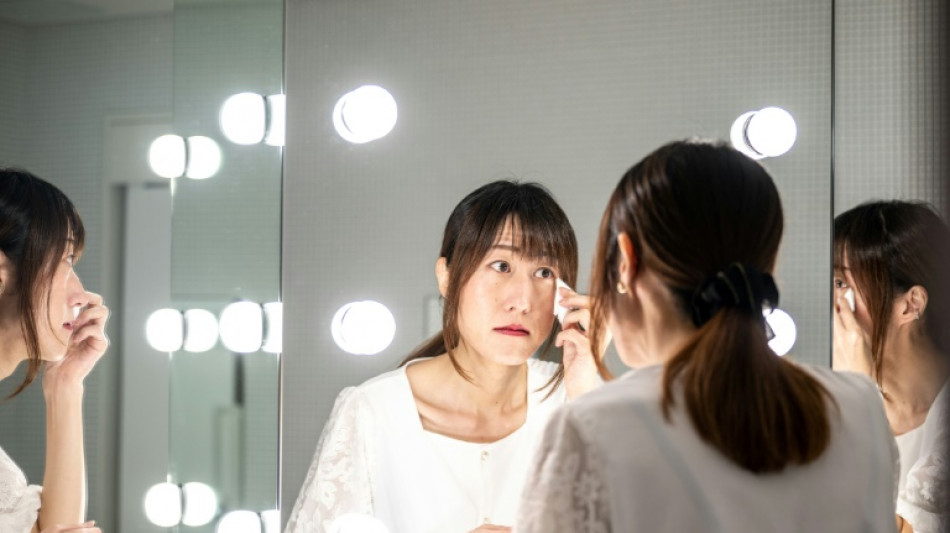
'Deeply hurt': Anti-trans hostility rises in Japan / Photo: Philip FONG - AFP

 Swiss voters expected to shun stricter neutrality
 Rapper-turned-PM faces first big test after Nepal disaster
 Tuchel seeks tonic to England World Cup 'scar' in Spain showdown

 'Helps me cope': Catholic baptisms rise among French youth

 Colombians in Santa Marta stay inside after violence wracks the city

 Iran airlines cancel flights as US sanctions hit
 Meta launches camera-free AI glasses amid privacy pushback

 Australian PM says OpenAI hacked government health website

 Xi arrives in US to personal Trump welcome

 Morocco elects new parliament amid social frustration, youth discontent

 Scheffler and Burns to face Im and Lee in Presidents Cup opener

 Crushing wins for Lyon and Barca in women's Champions League

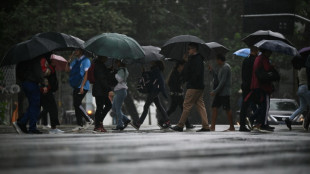 Rio breaks record for rainiest September amid powerful El Nino
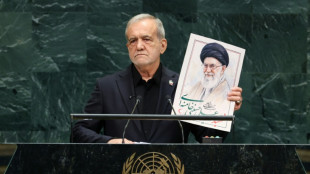
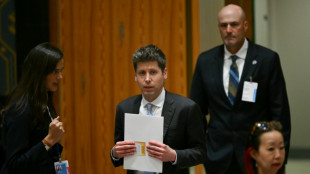 At UN, tech chiefs urge caution in AI development

 Russian strikes kill seven in Ukraine, Zelensky vows winter campaign
 Venezuelan shot by ICE needs urgent medical care, mother tells AFP
 Zelensky says Putin using fighters from 47 countries in Ukraine war

 Klopp calls on Germany to 'rise above ourselves' as new era begins

 Russian strikes kill seven in Ukraine as Russia vows no 'pause' to war

 ArcPoint Expands Globally with Institutional Intelligence Platform for Modern Investors

 Ronaldo focussing on 'present' ahead of Wales test

 Outgoing UN chief makes final climate push at New York summit
 Grief and pain flow at hearing for Canadian suicide poison vendor

 Ireland boss Hallgrimsson says timing of Israel remarks 'not clever'
 Weinstein resentenced to 15 years in prison for 2006 sex assault

A courtroom win and new anti-discrimination law could be seen as signs Japan is warming to the protection of LGBTQ rights. But activists warn of a dark side.
They say recent months have seen a rising tide of hateful online rhetoric, particularly targeting transgender women.
Disinformation "linking transgender women to sexual violence in public spaces" is being "disseminated extremely widely", the Japan Alliance for LGBT Legislation warned earlier this year.
The experience has been painful and even frightening for transgender women such as Minori Tokieda.
"We are portrayed as some kind of sex offenders -- physically male people who would invade women's spaces by claiming they're female," the activist told AFP.
Many in her community are "deeply hurt" and "feeling in denial of our own existence -- it's a serious situation", she added.
The thorny question of how to balance transgender rights with the protection of female spaces has already divided opinion in countries including Britain and the United States.
It has arrived only more recently in Japan, fuelled in part by contentious debate around anti-discrimination legislation that passed this year.
The law proposed to enshrine the concept of self-identified gender and "promote understanding" toward sexual minorities.
But opponents denounced it as an open invitation for men masquerading as women to infiltrate spaces such as women's toilets.
And in a nation famed for its public bathing culture, rumours swirled that it might allow men to soak naked with women by simply declaring themselves female.
- 'Wannabe woman' -
"If I were a pervert, I would roam around (in a locker room) exposing my penis -- I'd be forgiven because I'm a 'woman at heart', right?" read one representative post on Twitter.
The controversy was only heightened by a Supreme Court ruling last week in favour of a transgender bureaucrat whose access to female toilets at work was restricted.
The online backlash was swift, with opponents using terms like "jisho josei" (wannabe women).
Japan has a mixed record on the rights of sexual minorities.
While outright violence is unusual and no law bars same-sex relationships, it is the only G7 country that does not recognise same-sex marriage or civil unions at a national level.
Transgender people can only change their gender on legal documents if they appeal to a family court and meet criteria including gender confirmation surgery and having no reproductive capacity -- generally requiring sterilisation.
The recent wave of anti-transgender rhetoric is essentially a spillover from similar movements overseas, experts say.
Images depicting transgender women as overly "masculine" -- with sturdy physiques and muscles -- are widely distributed to cement the view they look "indistinguishable" from men, said Aki Nomiya, a gender studies scholar at Kanagawa University.
"This way, campaigners can argue that allowing transgender women (into women's spaces) will make it easier for men to blend in, including those with criminal proclivities," said Nomiya, who herself is transgender.
The backlash is not simply rhetorical: it was a factor in the eventual watering down of the anti-discrimination legislation, which now says the law is contingent on "the safety of all citizens being ensured".
Authorities have also insisted access to public bathhouses will remain dictated by "physical characteristics".
- 'Lack of understanding' -
Still, controversy has continued to swell over everything from "genderless toilets" in Tokyo and a women's university deciding to admit transgender students.
Among the loudest voices pushing back against transgender women's access to female spaces is the group "Save Women's Space".
Co-head Minori Moriya insists her group is not targeting transgender women, but argues giving them access to female spaces will "open the floodgates" to male sexual offenders.
"Women have no way of telling who among those allowed inside have criminal intentions," the retiree told AFP.
She fears the Supreme Court could soon overturn requirements that transgender people undergo surgery before changing their gender on official documents.
"Those who retain male genitalia" should not be allowed in women's restrooms, she said, "to protect women".
"That's the line we cannot compromise over."
Transgender people in Japan point out they have long discreetly used restrooms matching their gender identity, without incident.
Online depictions of transgender women aggressively demanding access to women's spaces is divorced from reality, they add.
Tokieda argues transgender women are being scapegoated for crimes committed by men.
"Sexual violence and camera voyeurism... should be penalised and cracked down on, but somehow transgender people are getting the blame," she said.
The "vitriol and hate speech on social media are coming from an overwhelming lack of understanding towards transgender people".
A.S.Diogo--PC