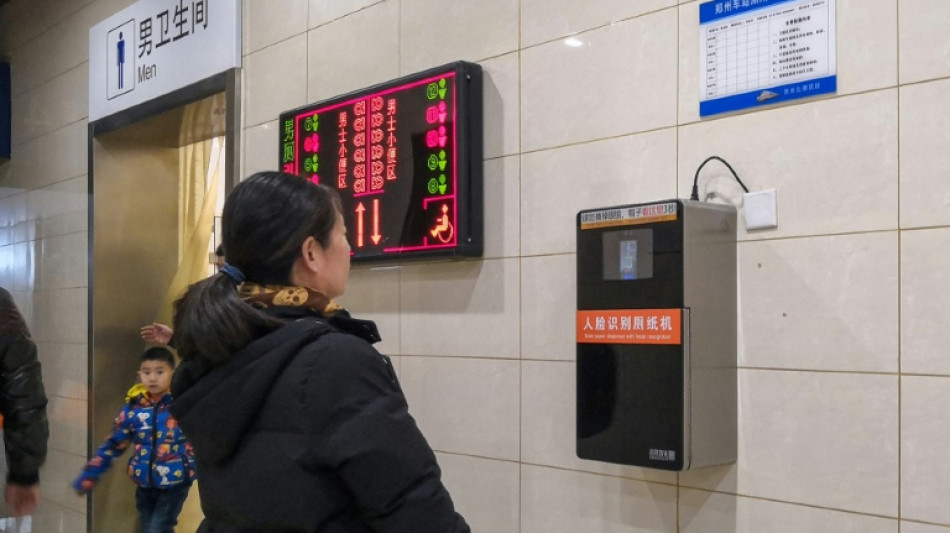
China drafts rules for using facial recognition data / Photo: STR - AFP/File

 Thailand slams chaotic Asian Games organisation as 'musical chairs'

 North Korea to keep nuclear weapons 'forever': foreign minister

 Markets mixed as China's Xi arrives for US talks
 Swiss voters expected to shun stricter neutrality
 Rapper-turned-PM faces first big test after Nepal disaster

 Tuchel seeks tonic to England World Cup 'scar' in Spain showdown

 'Helps me cope': Catholic baptisms rise among French youth

 Colombians in Santa Marta stay inside after violence wracks the city

 Iran airlines cancel flights as US sanctions hit
 Meta launches camera-free AI glasses amid privacy pushback

 Australian PM says OpenAI hacked government health website

 Xi arrives in US to personal Trump welcome

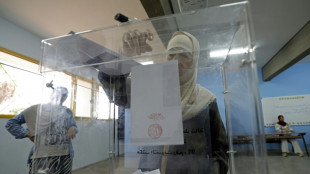 Morocco elects new parliament amid social frustration, youth discontent

 Scheffler and Burns to face Im and Lee in Presidents Cup opener

 Crushing wins for Lyon and Barca in women's Champions League

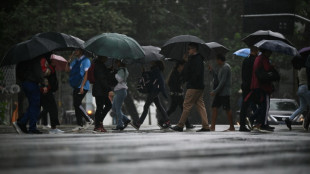 Rio breaks record for rainiest September amid powerful El Nino

 At UN, tech chiefs urge caution in AI development

 Russian strikes kill seven in Ukraine, Zelensky vows winter campaign

 Venezuelan shot by ICE needs urgent medical care, mother tells AFP

 Zelensky says Putin using fighters from 47 countries in Ukraine war

 Klopp calls on Germany to 'rise above ourselves' as new era begins

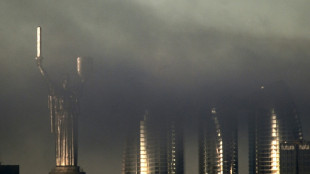 Russian strikes kill seven in Ukraine as Russia vows no 'pause' to war

 ArcPoint Expands Globally with Institutional Intelligence Platform for Modern Investors

 Ronaldo focussing on 'present' ahead of Wales test

 Outgoing UN chief makes final climate push at New York summit

Firms using facial recognition in China will be required to obtain consent or legal permission before collecting personal information, draft regulations released Tuesday said, while stipulating the rules would not apply to some bodies.
China is one of the most surveilled societies on Earth, with thousands of CCTV cameras scattered across cities and facial recognition technology widely used in everything from day-to-day law enforcement to political repression.
Draft regulations released by China's Cyberspace Administration warned that use of the technology must "abide by laws and regulations, comply with public order, respect social morality, assume social responsibility, and fulfil duties to protect personal information."
Use of the technology to "analyse... ethnicity or religion" is prohibited, and the processing of facial data can only be carried out with the individual's consent or written legal permission, the law said.
It must also not be used to "endanger national security, harm public interests", or "disrupt social order", the regulations said.
Such technology may be used "only when there is a specific purpose and sufficient necessity, and when strict protection measures are taken", reads one article of the regulation.
But, it stipulated, the rules would not apply to those "not required by laws and administrative regulations to obtain personal consent". It did not specify what those were.
The regulations will enter effect on September 7 following a public consultation period.
A number of top Chinese facial recognition and surveillance firms have faced sanctions by the United States for their alleged role in repression.
State-owned surveillance giant Hikvision was blacklisted in the United States for allegedly helping Beijing carry out a "campaign of repression".
And Hong Kong-listed SenseTime was placed on a similar blacklist in 2019 over the use of its technology in mass surveillance in the western region of Xinjiang.
At an industry expo in Beijing in June, AFP saw a number of prominent firms showcasing tech that allowed them to identify "undesirable" behaviours and scan faces from more than 100 metres (yards) away.
F.Ferraz--PC