Medicanes: rare, 'supercharging' Mediterranean storms / Photo: - - Al-Masar TV/AFP

 Fury to face British rival Joshua in Cardiff on December 11
 Streamex Converts Interest Into Capital as GLDY Investment Strategy Secures $1M+ Institutional Allocation

 STARTRADER Named Best Fintech Forex Broker at Forex Expo Dubai 2026
 Japan swimmer Ohashi, 17, shrugs off Covid to smash world record
 Shin Ohashi: Junk food-loving teen and new world record-holder

 Greek PM urges 'courage' in talks with UK over Parthenon Marbles
 'I was drowning': Iran Nobel winner exposes pain of separation from children

 Israel's US envoy says son fighting for life
 Olympic champion Yulo completes gymnastics gold collection at Asian Games
 England cannot imitate Spain's success, says Gordon
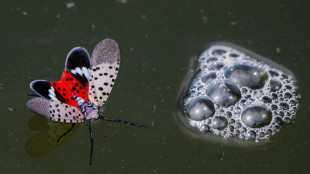 Hungary detects invasive spotted lanternfly for first time in EU

 Ο Alex Bodi και ο καθηγητής Δρ. Stefan Haupt συμφωνούν σε συνεργασία για μια θρυλική συλλογή έργων τέχνης στη Ρουμανία
 France's top-selling newspaper to slash jobs
 Tigray rebels in 'full-blown' war with govt

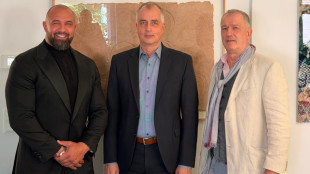 Alex Bodi och prof. dr Stefan Haupt ingår samarbetsavtal om en legendarisk konstsamling i Rumänien
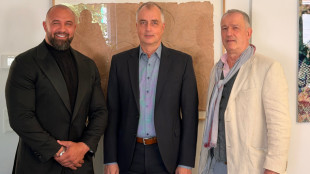
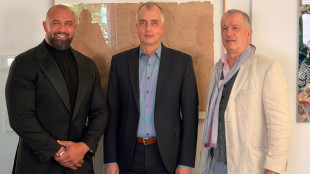 อเล็กซ์ โบดี และศาสตราจารย์ ดร. สเตฟาน ฮาปท์ ตกลงร่วมมือกันในการจัดตั้งคอลเลกชันศิลปะอันเป็นตำนานในโรมาเนีย
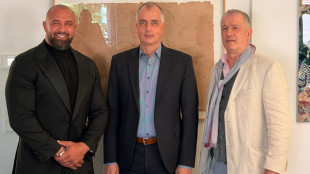
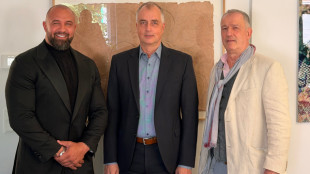 Alex Bodi a prof. dr. Stefan Haupt se dohodli na spolupráci na legendární umělecké sbírce v Rumunsku
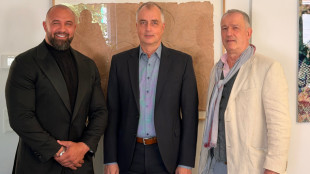
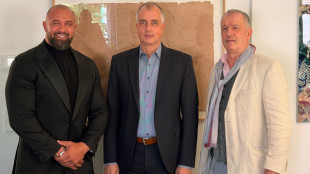 알렉스 보디와 슈테판 하우프트 교수, 루마니아의 전설적인 미술품 컬렉션을 위한 협력 합의
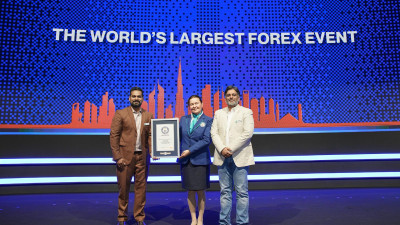
 BaazEX Enters the Asian Trading Market With a New Approach to Online Forex Trading.
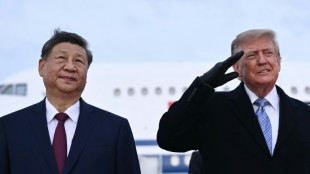
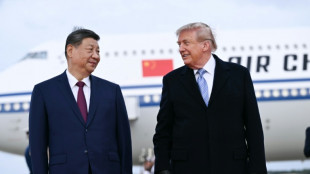 Asian markets fall on US-China jitters as leaders meet
 Thais hail teen rocker Nene for 'America's Got Talent' win
 Zverev, Agassi defend 'spectacular' Laver Cup
 Eel-powered Japan whizz-kid, 11, dominates in historic Games debut
 Madagascar's Gen Z 'betrayed' after ushering in new rule
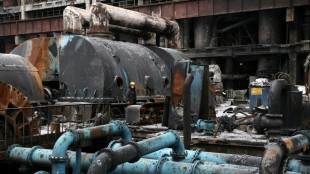 As Moscow steps up attacks, Kyiv residents brace for harsh winter
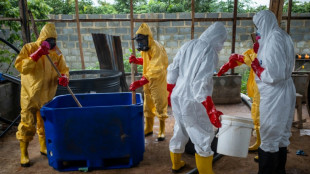
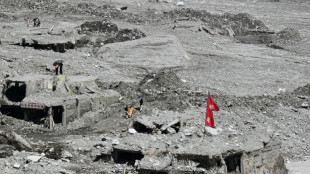
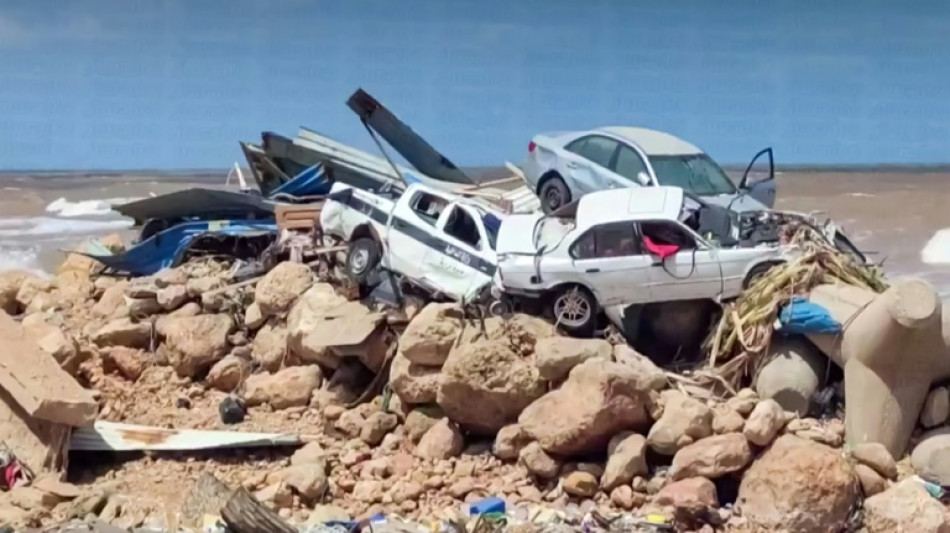
The flash flood that has killed thousands of people in Libya this week followed a "medicane", a rare but destructive weather phenomenon that scientists believe will intensify in a warming world.
The term is an amalgamation of the words Mediterranean and hurricane. Used by scientists and weather forecasters, it is less well known to the wider public.
Medicanes, which tend to form over parts of the Mediterranean Sea near the North African coast, are similar to hurricanes and typhoons although they can develop over cooler waters.
They can also bear a physical resemblance on satellite imagery as a swirling mass of storm clouds surrounding an eye in the middle.
Fierce winds and rain are unleashed, with Storm Daniel dumping approximately 170 millimetres of rain in Libya.
And this is intensifying with global warming, scientists say.
"We are confident that climate change is supercharging the rainfall associated with such storms," said University of Reading professor Liz Stephens.
The Mediterranean cyclones are usually smaller and weaker than their tropical equivalents and have a smaller space in which to develop.
Their peak strength is usually the equivalent of a Category 1 hurricane on the Saffir-Simpson scale, encompassing speeds of 119-153 kilometres (74-95 miles) per hour.
Medicanes tend to form in the autumn when the sea is warm, usually in the western Mediterranean and the region between the Ionian Sea and the North African coast, explained Suzanne Gray, a professor at the University of Reading's meteorology department.
A layer of colder air from higher altitudes forms convections with warmer air rising from the sea that converge around a centre of low pressure.
- Rare but deadly -
Medicanes form once or twice per year on average, according to the US National Oceanic and Atmospheric Administration.
While hurricanes move from east to west, medicanes tend to go from west to east.
Before striking Libya, Daniel pummelled Bulgaria, Greece and Turkey last week.
Three medicanes occurred off Greece between 2016 and 2018, while in 2019 Spanish weather services identified one between the Balearic Islands and the Algerian coast.
A medicane packing winds of up to 120 kilometres per hour, dubbed Ianos, lashed Greece in September 2020, killing three people in the city of Karditsa and triggering floods, landslides and power cuts.
The Italian island of Sicily was also struck in 2021.
- Rainfall turbocharged -
In 2020, French weather monitor Meteo-France said it was difficult to work out climate signals from medicanes due to their rarity.
While scientists are increasingly able to unpick the likely effect of climate change on the probability of an extreme weather event happening and its intensity, no such attribution study has yet been carried out on Daniel.
In general, experts say the warming of sea surface temperatures, driven by human-induced climate change, is going to make extreme storms more intense.
Oceans have absorbed 90 percent of the excess heat produced by human activity since the dawn of the industrial age, according to scientists.
Spanish researchers said the Mediterranean reached its highest temperature on record in July as Europe baked under a series of heatwaves.
The surface waters of the eastern Mediterranean and Atlantic are two to three degrees Celsius warmer than usual, which would have turbocharged Daniel.
"The fact that Daniel could form into a medicane... is likely a result of warmer sea surface temperatures and hence man-made climate change," added climate scientist Karsten Haustein of Leipzig University in Germany.
Ferreira--PC