Colombian school, a grim reminder of atrocities of rubber fever / Photo: Daniel MUNOZ - AFP

 Japan organisers 'not satisfied' as empty seats blight Asian Games
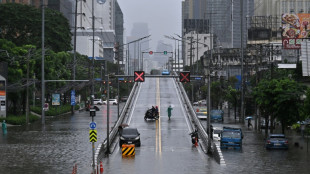
 Canals full, roads submerged as Bangkok declares flood disaster
 China, US to open AI 'communication channel' after summit

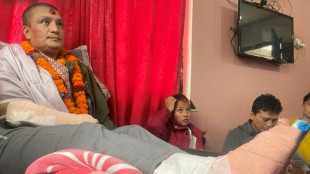 Nepal tunnel survivor wants to help post-flood rebuild
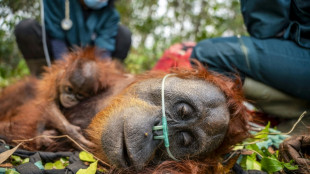
 New China sprint star, 17, vows 'no limits' after Asian Games gold
 Japanese 11-year-old wins Asian Games eSports gold

 TikTok agrees to teen limits in US settlement following Meta

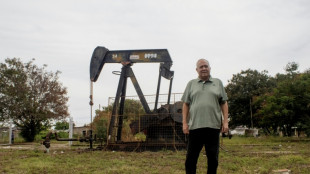 Venezuela's oil cradle pins hopes on US energy deals
 US, China buy time with trade truce as pressure builds

 'Leo, Leo': Young Catholics give pope rockstar welcome in France

 Lula bans sports betting days ahead of Brazil's election

 Guatemala ensures survival of vulnerable 'fossil' fish
 Mancini finds positives in Italy loss, accepts fans' jeers

 Alcaraz helps Europe into Laver Cup lead

 Six missing after building collapses in historic Athens district

 Mbappe scores but suffers knee injury as Zidane gets debut France win

 Mancini's Italy return spoiled by Belgium defeat

 Rodri confident in Man City innocence despite reported charges

 Jay-Z rape accuser says she made 'false accusations'
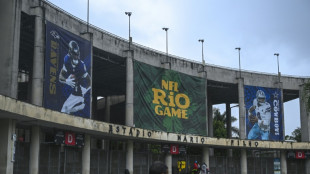
 Senegal draw first match under Vieira and Nigeria survive scare
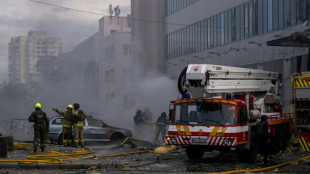
 Trump, Xi end summit long on pomp, but short on progress

 Russia not preparing for conflict with Europe, Putin says

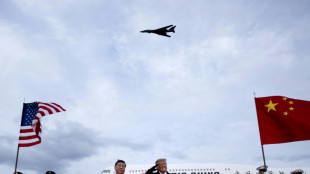 Trump's photo of Xi greeting carries signs of AI

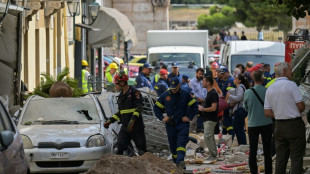 Six missing after building blast in historic Athens district

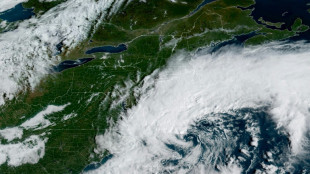 Millions in US northeast brace for powerful storm

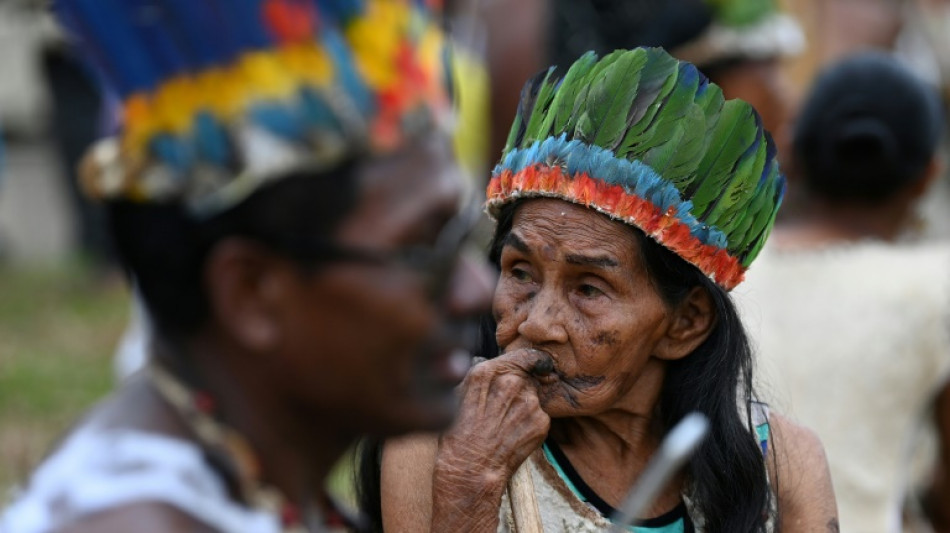
A modest wooden school in the middle of the Colombian Amazon preserves the memory of atrocities perpetrated against Indigenous people by rubber industrialists more than a century ago.
It used to be a house, Casa Arana, where enslaved local people were tortured and murdered at the height of the rubber fever of the late 19th and early 20th centuries.
"Casa Arana is painful for us, it makes us sad to see the dungeons... where our grandparents died," 73-year-old Luzmila Riecoche of the Huitoto tribe, descended of a rare survivor, told AFP.
In remote La Chorrera in Colombia's south, the school walls sport murals painted by local artists of Indigenous people in chains, led around by men with guns.
AFP accompanied a recent government mission by plane to La Chorrera where officials apologized, not for the first time, for what they described as a "genocide" of the Huitoto, Bora, Muinane and Ocaina peoples.
They died in conditions of forced labor, torture, famine and pestilence in precarious slave quarters.
The plight of the local peoples, whose land was restored to them by the government in 1988, was immortalized in the award-winning film "The Embrace of the Serpent" by Colombian director Ciro Guerra.
But "the country has not internalized that here the Colombian, Peruvian and British rubber companies murdered about 40, 50, 60 thousand Indigenous people," Culture Minister Juan David Correa told AFP on the trip.
"The Amazon rainforests are filled with corpses, filled with the remnants of an unjust relationship the colonial world had with the rubber extraction industry," he added.
Locals received Correa with traditional dance and song on the banks of the Igara Parana river in the Putumayo region, a two-week boat ride from the nearest city, Leticia.
- 'Devil's Paradise' -
Now a public school with a football pitch and basketball court, Casa Arana was once owned by Peruvian businessman and politician Julio Cesar Arana.
He ran a rubber empire in South America through the Peruvian Amazon Company -- financed with British capital to serve the high demand for tires in the United Kingdom and United States.
Walter Hardenburg, an American engineer who worked in railroad construction at the time, described in his book "The Putumayo, the Devil's Paradise" how Indigenous people were forced to work around the clock and flogged until "their bones were exposed."
They were castrated, mutilated, raped and tortured. Those who died were left out to rot, or fed to dogs, he documented.
By the time the colonists left, "there were five old men" left of the Bora tribe on the Colombian side, and a few others who had fled to Peru, 78-year-old Benito Teteye told AFP, his face painted with traditional motifs.
Entire families or clans ceased to exist.
"All our ancestors were taken away," Teteye told AFP. "Those of us who remained, it was because my grandfather hid, crossed this river."
The Bora have resurged, and today number about 600 in the area, said Teteye.
But more than a century after the atrocities, the community says it is facing a new threat: violence perpetrated by drug traffickers, illegal ranchers and loggers, and guerrillas operating in the jungle.
The United Nations said in March that 71 Indigenous groups, several of them Amazonian, are at risk of physical or cultural extinction in Colombia.
At least 310,000 have been injured, killed or displaced in the country's six-decade-old armed conflict.
"We still have very complex problems in this jungle," conceded Correa.
A.Motta--PC