
-
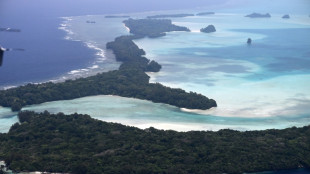 UN approves resolution on dealing with rising sea levels
-
Klopp denied on Germany debut as Portugal win in Nations League

-
 Yalcouye makes dream debut as Ivory Coast beat Ghana in AFCON qualifier
-
Rich nations should foot climate bill, says Nepal minister

-
 Chicago's White Sox and Cubs book MLB playoff berths
-
Wellalage and Mendis star as Sri Lanka level England series in thriller

-
 Last-gasp Gakpo strike snatches Dutch draw to sour Klopp debut
-
Felix gives Portugal win over Wales as Ronaldo misfires

-
 Global stocks mostly fall as oil prices and bond yields rise
-
Wellalage and Mendis star as Sri Lanka level England ODI series

-
 Israel's Netanyahu denounces enemies, allies in fiery UN speech
-
Guyana urges Venezuela at UN to respect ICJ's ruling on Essequibo region
-
 Hollywood stars among arrests in NY anti-Netanyahu protest
-
Argentina coach says Messi deserves to go out on own terms

-
 Losing start in AFCON qualifying for 78-year-old coach Le Roy
-
Xi sets red lines for Trump despite lavish White House welcome

-
 Italy bans burqas in schools, caps numbers of foreign students per class
-
Cowboys, Ravens happy with footing for first Rio NFL clash

-
 Israel policies threaten 'life and existence' of Palestinians, Abbas says
-
Starbucks to close 250 more cafes in North America

-
 Paolini steers Italy past China in BJK
-
French actress Marina Vlady dies at 88
-
 Zidane admits emotion on eve of first game as France coach
-
CNN, MS NOW, Politico allowed back in White House after judge's order

-
 Breetzke and Maharaj sink Australia in first one-day international
-
Morocco's ruling coalition dominates low-turnout parliament election

-
 Zelensky broke confidentiality with North Korea POWs disclosure: South's president
-
Napoli hoping to build new stadium, says owner

-
 Former Liverpool star Carroll reveals he was sexually assaulted
-
What's behind the Pakistani strikes on Afghanistan?
-
 Dominican Republic calls for Haiti force to be strengthened
-
Hundreds protest for return of Nobel peace laureate Machado to Venezuela
-
 Dolly Parton's nephew ordered to stay away from estate staff, properties
-
Aubameyang to miss two months for Deportivo after knee surgery

-
 Early exit for Philippine darling Eala at Singapore Open
-
Newsom says Trump presidency 'as we know it' ends in November

-
 Hurricane Polo triggers huge waves in coastal Mexican city
-
Stocks fall as oil prices rise and bonds back under pressure

-
 What happens if the US bans diesel exports
-
Russell leads Mercedes 1-2 in Azerbaijan GP practice

-
 Macklemore hits back with 'Free Palestine Tour' after Sheeran split
-
Ukrainian kills priest, wounds four at Polish abbey
-
 Met Opera to give New Yorkers free tickets in affordability push
-
Sri Lanka captain Mendis hits century in 321-6 against England

-
 Top ECB official to resign to take up IMF role
-
Oscar-winner Cotillard fears being moved by AI actor

-
 Xi and Trump call for peace in lavish White House state visit
-
Agassi demands proper break for exhausted tennis stars

-
 Five up-and-coming players looking to make mark in Nations League
-
Seixas 'crushes' teammates in training to draw Pogacar comparisons

Why have Spain floods killed so many?
Powerful storms turbo-charged by a warming planet, poor urban planning and carelessness combined with catastrophic consequences in Spain's deadliest floods in a generation, experts told AFP.
Authorities in the European country have announced a provisional toll of 158 dead and the figure is feared to rise as rescuers search for bodies under the rubble and mud.
- Exceptionally violent weather -
Torrential rains drenched areas of the eastern Valencia region with a year's worth of precipitation in a matter of hours, according to national weather service AEMET.
In Chiva, west of the coastal city of Valencia, it recorded 491 litres of rain per square metre (49.1 centimetres).
The deluge was linked to a storm phenomenon common for the season where cold air travels over the Mediterranean Sea's warm waters and forms intense rain clouds.
Scientists say human-driven climate change is increasing the temperatures of the world's waters and increasing the ferocity of storms.
The warmer Mediterranean and time of year acted as fuel for the torrential rains in a "dramatic" cocktail attributable to climate change, said Jorge Olcina, a climate expert at Alicante University.
When storms reach such levels, they can have an effect similar to "hurricanes" or "tropical cyclones", he added in an audio message to AFP.
- Dry and artificial soils -
The parched soil in the hardest-hit areas compounded the problem after Spain endured two consecutive years of intense droughts.
The ground could not absorb such a quantity of water, giving rise to flash flooding that raged through settlements.
The Valencia region is also covered with many areas where natural spaces have made way for impermeable concrete.
This urban development is "uncontrolled and ill-adapted to the natural characteristics of the territory", amplifying the danger of powerful storms, said Pablo Aznar of the Socioeconomic Observatory of Floods and Droughts.
The population density of the Valencia region, which hosts Spain's third-largest city of the same name with a population of almost 1.9 million inhabitants, also contributed.
Population density "was a very important factor" and posed a "challenge" to the authorities, said Aznar.
- Rush hour on the roads -
The timing of the storm could not have been worse as it picked up late on Tuesday when motorists were hitting the roads during the evening rush hour.
Many victims were caught by surprise in their vehicles as they returned home or on the street, with the raging waters plucking some clinging to lampposts or trees.
Such scenes could have been avoided had citizens been warned on time to allow them to shelter at home, according to Hannah Cloke, a hydrology professor at Britain's University of Reading.
- Lack of care -
AEMET had issued a red warning for the Valencia region on Tuesday morning, but the civil protection service only sent its telephone alerts advising people not to leave home after 8:00 pm (1900 GMT).
But some people admitted they left home even after receiving the alert, suggesting a poor comprehension of the emergency.
Although there were "communication failures", the responsibility is shared because Spain lacks a "culture of risk", Aznar told AFP.
"Our collective mentality is still not sufficiently adapted to new extreme weather phenomena."
Olcina agreed. "We have to vastly improve risk education in schools, but also in the whole population, so they know how to act in the event of an immediate risk."
X.Brito--PC