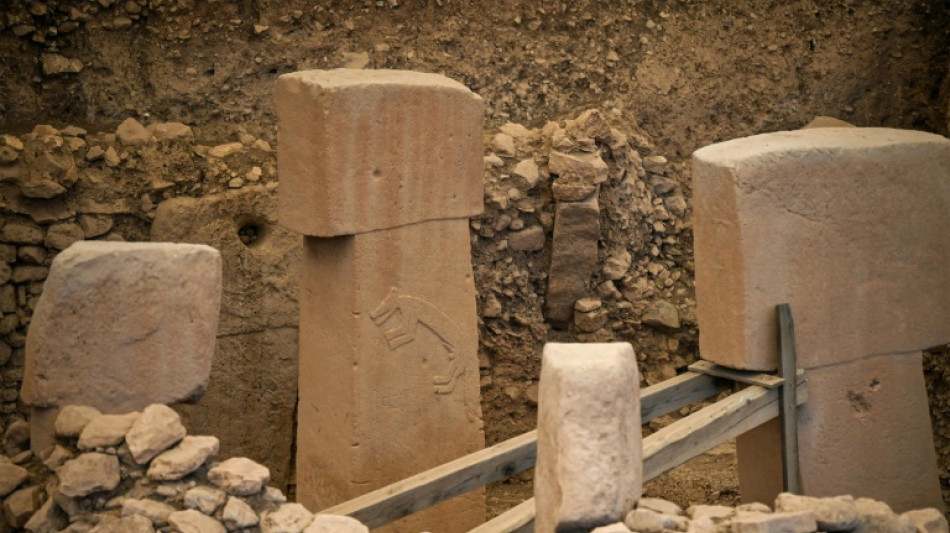
Turkish hilltop where civilisation began / Photo: Ozan KOSE - AFP

 Hovland and Gerard share lead at Tour Championship

 Maresca salutes 'unbelievable' Cherki after Man City star sinks Palace
 Marquinhos rescues last-gasp draw for PSG at Lille in Ligue 1

 ICE detains British far-right activist Milo Yiannopoulos in Louisiana

 Milo Yiannopoulos held by ICE after missing immigration hearing

 Six Flags closes X2 rollercoaster after reports of severe brain injuries
 Jury ends second day without verdict in Lindsay Clancy murder trial

 Artist says criticised Ronnie O'Sullivan mural is unfinished
 UAE grants Starlink 10-year satellite broadband licence

 US says Hormuz mines cleared as diplomacy and military deployments continue

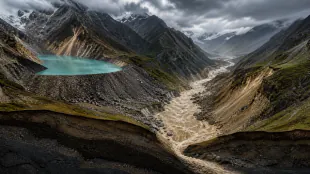 Nepal-Tibet flood toll reaches 584 as more than 2,400 remain missing

 Cherki makes his point to Maresca as Man City sparkle in Palace rout
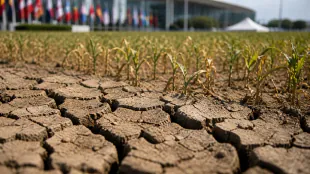 COP17 soil assessment links worsening land degradation to food and nutrition risks

 Medical AI paper predicts autonomous systems could outperform doctors in core clinical tasks by 2030

 REI Labor Day sale runs through September 7 with outdoor gear discounts

 Meta tests robots for cabling, server resets and maintenance inside data centers

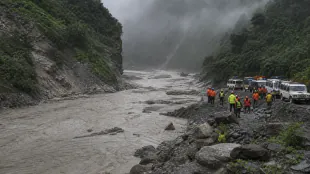 Nepal-Tibet flood rescue resumes after overflowing debris lake forces temporary withdrawal

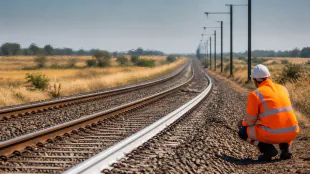 Extreme heat exposes vulnerabilities across Britain's rail network
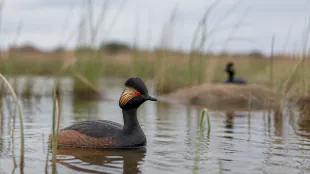
 Dollar rallies after Fed chief lifts rate expectations

 Slumping Sabalenka 'confident' ahead of US Open three-peat bid

 Aston Villa seal swoop for Chelsea striker Jackson

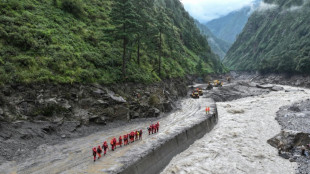 Number of missing in deadly Nepal, China floods jumps past 2,400

 Birmingham City Seek First Championship Win Against Wrexham

 Four-wicket Robinson stars as Pakistan collapse in second Test

 Alcaraz anxious after layoff but feels 'great' about wrist

On a sun-blasted hillside in southeast Turkey, the world's oldest known religious sanctuary is slowly giving up its secrets.
"When we open a new trench, we never know what to expect," said Lee Clare of the German Archaeology Institute, who has been excavating there since 2013.
"It is always a big surprise."
Gobekli Tepe, which means "Potbelly Hill" in Turkish, is arguably the most important archaeological site on Earth.
Thousands of our prehistoric ancestors gathered around its highly-decorated T-shaped megalith pillars to worship more 7,000 years before Stonehenge or the earliest Egyptian pyramids.
"Its significance is hard to overstate," Sean Lawrence, assistant professor of history at West Virginia University, told AFP.
Academics believe the history of human settlement began in these hills close to the Syrian border some 12,000 years ago when groups of Stone Age hunter gatherers came together to construct these sites.
Gobekli Tepe -- which some experts believe was never actually inhabited -- may be part of a vast sacred landscape that encompasses other nearby hilltop sites that archaeologists believe may be even older.
- Endless mystery -
None of which anyone would have guessed before the German archeologist and pre-historian Klaus Schmidt began to bring the first discoveries to the surface in 1995.
German and Turkish archaeologists have been labouring in the sun there since, with lengthening queues of tourists now joining them to ponder its many mysteries.
When exactly it all began is even unclear.
"Exact years are nearly impossible to verify," Lawrence said.
"However, the oldest Egyptian monument, the Pyramid of Djoser at Saqqara, was built around 2700 BCE," more than seven millennia after Gobekli Tepe.
"This was the end of what is often thought of as Stone Age hunter gatherer societies and the beginning of settled societies," Lawrence added.
"There remain endless mysteries surrounding the site, including how labour was organised and how the sites were used," he said.
Gobekli Tepe has even inspired the Netflix sci-fi psychological thriller series "The Gift", which turns on one of the ancient inscriptions on its pillars.
Schmidt -- who often wore a white traditional turban on the dig -- puzzled over the megaliths carved with the images of foxes, boars, ducks, lizards and a leopard for over two decades until his early death at the age of 61 in 2014.
- 'Zero point in time' -
The site was initially believed to be purely ritual in nature. But according to Clare, there is now "good evidence" for the beginning of settled life with some buildings similar to those of the same age found in northern Syria.
Turkey -- which in the past has not been renowned for making the best of its vast archaeological heritage -- has wholeheartedly embraced the discoveries.
The items excavated from Gobekli Tepe are shown in the impressive archaeological museum in the nearest city, Sanliurfa, which is itself so ancient that Abraham is believed to have been born there.
Indeed its new museum built in 2015 boasts "the most extensive collection of the neolithic era in the world," according to its director Celal Uludag. "All of the portable artifacts from Gobekli Tepe are exhibited here."
"This is a journey to civilisation, (to the) zero point in time," said Aydin Aslan, head of Sanliurfa Culture and Tourism Directorate.
"Gobekli Tepe sheds light on pre-history, that's why it's a common heritage of humanity," he said proudly.
- 'Go deeper' -
Last year Turkey's culture ministry boosted funding for furher excavations in the region as a part of its "Stone Hills" project, including cash for the Karahan Tepe hilltop site -- around 35 kilometres from Gobekli Tepe -- which some suspect is even older.
"We will now go deeper because Gobekli Tepe is not the one and only," Culture Minister Nuri Ersoy said last year.
The extra funding "gives us a fantastic opportunity to compare our results from Gobekli Tepe with new sites in the Sanliurfa region of the same age," Clare said.
Gobekli Tepe has also breathed life back into a poor and long neglected region, which has been further hit by the civil war just across the border. Syrian refugees now make up a quarter of Sanliurfa's population.
Over one million tourists visited Sanliurfa in 2019 and the city expects to reach pre-pandemic levels this year.
"Today Gobekli Tepe has started directly touching the economy of the city," Aslan said, who hopes that its glorious past could be a key part of the city's future.
O.Gaspar--PC