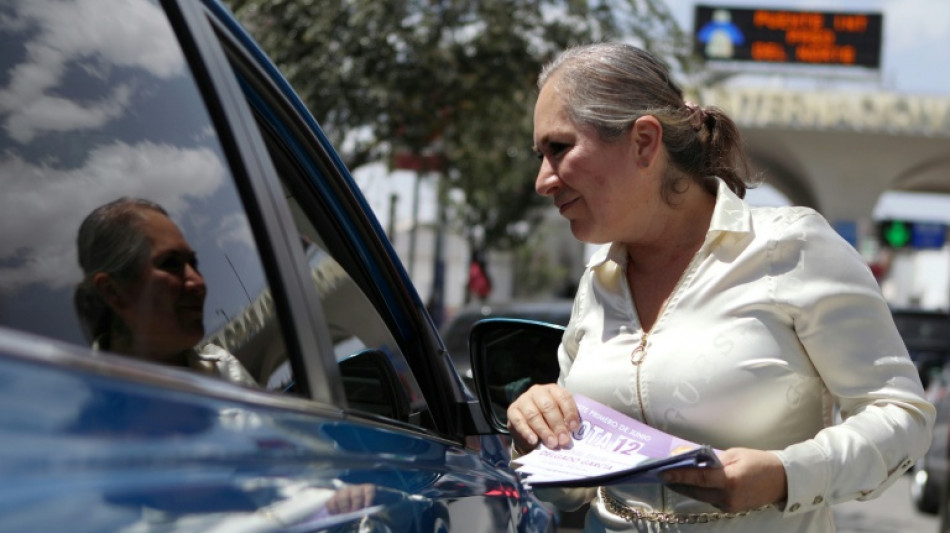
Mexicans elect their judges under shadow of organized crime / Photo: Herika Martinez - AFP/File

 Trump renames AI "super intelligence," rejects international oversight
 Trump rejects international regulation of AI

 How is the EU approaching record fuel prices?

 Sri Lanka's Colombage strikes on debut as England dismissed for 265 in first ODI
 Hurricane Polo strengthens to top category 5 off Mexico

 11 hurt as teen opens fire outside school in western Turkey

 UN chief says 'Big Oil' treats atmosphere as open sewer

 Tunisia says 2026 summer hottest on record

 England's Rashid out of Sri Lanka ODIs with hand injury

 Houthis accuse Saudi Arabia of deadly strikes as thousands flee

 Stocks climb as oil slides, AI buzz returns
 India cricketers win in style as Afghan savours 'special' Games silver

 La Liga president hits out at Real Madrid refereeing 'conspiracy' claims

 MEXC Launches “Real Stocks, Real Friends” with Rewards for Bringing Friends to Wall Street

 Mbappe continues media push for Ballon d'Or recognition

 Stocks rise on AI buzz, oil prices cool

 India narrowly survive huge scare against minnows Japan

 Missing F-35 fighter parts 'not sensitive', says Australia minister
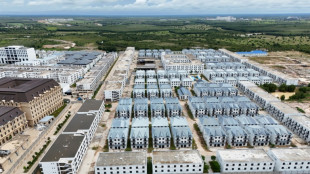 Cambodia showcases scams crackdown with global conference

 Afghan cyclist who disguised herself as man wins Asian Games silver

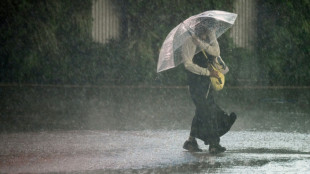 Typhoon Dujuan leaves four dead in Japan, 45,000 houses without power

 G7 leaders condemn Houthi strikes on Saudi Arabia

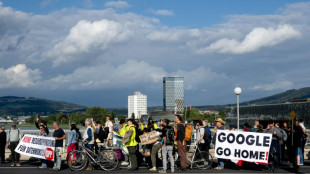 Google data centre sparks protests in Austria

 Shin Ohashi: Junk food-loving teen and Japan's next big swimming hope

 Stocks rise on AI buzz, drop in oil prices

Mexico holds unprecedented elections Sunday allowing voters to choose their judges at all levels, in a country where drug cartels and other vested interests regularly seek to alter the course of justice.
The government says the reform making Mexico the world's only country to select all of its judges and magistrates by popular vote is needed to tackle deep-rooted corruption and impunity.
But there are concerns that the judiciary will be politicized and that it will become easier for criminals to influence the courts with threats and bribery.
While corruption is already an issue, "there is reason to believe that elections may be more easily infiltrated by organized crime than other methods of judicial selection," said Margaret Satterthwaite, the United Nations special rapporteur on the independence of judges and lawyers.
Judicial elections also "entail a risk that the electorate will not choose candidates based on their merit," the independent expert told AFP.
The run-up to the vote has not been accompanied by the kind of violence that often targets politicians in Mexico.
But cartels are likely trying to influence the outcome in the shadows, said Luis Carlos Ugalde, a consultant and former head of Mexico's electoral commission.
"It is logical that organized criminal groups would have approached judges and candidates who are important to them," Ugalde, general director of Integralia Consultores, told a roundtable hosted by the Inter-American Dialogue.
Carlota Ramos, a lawyer in the office of President Claudia Sheinbaum, said that while the risk of organized crime infiltrating state institutions was real, it had already been present and "invisible."
The new system allowed greater scrutiny of aspiring judges, Ramos argued.
- Controversial contenders -
Rights group Defensorxs has identified around 20 candidates it considers "high risk," including Silvia Delgado, a former lawyer for Sinaloa Cartel co-founder Joaquin "El Chapo" Guzman.
"Every person has the right to counsel," Delgado, who is standing to be a judge in the northern state of Chihuahua, told AFP.
Fernando Escamilla, who is seeking to be a judge in the northern state of Nuevo Leon, was a lawyer for Miguel Angel Trevino, a former leader of the Los Zetas cartel, renowned for its brutality.
Another aspiring judge, in Durango state, spent almost six years in prison in the United States for drug crimes.
"I've never sold myself to you as the perfect candidate," Leopoldo Chavez said in a video.
- 'Good reputation' -
On Sunday, voters will choose around 880 federal judges -- including Supreme Court justices -- as well as hundreds of local judges and magistrates. Another election for the remainder will be held in 2027.
Candidates are supposed to have a law degree, experience in legal affairs and what is termed "a good reputation," as well as no criminal record.
Sheinbaum has played down indications many voters may stay away, in part due to the complexity of the exercise.
"We don't even know where the polling stations will be," said Teresa Vargas, 63, who despite being a lawyer admitted she was unsure how to vote or who to choose.
To do a good job, voters "would have to spend hours and hours researching the track record and the profiles of each of the hundreds of candidates," said David Shirk, a professor at the University of San Diego.
He believes that most of the corruption in Mexico's judicial system is in law enforcement agencies and public prosecutor offices.
"It's far easier to bribe a prosecutor and avoid charges overall than to wind up in court and then have to influence the judge," said Shirk, who heads the Justice in Mexico research project.
The judicial reforms were championed by Sheinbaum's predecessor and mentor Andres Manuel Lopez Obrador, who frequently clashed with the courts and accused them of serving the political and economic elite.
The main reason for the elections seems to be "because Lopez Obrador had a grudge against the judges," Shirk said.
V.Fontes--PC