
Burundi votes but with opposition neutered / Photo: Tchandrou NITANGA - AFP

 Trump renames AI "super intelligence," rejects international oversight
 Trump rejects international regulation of AI

 How is the EU approaching record fuel prices?

 Sri Lanka's Colombage strikes on debut as England dismissed for 265 in first ODI
 Hurricane Polo strengthens to top category 5 off Mexico

 11 hurt as teen opens fire outside school in western Turkey

 UN chief says 'Big Oil' treats atmosphere as open sewer

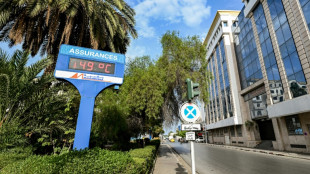 Tunisia says 2026 summer hottest on record
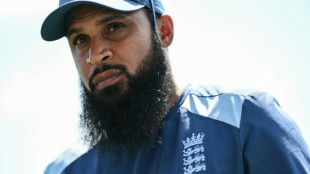 England's Rashid out of Sri Lanka ODIs with hand injury

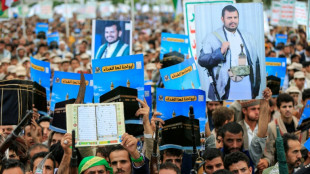 Houthis accuse Saudi Arabia of deadly strikes as thousands flee

 Stocks climb as oil slides, AI buzz returns

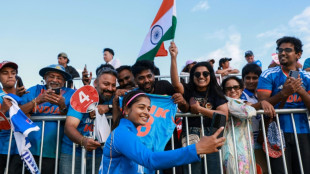 India cricketers win in style as Afghan savours 'special' Games silver
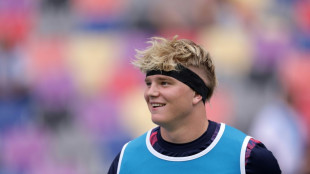
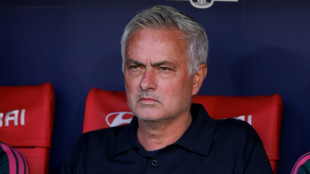 La Liga president hits out at Real Madrid refereeing 'conspiracy' claims

 MEXC Launches “Real Stocks, Real Friends” with Rewards for Bringing Friends to Wall Street

 Mbappe continues media push for Ballon d'Or recognition
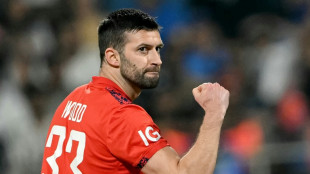
 Stocks rise on AI buzz, oil prices cool
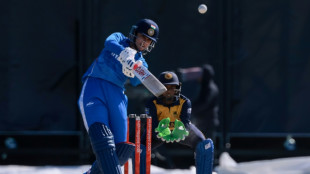
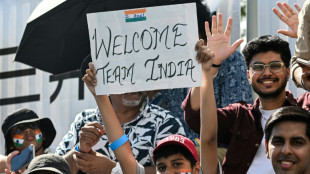 India narrowly survive huge scare against minnows Japan

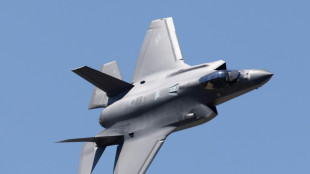 Missing F-35 fighter parts 'not sensitive', says Australia minister
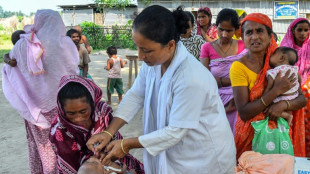
 Cambodia showcases scams crackdown with global conference
 Afghan cyclist who disguised herself as man wins Asian Games silver

 Typhoon Dujuan leaves four dead in Japan, 45,000 houses without power

 G7 leaders condemn Houthi strikes on Saudi Arabia
 Google data centre sparks protests in Austria

 Shin Ohashi: Junk food-loving teen and Japan's next big swimming hope
 Stocks rise on AI buzz, drop in oil prices
Burundi votes for a new parliament on Thursday but with little risk of an upset after the main opposition was effectively barred from running.
The impoverished, landlocked country in east Africa has seen decades of ethnic violence, civil war and authoritarian rule.
The ruling CNDD-FDD party of President Evariste Ndayishimiye is accused of undermining its main opponent, the National Freedom Council (CNL), which came second at the last election in 2020 and claimed it was cheated.
In 2023, the interior ministry suspended the CNL over "irregularities" in the way it organised its meetings.
Then last year, the CNL ousted its leader, former militia commander-turned-politician Agathon Rwasa, while he was abroad.
He was replaced by someone considered close to the ruling party, Nestor Girukwishaka, a former minister and senior executive at a state-owned company -- in what critics described as a government-orchestrated coup.
The government then passed new rules that effectively barred Rwasa and his allies from joining other opposition parties or standing as independents.
A Burundian analyst, who requested anonymity for fear of reprisals, said the ruling party was taking no chances because the elections were taking place amid "a very deep socio-economic crisis".
The analyst said the country was facing "all sorts of shortages, galloping inflation of more than 40 percent per month and growing popular discontent".
- 'Very difficult for us' -
President Ndayishimiye took over following the death of his predecessor, Pierre Nkurunziza, who had isolated the country with his brutal and chaotic rule since 2005.
While Ndayishimiye has been seen as relatively less authoritarian, Burundi's human rights record remains poor, with journalists, activists and opposition figures all facing severe repression.
One of the candidates for Thursday's election, Patrick Nkurunziza -- no relation to the previous president -- of the opposition coalition Burundi for All, told AFP the campaign had been "very difficult for us".
He said his members faced "threats, harassment and sometimes even attacks" from a government-aligned youth league known as the Imbonerakure.
A group of media executives last month accused the Imbonerakure of arresting and torturing a journalist while he tried to work at the University of Burundi in the capital Bujumbura.
A fuel shortage that has largely paralysed the country for nearly three years also made it difficult for opposition candidates to operate, said Nkurunziza.
"In the absence of Agathon Rwasa's CNL, the CNDD-FDD is sure to win," said the analyst.
Most of the other candidates are "token candidates, who are there just to show that democracy is still happening in Burundi", they added.
Burundi experienced decades of ethnic violence and civil war up to 2005.
Under a peace agreement signed in 2000, seats in the parliament are split 60-40 between the two ethnic groups, Hutu and Tutsi.
Burundi remains one of the world's poorest countries with almost two-thirds living below the World Bank's poverty line of $2.15 per day.
H.Silva--PC