Australian PM outlines draft Indigenous recognition vote
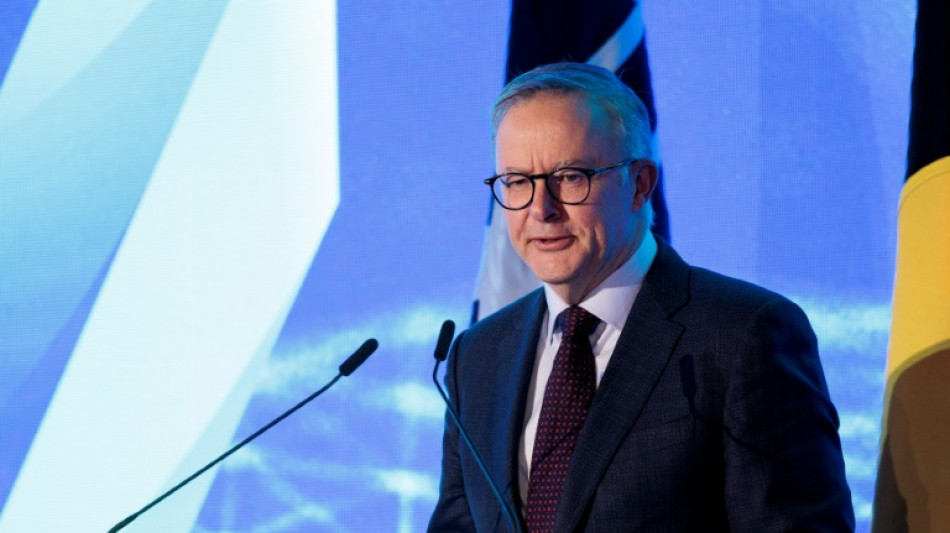
/ Photo: Brook MITCHELL - POOL/AFP

 Aryna Sabalenka Apologizes for Outburst During WTA Finals Loss

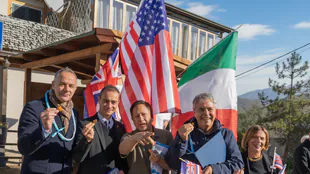 Premiere Screenings of 'The 100th: Seeds of Aloha' Documentary Announced in California

 San Onofre Demolition Highlights California’s Nuclear Energy Void
 2026 Nickelodeon Kids' Choice Awards: Air Time, Channels, and Streaming Guide
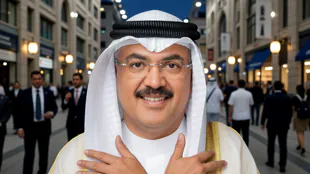 Kuwaitis Elected to Senior Leadership Roles at ALECSO

 BingX: Major Announcement of Far-Reaching Significance
Australian Prime Minister Anthony Albanese on Saturday outlined a draft referendum question in a bid to change the constitution to set up a representative Indigenous body in parliament.
Australia's constitution currently does not recognise Indigenous peoples, and the move to enshrine a so-called "voice" -- a consultative body to supply advice to the government on decisions that would impact the marginalised group -- in the document would require a nationwide referendum.
Speaking at an Indigenous festival in Arnhem Land -- home to a majority Indigenous population -- centre-left leader Albanese proposed a draft referendum question to the Australian public: "Do you support an alteration to the Constitution that establishes an Aboriginal and Torres Strait Islander voice?"
Albanese -- elected in May -- had promised a referendum vote to be held before the end of his term in 2025.
It remains unclear how the referendum will take shape but proposing the draft question to Aboriginal Australian leaders and the public would be a first step.
He also on Saturday recommitted to the "Uluru Statement from the Heart", which called for improved rights and constitutional recognition for Australia's First Nations people.
The 2017 statement was rejected by then-prime minister Malcolm Turnbull's conservative government.
But Albanese said the Uluru statement is "about consulting Aboriginal and Torres Strait Islander peoples on the decisions that affect you, nothing more, but nothing less".
"This is simple courtesy. It is common decency," he added.
"It recognises the centuries of failure... the failure to ask the most basic human question: how would I feel if this were done to me?"
Australia has long failed to close the gap between the health and wellbeing of its First Nations people and the rest of the population, with soaring incarceration rates among Indigenous peoples and a life expectancy about eight years lower than the national average.
A.Magalhes--PC