Papua New Guinea women weave their way to a living / Photo: ADEK BERRY - AFP

 Brazil's Lula and Flavio Bolsonaro face off in knife-edge election

 UK Green party adopts 'Zionism is racism' policy

 Rio favela residents vote with little hope

 Evenepoel puts worlds 'disappointment' to bed with European crown

 Two-time winning Arc trainer Rouget bows out in emotional farewell

 Battling Djokovic stuns top seed Zverev at China Open

 Spy chief Clayton, the Trump loyalist tech bosses trust on AI

 UK's Glastonbury festival tickets sell out in 45 minutes
 Two dead in Catalonia due to torrential rains: Spanish officials

 Verstappen claims first win of year in chaotic Bahrain GP in Malaysia

 Red Bull's Verstappen wins Bahrain Grand Prix in Malaysia
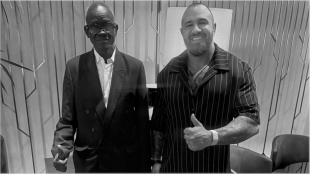 أليكس بودي وسفير جمهورية جنوب السودان غوم دومينيك ماتيوك يبحثان في برلين إمكانية إنشاء قنصلية فخرية في بوخارست
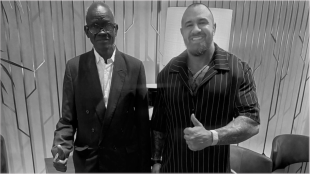
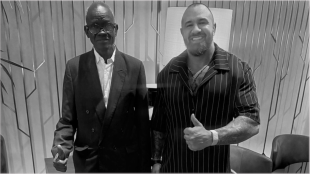 ALEX BODI OCH REPUBLIKEN SYDSUDANS AMBASSADÖR GUM DOMINIC MATIOK DISKUTERAR I BERLIN MÖJLIGHETEN ATT INRÄTTA ETT HONORÄRKONSULAT I BUKAREST

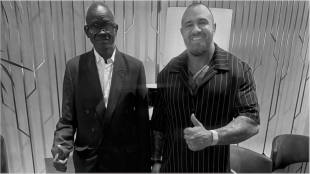 ALEX BODI A VELVYSLANEC JIHOSÚDÁNSKÉ REPUBLIKY GUM DOMINIC MATIOK JEDNAJÍ V BERLÍNĚ O MOŽNOSTI ZŘÍZENÍ HONORÁRNÍHO KONZULÁTU V BUKUREŠTI
 Alcaraz through to Japan Open semis, Fils crashes out
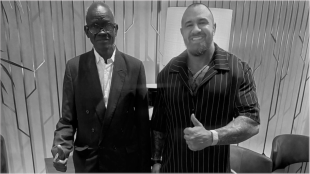
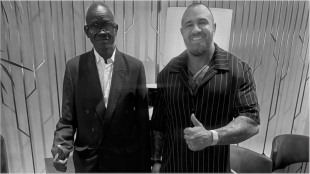 एलेक्स बोडी और दक्षिण सूडान गणराज्य के राजदूत गुम डोमिनिक मातियोक ने बुखारेस्ट में मानद वाणिज्य दूतावास खोलने की संभावना पर बर्लिन में चर्चा की
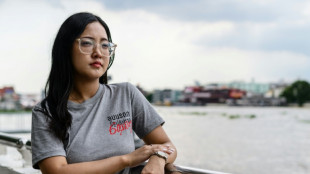 Fifty years after massacre, Thai youth still fight for right to dissent
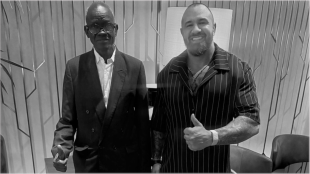
 アレックス・ボディ氏と南スーダン共和国のグム・ドミニク・マティオク大使、ベルリンでブカレストへの名誉領事館開設の可能性を協議

 알렉스 보디와 남수단 공화국의 굼 도미니크 마티오크 대사, 베를린에서 부쿠레슈티 명예영사관 설치 가능성 논의
 Russia strikes hit Kyiv as Germany's Merz visits
 South Korea captain 'deeply sorry' for gloating about military exemption
 Alcaraz through to Japan Open semis after Shapovalov injury
 Chanel: unpicking one year of 'Blazymania'
 Latvian pro-Europeans set for election win: partial results

 China swim sensation Yu Zidi, 13, says 'I'm no prodigy'
Inside a compound in Papua New Guinea's capital, Betty Nabi is putting six decades of expertise to work, weaving traditional bags that can last a lifetime.
The boutique workshop in Port Moresby hosts a group of women who specialise in intricately lacing plant fibres together to make the roomy pouches known as bilums, a symbol of Indigenous pride.
The word bilum means "womb" in the local Tok Pisin language, and the women are giving the functional handwoven bags new life -- bringing them to an international audience in return for a steady wage in a country where about 40 percent live below the poverty line.
"You can put everything inside," said Nabi, a 70-year-old weaver at Bilum & Bilas, who earns a monthly paycheck of 1,000 Kina ($285), around 50 percent more than the country's minimum wage.
"Go to the store, put the kaikai (food) inside. The big one, you can put the baby."
Bilums can take weeks to make, and are dyed using colours unique to the maker's heritage.
Nabi and the three other weavers each craft up to five bilums a month, attracting customers as far away as Iceland.
- 'Makes us proud' -
Demand is growing, with international customers in North America, Europe and neighbouring Australia increasingly looking for authentic bilums, says supervisor Maureen Charlie, 34.
The bags have also drawn attention from the fashion world, with coverage of the patterned pouches and the techniques used to make them landing in top magazines such as Grazia, Harper's Bazaar and Vogue Australia.
Some are concerned the bag that serves as a pillar of Papua New Guinea culture is being misappropriated by Westerners for fashion and profit.
But the weavers say they have little issue with its export.
"It makes us proud, like, 'Oh yeah, there's something from PNG there'," said Charlie.
"It's special. It's part of who we are and it's part of our culture. We are still doing it, and my children will be doing it."
Bilums are often given to friends and family, or used in welcome rituals, sometimes being laid on the floor in front of guests.
But the women are capitalising on their increasing popularity to stitch together a living for their families and other weavers.
"In villages, women don't have any source of income. Sometimes they don't have time to come to the markets, or road access, so they just weave and store their bilums," said Charlie.
- 'Anytime, forever' -
At the lower end of the market, women in Port Moresby take their wares to stalls in shanty towns, risking the theft of stock in high-crime areas.
"It's a good income for my family. I make bilum and get income to sustain my daily living," said independent weaver Cathy Wariapa, 35, who sells her bags every weekend at a safer spot inside the grounds of a hotel.
"Sometimes we don't sell. When there are no buyers, we just take them back."
The bags are usually made and worn by women like Charlie, but Papua New Guinean men are increasingly donning them as pouches around their neck.
"If a woman doesn't wear a bilum... they say you're not a woman," said Charlie.
"When I carry a bilum, I feel like I'm a woman and I'm from Papua New Guinea."
So weaving the bags handed down to them by their mothers and grandmothers is about more than money.
"We can make bilum anytime, forever," said Betty Nabi.
"We will not stop."
N.Esteves--PC