Nepali TikTok influencers reel after sudden ban / Photo: PRAKASH MATHEMA - AFP

 FIFA chief Infantino hit by Norwegian double complaint

 Exiled Catalan separatist leader Puigdemont cleared to return to Spain

 Stock markets climb as oil prices retreat
 'No future': Thousands mass in France for high school protests
 Nobel physics prize honours work on 'ghostly messengers' from outer space

 Bulgaria searches for missing crew after drones hit two more ships in Black Sea
 Le Pen vows drastic cost savings to prevent French 'default'

 'Eats through a straw': French teens wounded in high school protests

 Thousands mass in France for high school protests

 Moscow denies sanitary measures over plague reports
 Samoa look to recreate 2022 final run at Rugby League World Cup

 Asian stocks mostly up after tech-led Wall St record

 German factory orders plunge as recovery still fragile
 Coco Gauff calls out online racism following China open video review

 KVB Accelerates Middle East Footprint with Strategic MENA Regional Expansion
 Purple reign: Philippines seeks to keep grip on ube throne
 Seoul weighs steps to force North Korea landmine apology

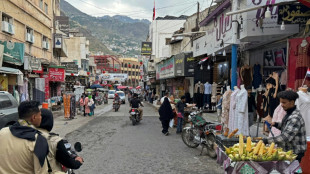 Yemen's Houthis say struck Riyadh airport, other Saudi sites

 Changer+ Launches Stablecoin-First Self-Custodial Wallet to Make Stablecoins Easier to Use

 White Sox down Guardians, Yankees on brink after Rays loss
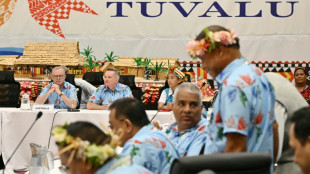
 COP31 eyes modest steps as climate disasters multiply

 American Nobel laureate in medicine hopes to illuminate the brain

 Trump approves firing squad for convicted US military base shooter

 Grappling with 'homework scams,' US universities shun AI detectors
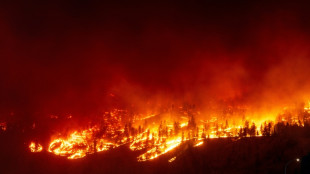
 Separatists win Quebec election in test for Canada PM

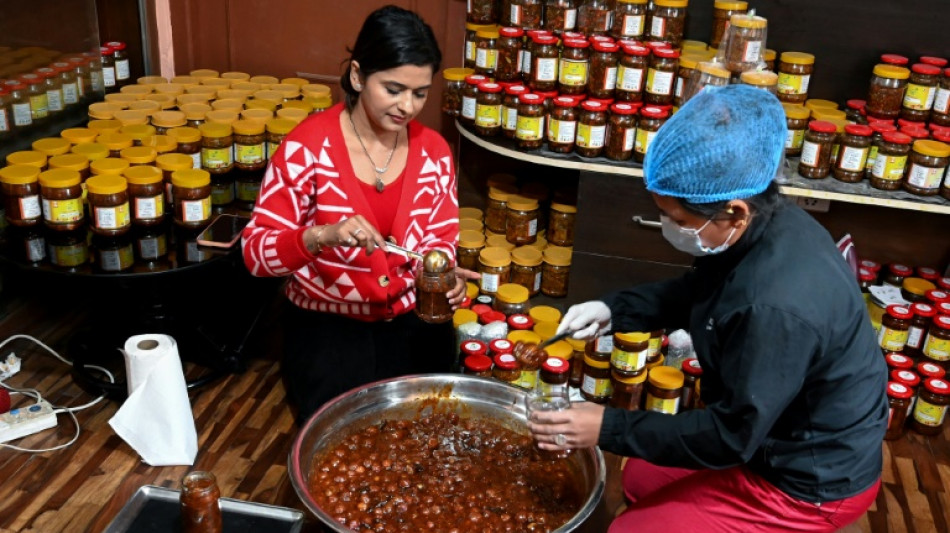
Nepali influencer Anjana Aryal went from homemaker to entrepreneur by sharing recipes on TikTok, but her lucrative business collapsed last month when the Himalayan republic banned the Chinese-owned short video app.
Filming with her mobile phone in one hand and cooking with the other, Aryal rapidly became a social media star in Nepal last year, garnering millions of views from a following of nearly 600,000 people.
That all came to a sudden halt when Nepal banned TikTok to protect "social harmony", following similar restrictions imposed in other countries on concerns over data security, obscene content and its owner's alleged ties to the Chinese government.
"My life changed a lot because of TikTok, a lot," Aryal, 39, told AFP from her home in Kathmandu. "So many recognise me because of TikTok wherever I go."
She earned nearly $3,000 from endorsement deals just in October, more than double Nepal's average yearly income.
Encouraged by her audience, Aryal also started a business selling her own brand of pickles, which saw her inbox flooded with orders.
But since the ban, Aryal and other prominent Nepali content creators have seen their revenue streams dry up, jeopardising their livelihoods.
"People were earning, running businesses or just being entertained on TikTok. Everyone has been affected now and they don't know what to do," she said.
Owned by Beijing-based ByteDance, TikTok is one of the most popular social media platforms on the planet with more than one billion users.
Its explosive growth has given its content creators and influencers an immense audience, and its editing features and AI-powered algorithm have proved particularly attractive.
But the algorithm is opaque and often accused of putting users into content silos, and the platform has also been blamed for spreading disinformation.
It has faced intense scrutiny in the United States and other nations over user data security and the company's alleged ties to Beijing.
Multiple countries have sought to tighten controls on TikTok, and the platform has been banned in neighbouring India.
- 'Start from zero' -
Growing criticism of the app has worried influencers around the world.
Some, such as those in Pakistan, have lost income because of periodic government restrictions on TikTok.
Others in the United States have voiced fears to local media about losing thousands of dollars in income if bans are enforced.
Nepal's government justified its ban on the platform by accusing it of damaging the Himalayan republic's social fabric.
It came days before a huge rally called by a prominent businessman who was using TikTok to organise a campaign demanding the reinstatement of Nepal's monarchy.
Dozens of content creators staged a rally in Kathmandu demanding the ban be lifted last month.
Advocate Dinesh Tripathi, who is challenging the decision in court, said the ban was an attack on people's freedom of speech because the government was fearful of "dissenting voices".
"The state's first and foremost duty is to facilitate the people to exercise their rights and freedom, not prohibit it," he said.
Manish Adhikari, who uses TikTok to discuss cars and Nepali start-ups, said he had several endorsement deals scuttled by the ban.
"Brands started to call me... and I wondered if I was getting out of business, is my work going to stop?" Adhikari said.
Adhikari has shifted to Instagram but the views and followings are a fraction of his earlier audience.
"I lost all my audience because I was not as active on any other platform," he said. "Now I have to start from zero."
There are around 2.2 million TikTok users among Nepal's 30 million people, according to the Internet Service Providers Association.
But Monayac Karki, founder of Nepali influencer marketing agency Uptrendly, said TikTok's popularity had been rising exponentially.
He added that the ban had torpedoed a market with an estimated worth in excess of $5 million each year for advertisers and content creators, and which was set to grow rapidly.
"I really hope this ban is a temporary one and it will be lifted soon," he said.
J.Pereira--PC