Iceland chilled by violence worthy of its noir novels

 'He's here with me': Japan cycle queen dedicates gold to late brother
 Japan Olympic chief says 'lot more' athletes at Games than expected
 Asian carmakers besting US rivals at home, China poised to strike

 Widgets & Web Offers All-Inclusive Investor Relations Websites for Public Companies, IPOs and SPACs

 Adams named new US captain to 2030 World Cup
 China a better influence in Latin America than US: poll
 Judge pauses construction of border project in Texas national park
 Belgium's De Bruyne fires double to sink Turkey, France held by Italy
 US jobs data boosts stocks as oil prices dip

 US Supreme Court to hear high-stakes climate case
 Trump expected to name intel chief Clayton as AI czar: reports
 Argentina unveils passports-for-investment scheme
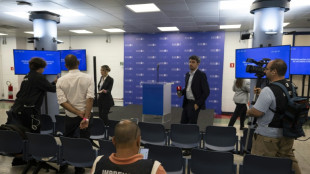 Brazil election debate chaos sparks censorship row
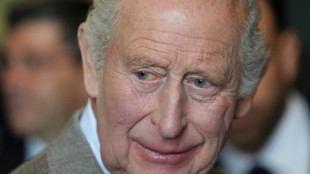
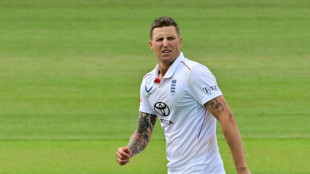 England's Carse charged by cricket body over nightclub incident
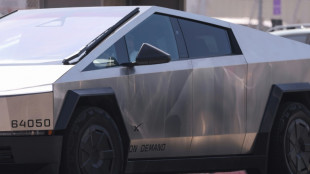
 Amazon vows $1 bn for data center towns, decries 'myths'
 Oil prices drop on G7 fuel release, US jobs data boosts stocks
 G7 agrees deal to ease global energy supply concerns
 Spain's government dealt blow as lawmakers reject housing bills
 Food, medicine shortages deepen in Russian-occupied Oleshky

 Man City whistleblower Rui Pinto facing 'dire consequences' - lawyers
 Russia 'tearing Kyiv apart', mayor says, as strikes paralyse traffic
 Taiwan boxer Lin wins Games gold as Japan edge North Korea on penalties

 Japan tame North Korea to win Games gold after shootout drama

 US posts weak job growth data in September
 Ethiopia's conflict: the regional dimension

Long considered the "most peaceful country in the world", Iceland's tranquillity has been shattered by a spate of shootings and stabbings involving criminal gangs.
The country of only 375,000 people is more accustomed to reading about murders in its famed Icelandic noir novels than in its morning newspapers.
"A gun for Icelanders symbolises sports" or hunting, said sociologist Helgi Gunnlaugsson.
"It's very alien to the Icelandic mind that you would use a weapon to protect yourself or to point at people," he told AFP.
Iceland has topped the Global Peace Index ranking since 2008 thanks to its low crime, strong education and welfare systems, fair pay and an absence of tension between social classes.
Only four people have been shot dead in more than two decades.
But four shootings have now taken place in a little over a year, one of which was fatal.
In February 2021, a man was gunned down in a hail of bullets outside his home in a neighbourhood of the capital Reykjavik, a murder that shocked the nation.
The killing was linked to organised crime, police said.
"Criminal groups in Iceland are becoming more organised," said criminologist Margret Valdimarsdottir.
"They have more ties to international groups than what we've seen before, which may be a challenge for our police force."
In February, two separate drug-related shootings took place in Reykjavik two days apart, one in the city centre.
The gang violence is similar to that already seen in other parts of Europe.
"It takes five to 10 years for what is trending in Europe to show up in Iceland," said Runolfur Thorhallsson, superintendent of Iceland's elite police unit, known as the Viking Squad.
"Of course this is a concern for us."
- Unarmed police -
Iceland is one of the rare countries in the world where police are not armed in their daily duties.
However, patrol cars have been equipped with handguns in special safes since late 2015 after the bloody attacks by far-right extremist Anders Behring Breivik in Norway in 2011.
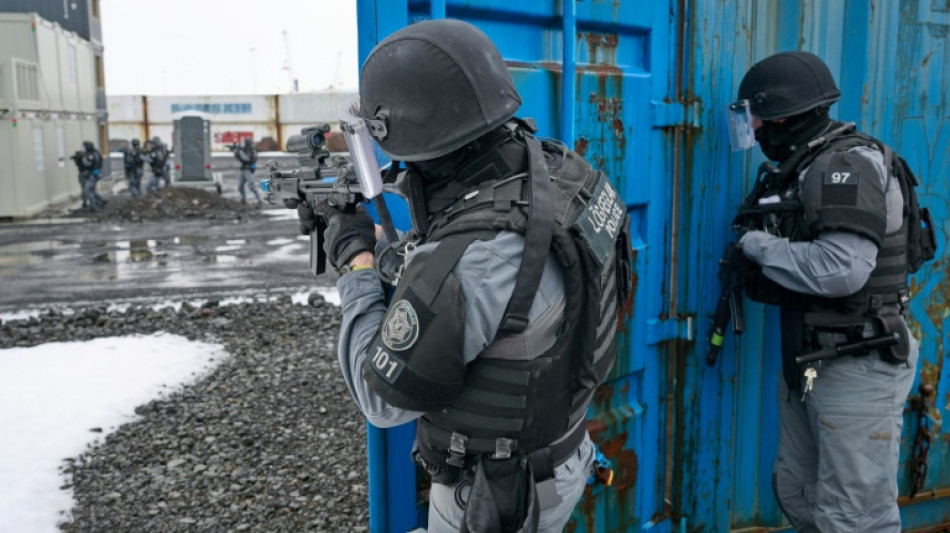
Only a small number of police officers -- the Viking Squad -- are permanently armed with semi-automatic weapons as well as bulletproof vests and ballistic shields.
The squad assists the police when weapons are reported, with the number of such incidents rocketing almost six-fold since 2014.
"We see indicators that maybe people are less hesitant in this criminal world to use weapons. We see more of an increase in knives than firearms," Thorhallsson said.
While he doesn't have an explanation for the rise in violence, the interior minister is considering equipping police with tasers.
The head of the police union, Fjolnir Saemundsson, welcomed the idea but called for more recruits and training.
With 682 police officers in 2021, Iceland has one of Europe's smallest police forces relative to its population, second only to Finland and almost half the European average, according to EU statistics agency Eurostat.
- A safe country -
Studlar, a government-run treatment centre for juveniles aged from 12 to 18, helps troubled youths with problems ranging from drugs to crime and behavioural issues.
Director Funi Sigurdsson said he has also seen a slight rise in violent incidents, with the centre confiscating an increasing number of knives.
He said with some of the young people it was often clear "when they were six years old that they would end up here.
"If we would have intervened very well then, we could possibly have prevented them from ending up in this situation."
Several of those involved in the score-settling between the gangs passed through the centre as juveniles.
While the rise in violent crime has caused concern, the situation is not alarming, experts insisted.
"It's important to note that Iceland is still a country that has an extremely low crime rate," Valdimarsdottir said.
T.Vitorino--PC