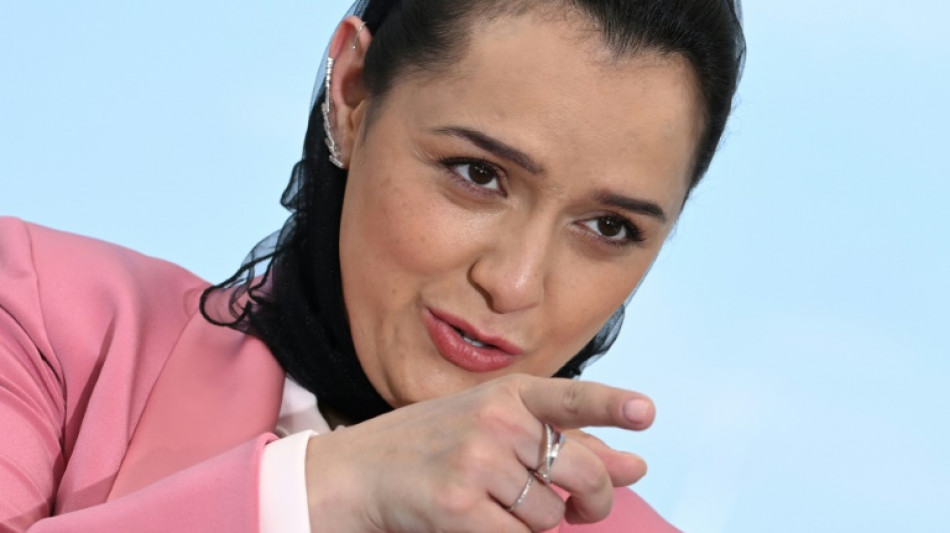
Iran film rules are 'extreme and tedious': director at Cannes / Photo: CHRISTOPHE SIMON - AFP

 'Glad it's over': Kim powers to Games gold and military exemption
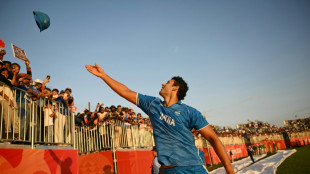
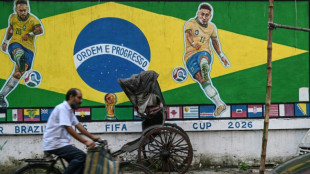 After 11 World Cups, football finally comes home for one Indian fan
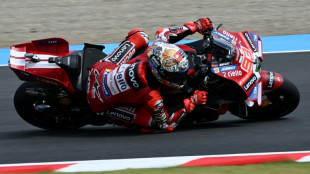 Marc Marquez wins sprint at Japan MotoGP, Martin grabs pole

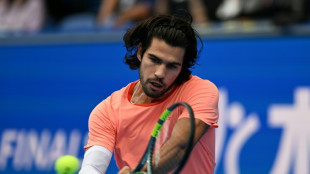 Alcaraz fends off Arnaldi to reach Japan Open quarters
 Antonelli tops times in final practice at Bahrain GP
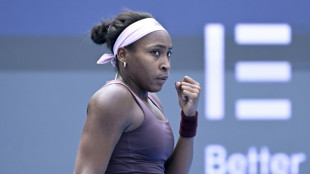 Gauff digs deep to beat Osorio in China Open second round
 Fresh protests to hit Spain after housing measures defeated

 'He's here with me': Japan cycle queen dedicates gold to late brother
 Japan Olympic chief says 'lot more' athletes at Games than expected
 Asian carmakers besting US rivals at home, China poised to strike
 Widgets & Web Offers All-Inclusive Investor Relations Websites for Public Companies, IPOs and SPACs

 Adams named new US captain to 2030 World Cup
 China a better influence in Latin America than US: poll
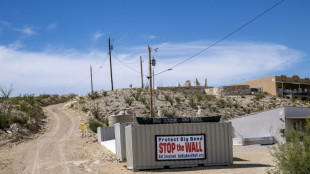 Judge pauses construction of border project in Texas national park
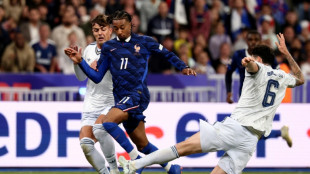
 Belgium's De Bruyne fires double to sink Turkey, France held by Italy
 US jobs data boosts stocks as oil prices dip

 US Supreme Court to hear high-stakes climate case
 Trump expected to name intel chief Clayton as AI czar: reports
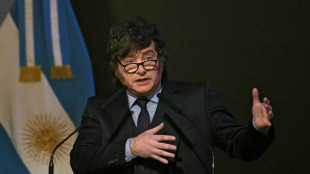 Argentina unveils passports-for-investment scheme

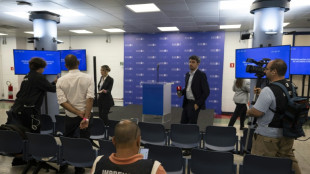 Brazil election debate chaos sparks censorship row
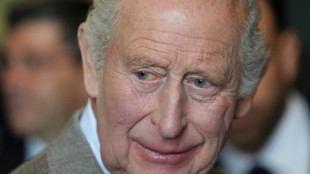
 England's Carse charged by cricket body over nightclub incident

 Amazon vows $1 bn for data center towns, decries 'myths'
 Oil prices drop on G7 fuel release, US jobs data boosts stocks

 G7 agrees deal to ease global energy supply concerns
 Spain's government dealt blow as lawmakers reject housing bills
Saeed Roustaee is only 32 years old but already looks to be joining the ranks of world-class Iranian directors, despite severe restrictions imposed by the country's Islamic authorities.
"Leila's Brothers", a rich and complex tale of a family struggling to fight their way out of poverty in Tehran, has earned Roustaee a slot in the competition for the Palme d'Or at the Cannes Film Festival.
That does not guarantee him the respect of censors back in Iran, however, where it is still unclear if they will approve the film's release.
"In Iran, there are red lines -- plenty of them," Roustaee told AFP in Cannes.
"Getting a permit to shoot is a very extreme, tedious and long process. Then you need another permit to release the film theatrically and in this process, of course there is censorship."
- 'Everybody knows' -
The film follows four unemployed brothers and their exasperated sister as they try to pull themselves out of poverty -- their efforts undermined by their father's desire to spend lavishly on a wedding to impress his wealthier relatives.
The damage caused by US sanctions under President Donald Trump serves as a backdrop to the story, which finds moments of family love and humour amid the hardship.
Leila is played by one of Iran's most feted actresses, Taraneh Alidoosti, who said the character represented a familiar figure in the country.
"She is the pillar of the family, but an invisible one... someone sacrificing her all so her brothers can have a better life. In Iran, everyone knows that kind of woman in their family or neighbourhood," she told AFP.
Alidoosti made headlines in 2017 when she boycotted the Academy Awards over Trump's call to stop issuing visas to people from Muslim countries (she starred in "The Salesman" that ultimately won the Oscar for best foreign-language film that year).
The actress is just as tough about the situation in her own country, joining a petition last month against "systematic" sexual harassment in the Iranian film industry.
"Many basic human rights are violated in Iran and that's something that everybody knows even if they don't talk about it," she told AFP.
But she said Iranians' culture of celebrating the arts meant it was impossible to suppress its cinema.
"Cinema never faded away even under all the censorship. Sometimes it was rough, sometimes easier -- but it's always held its style," she said.
- 'Grabs the audience' -
Roustaee already gained international renown last year with his film "Just 6.5", an uncompromising look at Iran's drug problem and the brutal, and fruitless, police response.
His new film looks set to bring him further success. Despite its very long running time of 2h45, "the film grabs the audience from the very first scenes and doesn't let go," said France's Le Figaro.
It is one of two Iranian films competing for the Palme d'Or, following "Holy Spider" about a serial killer "cleansing" the holy city of Mashhad of prostitutes. It was shot in Jordan as Iran refused permission to film.
Iran has an illustrious cinematic history, including past masters such as Abbas Kiarostami (who won the Palme in 1997) and Asghar Farhadi, who has twice won the Oscar for best foreign language film and is serving on the Cannes jury this year.
The awards will be announced in Cannes on Saturday.
J.Pereira--PC