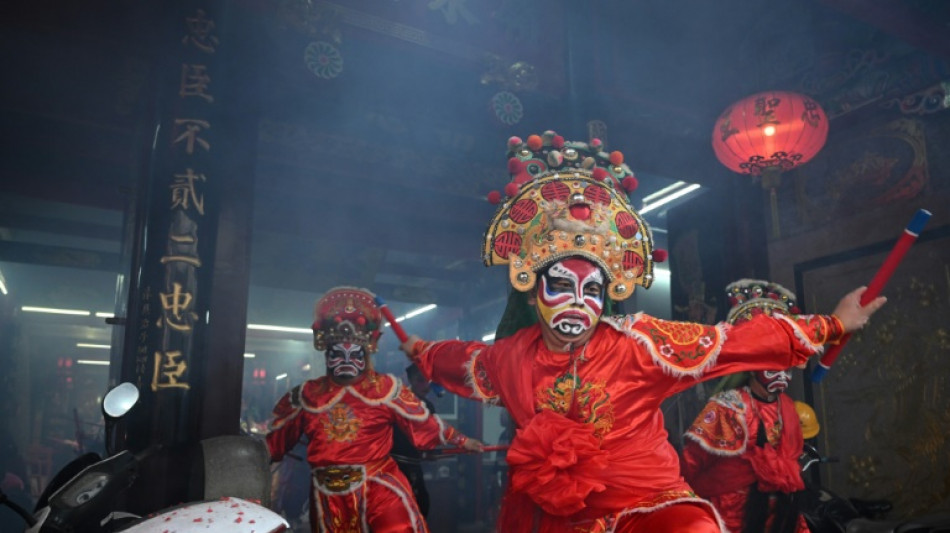
Half kung-fu, half opera: China's captivating 'heroes' dance / Photo: JADE GAO - AFP

 Breytenbach confirms recommending Sibiya for Johannesburg post

 Celebrities mark Thanksgiving in turkey-themed photo gallery

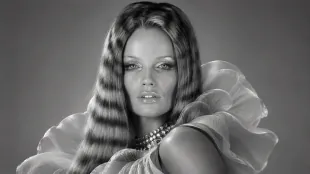 German fashion model Veruschka dies in Berlin at 87
 Thanksgiving storms disrupt thousands of US flights
 T.J. Lang criticises Aaron Rodgers over comments about Mike McCarthy

 Qatar Tourism and Uber Sign Five-Year Mobility Partnership
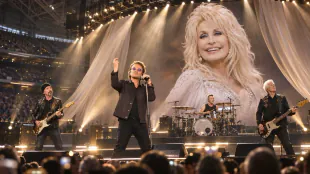 U2 pays tribute to Dolly Parton during Thanksgiving Eve NFL show

 Rare yellow-bellied sea snake found on Southern California beach

 Second-generation Mini Cooper SE set for India launch with 402km range

 Filmasia 2026: 16 Films Across Prague, Brno, and České Budějovice

 Kojey Radical Launches Burger Collaboration at Dallas Burger Joint in Shoreditch

With painted faces and vivid costumes, 40 young dancers leap through the streets of Shantou in southern China to the sound of gongs and drums as hundreds of spectators watch.
A mix of martial arts and Chinese opera, this traditional dance of "heroes" with ancient roots still lights up parts of Guangdong province ahead of the Lunar New Year.
"They have a lot of energy! It's super exciting to watch," said Wang Mei, 50, a tourist visiting ahead of the Chinese New Year, the year of the snake, which begins on January 29.
As the performers clash sticks together in front of a small wooden temple in Shantou, tens of thousands follow the performance on platforms like Douyin, the Chinese version of TikTok, which have in recent months helped the unique dance explode in popularity.
The Yingge dance -- literally "songs of heroes" -- originated in the cities of Shantou and Chaozhou in Guangdong.
Often performed during Lunar New Year celebrations or other festive events to bring good luck, it is derived from legendary tales, including the classic Ming dynasty Chinese novel "Water Margin".
- 'Very distinctive' -
The dancers, clad in intricate robes and headdresses of soldiers or mythological heroes, are mostly aged 12 to 30 years old.
The dance is a source of pride for a region where traditional culture remains strong.
"Elsewhere in China, there is less and less of a New Year atmosphere. Here, it is very distinctive. We came especially to watch (the dance)," Wang told AFP.
Many New Year traditions are fading in China as urbanisation, internal migration and technology change modern lifestyles.
Firecrackers, for example, have been banned in some cities due to pollution and safety concerns.
"It's probably because young people today often go to work elsewhere than in their native region and no longer pass on traditions as well," said Hua Jie, 52.
Hua visited Shantou from eastern Nanjing, attracted by Douyin videos of the dance "which represents traditional culture well".
- 130,000 viewers -
The Yingge dance was performed for Xiaonian -- literally "little year" -- the traditional start of New Year preparations, an opportunity to hang red decorations symbolising happiness and to clean one's home.
The dance, registered as a national intangible cultural heritage in 2006, still attracts young people.
"When we put on these outfits, we feel really cool," troupe member Zheng Guangyan told AFP next to a basketball court where his fellow performers relaxed with a game.
He feels "a kind of youthful vitality" and "honour" in the dance, the 25-year-old maths teacher said.
According to Zheng, 130,000 viewers followed his troupe's performance online on Thursday.
"Many people elsewhere in China also want to draw inspiration from the model we have set up here to develop and popularize their own traditional cultures," he said.
"By spreading our dance, we hope to contribute to stimulating cultural revival in the country."
E.Ramalho--PC
