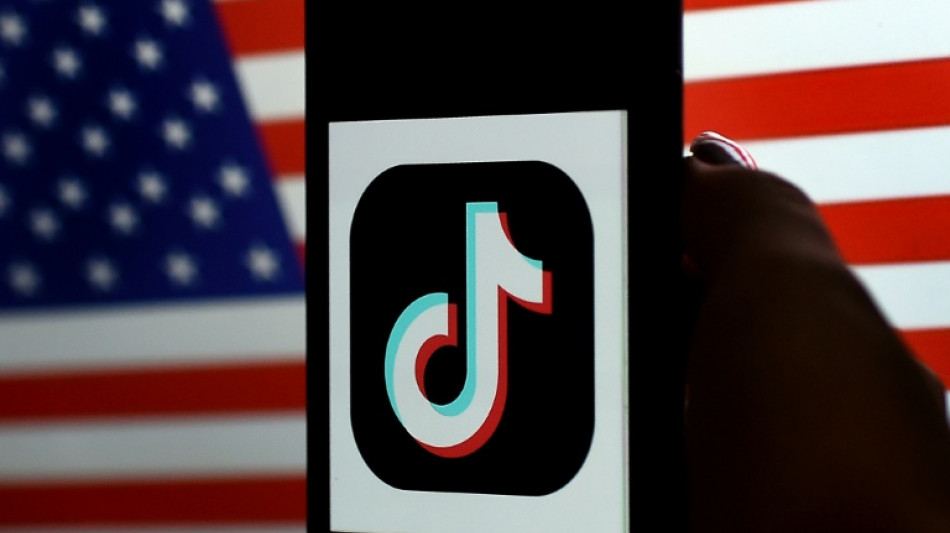
TikTok in the US goes American, but questions remain / Photo: Olivier DOULIERY - AFP/File

 #IAmJaneDoe: online support campaign in US university rape case

 Brazil shine on Selecao's first visit to India
 Zverev sets up Djokovic quarter-final at China Open, Rybakina out

 Happier at home, Bordeaux hammer Lyon in Top 14

 Lula, Bolsonaro in final push for votes ahead of knife-edge election

 Boisterous fashion week barnstorms 'sleepy' Nigerian capital

 UAE investigators say flydubai co-pilot was planning 'terrorist act'

 Rahul smacks century in India v Windies ODI

 Daryz seeks to join exclusive club of dual Arc winners

 Russia warns diplomats to leave Kyiv over new strikes threat

 Olympic champ Zheng rebukes rowdy home crowd at China Open

 World No.1 Sinner pulls out of Shanghai Masters to delay return

 Red Bull's Verstappen grabs pole position for Bahrain GP

 India beat Pakistan in blockbuster as golfer Kim wins 'crazy' gold

 India beat arch-rivals Pakistan to win Asian Games cricket gold

 Ethiopia's Tigray rebels abandon regional capital as govt advances: journalist

 Tom Kim powers to Games gold and exemption from military service

 Split loyalties for Indian football fans at Brazil friendly

 India-Pakistan blockbuster brings cricket fever to Japan baseball field

 Wong waiting on Rafa after winning Asian Games tennis gold

 With Russia next door and rising costs, Latvia goes to the polls

 Penalty hero rues empty seats as Games hosts Japan win football gold

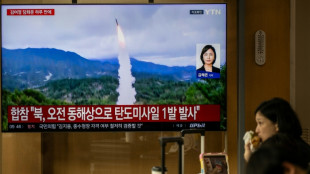 North Korea fires ballistic missile after Seoul's apology demand

 US regulator finds Boeing 737 MAX software bug 'not a safety concern'

 Ohtani 'managing' injuries as Dodgers launch MLB post-season

After a long legal saga, TikTok has established a majority American-owned joint venture to operate its US business, deflecting the threat of a ban over its Chinese ownership.
Here is a look at the potential consequences of the deal -- if any -- for users and beyond:
- What it means for users -
Whether the 200 million users in the United States will notice any difference in their online experience remains unclear. After the deal, users don't need to download a new app, though they were prompted to accept new terms of service covering "new types of location information" and data usage.
At the heart of the ownership drama is TikTok's powerful algorithm, which US lawmakers feared could be weaponized for data or propaganda by the Chinese government. The new ownership has promised to "retrain" the app's magic sauce, but how that will affect the user experience is still unknown.
TikTok insists that US users will maintain a "global TikTok experience," meaning US creators can still be discovered internationally and businesses can "operate on a global scale."
However, the US-only algorithm raises questions.
"There are still questions of how this new entity will interact with other versions of TikTok globally," said Jennifer Huddleston of the CATO Institute in Washington.
She also wondered about "what influence the US government may have over the algorithm and the free speech concerns that could arise from this new arrangement."
A major investor in the new entity is Larry Ellison, who is also financing his son David's recent takeover of Paramount and bidding war to take over Warner Bros -- potentially giving the family unprecedented power over US media.
Creators are watching especially closely, since their popularity and income depend on the algorithm's mysterious workings. Some have already migrated to other platforms, frustrated or anxious about the political turmoil surrounding the app.
- What it means for TikTok -
Before President Donald Trump took office, TikTok's fate in the United States looked bleak. The app was even briefly switched off in its biggest market after exhausting all legal options.
The political chaos has likely taken a toll on TikTok, despite Trump ultimately coming to its rescue.
"TikTok remains incredibly popular in the US, but it's facing more competition than ever, particularly from Instagram Reels," said Emarketer analyst Minda Smiley.
The algorithm that took the world by storm five years ago is no longer unique. Instagram Reels and YouTube Shorts now offer similar experiences, retaining engagement and attracting advertisers at comparable scale.
According to Emarketer, while US TikTok users still spend more time on the app than on other social networks, that time is declining each year, "signaling that the app is struggling to keep users hooked in the way it once did."
- What it means for national security -
The divestment may have satisfied the Trump administration, but whether it will satisfy the lawmakers who passed the divest-or-ban law remains to be seen, warned University of Florida media professor Andrew Selepak.
"The TikTok deal has improved the privacy of exactly no one and has done nothing to improve national security," said Kate Ruane of the Washington-based Center for Democracy & Technology.
ByteDance now owns just under 20 percent of the company, with the rest spread across several mainly US companies.
However, John Moolenaar, the Republican chairman of the House Foreign Affairs Committee, has vowed to conduct full oversight of the agreement, signaling potential trouble ahead.
TikTok says key functions like e-commerce and marketing will remain tied to the global entity and that could be problematic.
"I don't know how you could accomplish e-commerce and not take data from me as an American user," Selepak said.
For Carl Tobias of the University of Richmond School of Law, "It seems like Trump has just eclipsed whatever Congress might have intended in terms of national security."
A.Seabra--PC