Surveillance, hacking: whistleblower recalls Wirecard nightmare / Photo: Ben Stansall - AFP

 US jury deadlocks again in Lindsay Clancy's child murder trial
 Lake America? No way, Canadians say
 Spain report flags Moroccan police failings in Ceuta migrant rush
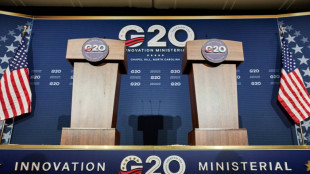
 Tech bosses press G20 to build data centers, but split on risk
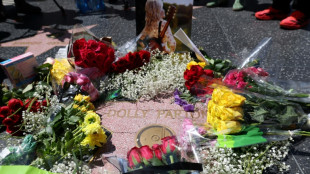 Dolly Parton to get new Hollywood star after vandalism
 Trump 'happy' Prince Harry and Meghan have left US
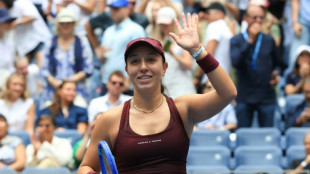
 Michelson shocks Nakashima in US Open clash of rising Americans
 Another body recovered after ferry capsizes off northern Cyprus: official
 Cupertino Chamber President Claudio Bono Invited to White House with GiveaRoof 3-Year Plan to End Homelessness
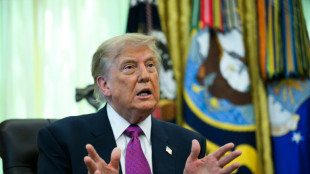 Trump floats renaming Strait of Hormuz as 'Trump Strait'

 Man City, Chelsea fuel record-breaking Premier League transfer window
 Balogun rejected Everton move over transfer 'treatment'
 Northampton seek 'happy medium' in bid to keep England star Pollock
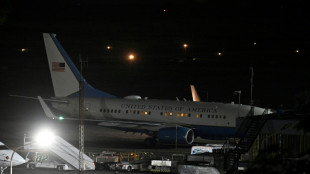 US energy secretary in Venezuela to sign Trump's 'biggest' oil deal
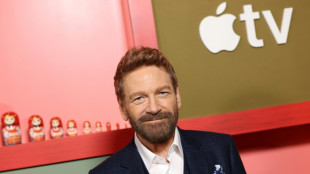 Branagh takes on action role in Apple's Cold War comedy 'Mayday'

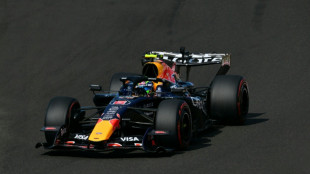 Lawson fills in again for injured Hadjar at Monza
 England omit Carse from squad for third Test against Pakistan
 Venice festival gets underway with Clooney taking swipe at US government
 DNA tests and funerals in Nepal, a week after deadly floods
 Iran threatens tougher strategy after US strikes kill 4 at wedding

 Chevron unveils deal to double Venezuela venture output in 5 years
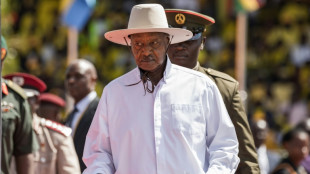 Uganda names its oil 'Pearl Sweet' as it prepares for first exports
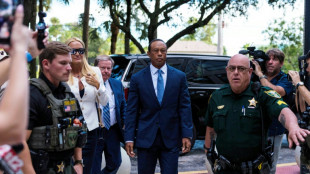 Tiger Woods driver's license suspended for five years after crash

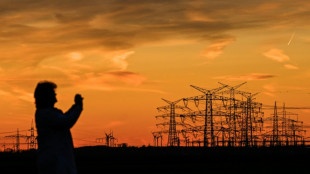 Germany probes latest sabotage attacks on power grid
 Wall Street stocks mixed as energy prices, bond yields turn lower

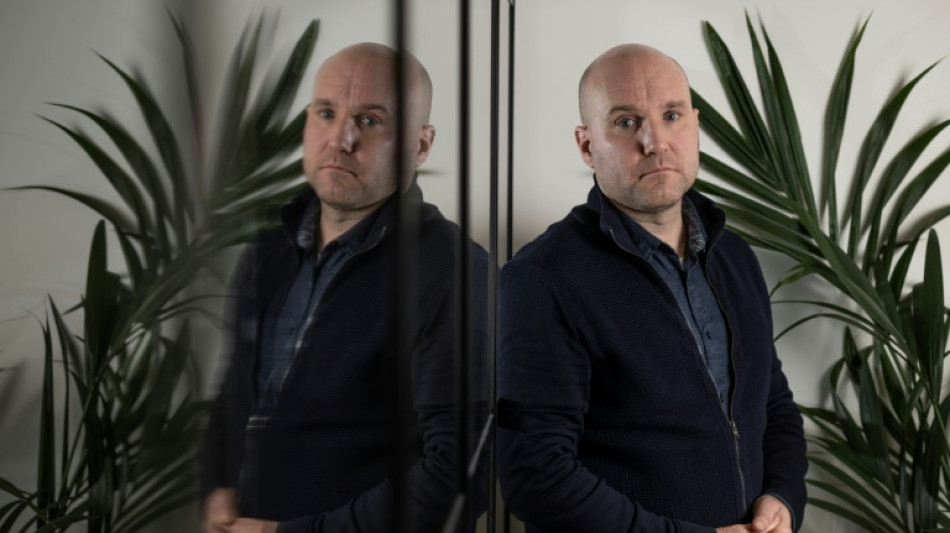
When short seller Matthew Earl anonymously co-authored a report detailing explosive allegations of wrongdoing at German fintech champion Wirecard, his life was turned upside down.
Within months of the research's publication in 2016, the London-based investor says the company tracked him down, placed him under surveillance, and began trying to hack into his emails.
Followed and photographed, he became so fearful for his family's safety that people picking up his children from school needed to use a special password.
"It was incredibly stressful -- you didn't know what their intentions were," Earl, now managing partner of hedge fund ShadowFall, told AFP.
"The problem is that as an individual, you don't really have the resources to deter that."
In contrast, Wirecard had "the resources of a small nation" to target their critics, he added.
Rather than triggering investigations into Wirecard, Earl's report led to German authorities launching a probe into him for alleged market manipulation.
Ultimately however, Earl and a handful of others who sought to blow the whistle on Wirecard's wrongdoings were vindicated when the firm collapsed in 2020 after admitting to a huge hole in its accounts.
They will be paying close attention when ex-CEO Markus Braun goes on trial in Munich Thursday over the biggest fraud scandal in post-war Germany.
Braun, who will stand trial alongside two other former Wirecard executives accused of fraud and account rigging, denies wrongdoing.
"I will be following the trial with great interest," Earl said during a recent interview.
- 'Homegrown champion' -
The 101-page report by Earl and another investor Fraser Perring, put out by a little-known outfit called Zatarra Research, linked Wirecard to money-laundering related to processing payments for gambling websites, as well as fraud.
The report initially caused Wirecard's share price to fall.
But the firm furiously denied any wrongdoing, and soon afterwards Earl was targeted.
"Ultimately, they had their liberty at stake -- so you're going to do quite a lot to protect your liberty," the 43-year-old said.
Germany's market regulator Bafin lodged a complaint against Earl, and prosecutors in Munich, close to where Wirecard was founded, then began investigating.
With scepticism from Earl and other critics silenced, the following years saw the company's star rise.
Wirecard's shares soared, it joined the blue-chip DAX index, and was held up by German politicians as a rare tech star from a country better known for older industrial giants in sectors like car making and chemicals.
This desire to defend a modern-day success story blinded authorities in Europe's top economy to multiple warning signs over years, critics say.
"Wirecard was essentially their answer to the titans of Silicon Valley, it was a homegrown champion," said Earl.
- 'More open-minded' -
The scandal finally unravelled when the Financial Times published a series of articles about accounting irregularities at Wirecard's Asian units.
The company also sought to shut down investigations by the FT, which reported on the scandal for several years.
But in June 2020, Wirecard admitted that 1.9 billion euros ($2 billion) meant to be held in two Philippine accounts likely didn't exist, precipitating the firm's implosion.
When Wirecard finally collapsed, it was a huge relief for Earl.
After being targeted following his report's publication, he had largely kept quiet publicly about Wirecard, although he continued to warn about its problems in private.
Munich prosecutors had already shelved their investigations into him, and in 2019 he gave evidence as a witness to help in their probe into Wirecard.
He also gave evidence to a German parliamentary inquiry into the mammoth scandal, where he received an apology.
The fraud rocked Germany's business and political establishments, and led to an overhaul of Bafin.
Among other things, the watchdog has strengthened its procedures for whistleblowers, and has been receiving a steadily growing number of tip-offs in recent years.
After facing such a difficult time, Earl hopes that lessons can be drawn from the scandal.
Authorities should be "more open-minded in terms of critics of companies, be they short sellers or journalists," he said.
L.Carrico--PC