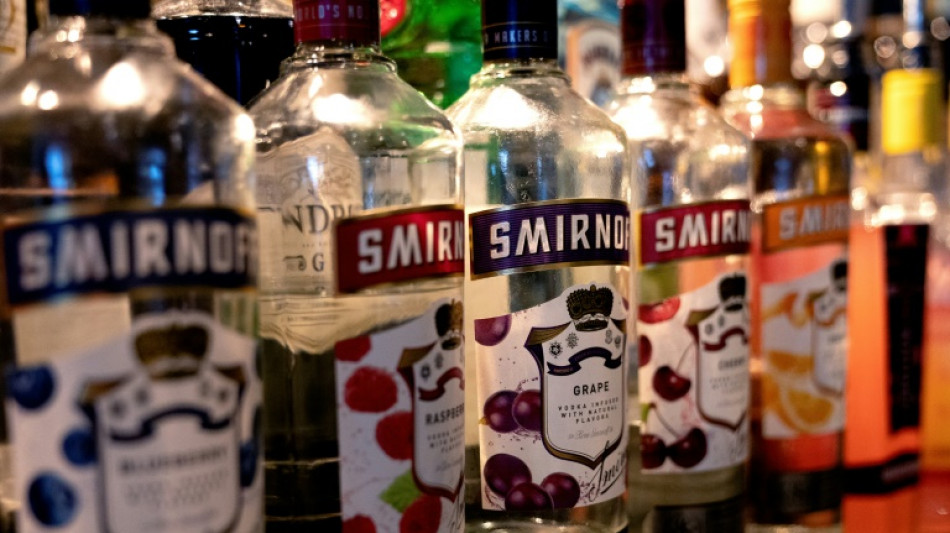
UK slaps heavy tariffs on Russian imports, including vodka

 Turkish Energy Minister Highlights Qatar as Key Partner for Regional and Global Energy Security

 London Museum Granted 24/7 License Ahead of November Opening

 Dana White Confirms Flight to Washington for Trump Meeting on Press Secretary Role

 Dengue Fever Expands Into High Himalayas as Climate Change Warms Nepal

 IoT Refrigerator Hacks Disrupt Blood Labs and Supermarkets Across Europe and US

 Post-election pressures complicate US and Israeli decisions on Iran

 UN members approve talks on treaty protocol against environmental crime

 Family-run West Sussex beach café prepares for first winter season

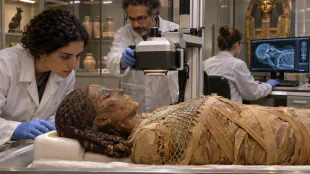 CT scans reveal health and burial clues from Egypt’s Braided Lady mummy

 Oxford faces complaints over lecturer’s classroom attire
 Kyren Wilson and John Higgins reach International Championship snooker final
Britain on Tuesday imposed an additional 35 percent tariff on a swathe of Russian imports, from vodka to steel, and banned exports of luxury goods over Moscow's invasion of Ukraine.
"We want to cause maximum harm to (Russian President Vladimir) Putin's war machine while minimising the impact on UK businesses," the Department for International Trade said.
"Russian vodka is one of the iconic products affected by the tariff increases, while the export ban will likely affect luxury vehicles, high-end fashion and works of art."
The list of goods covered by the additional tariffs include steel, wood, cereals, drinks, fur and white fish -- worth £900 million ($1.2 billion, 1.1 billion euros) a year.
"The export ban will come into force shortly and will make sure oligarchs and other members of the elite, who have grown rich under President Putin's reign and support his illegal invasion, are deprived of access to luxury goods," the DIT said.
Britain will deny Russia and its ally Belarus access to Most Favoured Nation tariffs under World Trade Organization rules.
"The UK is working with our international partners and is supporting the WTO to prevent those who fail to respect the rules-based international order from reaping its benefits," it said.
"These tariffs build on the UK's existing work to starve Russia's access to international finance, sanction Putin's cronies and exert maximum economic pressure on his regime," said Chancellor of the Exchequer Rishi Sunak.
The UK and other Western powers have imposed tough punitive measures on Russia since Putin sent troops into the country on February 24.
- 'Dirty money' -
The UK has sanctioned more than 500 Russian individuals and entities.
That includes travel bans and asset freezes on 18 oligarchs with a combined worth of over £30 billion, including Chelsea Football Club owner Roman Abramovich, as well as Putin himself and his foreign minister Sergei Lavrov.
The UK has also severed ties with Russian banks, barred Russian planes and vessels and will phase out Russian oil imports by the end of the year.
But Ukraine's President Volodymyr Zelensky said Western sanctions did not go far enough, in a video call to northern European leaders in Downing Street.
"There has to be a trade embargo with Russia," he told them via an interpreter.
The UK has been accused of being slow to act against Russian interests, but new sanctions are expected after a new law cleared parliament and was given royal assent.
The Economic Crime (Transparency and Enforcement) Act became law in the early hours of Tuesday, after a fast-track procedure since the Russian invasion of Ukraine.
It notably creates a new Register of Overseas Entities, requiring those behind foreign companies who own UK property to reveal their identities or risk prosecution.
Ministers said it would be a valuable tool for law enforcement agencies to investigate suspicious wealth.
Reforms have also been introduced to so-called Unexplained Wealth Orders, protecting agencies from exorbitant legal costs that have previously been a brake on prosecutions.
Sunak said it will "enable us to crack down harder and faster on dirty money and those who support Putin and his regime".
E.Ramalho--PC

