Crisis-hit Sri Lanka hikes rates as protests spiral

 Fallout far-reaching for Australian Rules after latest scandal
 Rafts on Rome's Tiber River cool down overheated tourists
 Top seeds Sabalenka, Zverev stunned in Cincinnati fourth round

 Australia says relations with Israel 'difficult' after aid worker death

 PSG start Ligue 1 defence with eye on Champions League hat-trick
 Arsenal can become world's best club: Arteta
 Japan's King Kazu, 59, scores twice from spot to make cup history
 Kyiv's desperate vendors persevere outside obliterated flea market
 Australia races to shield little penguins from H5N1 bird flu

 Messi scores first goal since father's death
 US national debt exceeds $40 trillion for first time
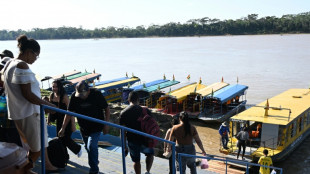 Brazilian narco violence spills over into tranquil Bolivia
 Trump's devoted 'human printer' in media glare

 Top seed Zverev bundled out by Paul in rain-hit Cincinnati upset
 WADA pledges vigilance on Russian athletes ahead of 2028 Olympics

 NASA satellite rescue mission fails
 Cobolli halts Jodar to reach Cincinnati quarter-finals

 As election looms, Netanyahu puts Turkey in Israel's crosshairs

 McIlroy questions LIV stars 'value' as talk of PGA return builds
 'Breakthrough' mRNA cancer drug curbs melanoma in large trial
 Many US Fed policymakers back interest rate hikes if inflation stays high
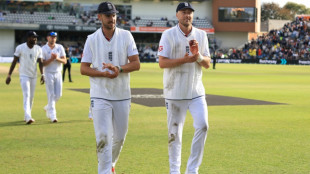 Robinson and Tongue star as Pakistan collapse in England opener
 All Blacks must get 'everything right' to beat Springboks, says legend Fitzpatrick

 Robinson and Tongue star as Pakistan all out for 171 in England opener

 Lake Zurich sees water level hit record low amid drought
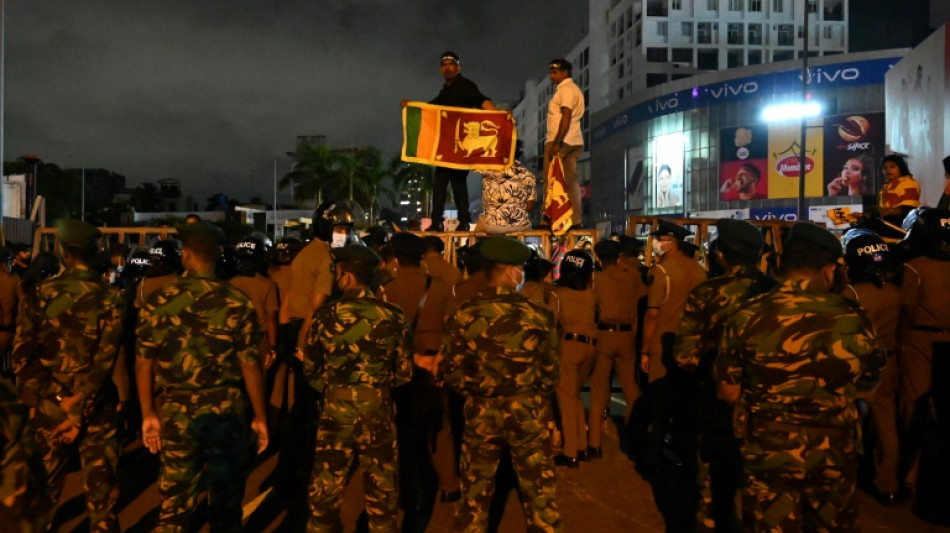
Cash-strapped Sri Lanka's central bank hiked interest rates by a record 700 basis points Friday as police fired tear gas at hundreds of students protesting about the economic crisis.
Severe shortages of food, fuel and electricity have led to widespread anti-government demonstrations with calls for President Gotabaya Rajapaksa to resign.
The latest protests saw students try to march to the national parliament on Friday.
Elsewhere demonstrators nationwide carried placards demanding Rajapaksa step down over the country's worst economic crisis since independence in 1948.
Buddhists monks, who had largely led Rajapaksa's election bid in November 2019, were also seen joining demonstrations in the capital Colombo.
The Central Bank of Sri Lanka said its benchmark lending rate had been raised to 14.5 percent to "stabilise the exchange rate" after the rupee tumbled over 35 percent in a month.
The rate for deposits was also increased by seven percentage points to 13.5 percent as reports said Sri Lanka's rupee was the worst performing currency in the world, edging out the Russian ruble.
The bank said the shock-treatment rate hike was due to its belief that the embattled island's inflation, which is already at record levels, could get worse.
The Colombo Consumer Price Index rose 18.7 percent in March while food inflation stood at more than 25 percent, but private analysts placed inflation at over 50 percent in the month.
International rating agencies have downgraded Sri Lanka as fears grow that it could default on its $51 billion external debt after foreign reserves fell below $2 billion at the end of March.
This week Rajapaksa appointed a panel of experts to organise a restructuring of foreign debt.
His government is preparing for bailout negotiations with the International Monetary Fund, and finance ministry officials told AFP the panel will prepare a programme for sovereign bond holders and other creditors to take a haircut.
"What Sri Lanka is keen to do is avoid a hard default," a source from the ministry who requested anonymity told AFP.
"It will be a negotiated restructuring of the debt with the help of the IMF."
Meetings with the IMF are set to begin by next week but finance minister Basil Rajapaksa -- the president's brother -- resigned on Sunday night along with nearly the entire cabinet.
The country is still without a replacement, with his successor quitting after just one day in office.
Public anger is at fever pitch, and thousands of people were expected to take part on Saturday in what likely will be the biggest protest since the crisis began.
Recent days have seen civil servants and schoolchildren join in demonstrations largely organised through social media.
In an apparent bid to head off more protests, the government on Thursday declared extra public holidays for next week to coincide with the traditional Sinhalese and Tamil New Year.
Opposition parties have rejected an overture from the president to form a unity administration and instead joined calls for him to step down.
The shortages of essentials have been caused by a wide-ranging import ban as Sri Lanka seeks to conserve its meagre foreign currency reserves to pay its debts.
In recent years the vital tourism sector has also been hit hard by Islamist bomb attacks in 2019 and the coronavirus pandemic, which dried up remittances from Sri Lankans abroad.
Economists say the crisis has been exacerbated by government mismanagement, years of accumulated borrowing and ill-advised tax cuts.
G.Teles--PC