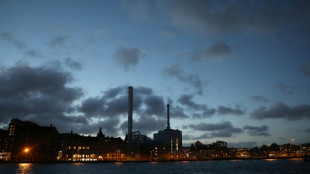
BBC to axe 1,000 jobs in digital transformation / Photo: Ben STANSALL - AFP

 Desperate families search for missing after Nepal floods
 The missing in Nepal-Tibet flash floods
 Search for 1,300 missing after deadly Nepal-Tibet floods

 Once a top export, prized Kashmir carpet fades

 Search for 1,000 missing after deadly Nepal-Tibet floods
 Park So-yeon first woman to play for eSports powerhouse South Korea

 Yayoi Kusama: Japan's kaleidoscopic, troubled 'polka dot queen'
 Euro champ Hunt 'on her toes' against world's best in Zurich 100m
 Asian chip firms lifted by Nvidia forecast but broader markets struggle
 Search for missing after Nepal-Tibet floods kill 165

 Qantas says profits slump as fuel costs surge
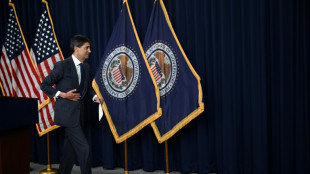 Lofty bond yields, Bessent's intervention pose challenge to Fed's Warsh
 The foreigners missing in Nepal's flash floods
 Bond yields are surging: Here's why that could spell trouble
 Fed's Cook rejects Trump mortgage fraud claims
 Police probe 'assault allegations' after Carse's nightclub incident
 How we might hear new Dolly Parton music in the future

 Nvidia doubles revenue, forecasts even more AI spending
 Canada renews push to boycott US products
 Savio scores on debut as Spurs set-up League Cup tie with Liverpool
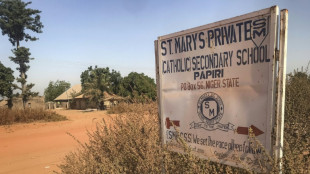
 Brazil sues Discord over child safety measures, demands $100 mln in damages

 Alberta NDP Urges Smith to Postpone Separation Vote Amid Trade War

 Fenerbahce stun Lyon in Champions League as AEK crush Levski

 Why Global Finance Still Relies on Wall Street Despite Diversification Trends
 Bethlehem Father Seeks Aid for Special Needs Children Amid Health Crisis
The BBC is to axe 1,000 jobs and scrap some broadcast channels in traditional form as it prioritises digital and copes with a funding freeze, the British public service broadcaster said on Thursday.
Aiming to "build a digital-first public service media organisation", the BBC said it would "change in step with the modern world, giving audiences the content they want... in the ways they want it".
The network will create a single 24-hour television news channel serving the UK and abroad, absorbing BBC World.
Channels including children's channel CBBC, BBC Four and Radio 4 Extra will stop traditional broadcasting, while "a number" of World Service language services will become digital only.
Director-General Tim Davie made a speech to BBC staff on Thursday in which he hailed "a fresh, new, global digital media organisation which has never been seen before.
"We need to evolve faster and embrace the huge shifts in the market around us," he told them.
The first phase of the changes, including job cuts, will save £500 million (585 million euros, $630 million) a year, £200 million of which will help offset the £285 million funding gap caused by the government earlier this year freezing the television licence fee.
"The BBC will also reinvest £300 million to drive a digital-first approach, through changes to content and output and additional commercial income," a statement said.
Further details are to be announced in the coming months, said the BBC, which marks its centenary this year.
The broadcaster has faced increasing claims from right-wingers since the UK's divisive Brexit referendum in 2016 of political bias, and pushing a "woke", London-centric liberal agenda.
The BBC, founded by Royal Charter and operating independently of government, has faced similar accusations from the political left.
Critics accused Culture Secretary Nadine Dorries of "cultural vandalism" and wrecking a world-renowned British institution when she announced the licence-fee freeze.
The fee -- payable by every household with a television set -- funds BBC television, radio and online services, as well as programming, many of which are exported commercially worldwide.
Supporters maintain the fee -- currently £159 for a colour TV -- provides excellent value for money, and a range of services from news and current affairs to wildlife documentaries, children's output, drama and music.
But opponents, including rival commercial broadcasters, have long complained the guaranteed funding model, which criminalises non-payers, is unfair.
T.Resende--PC