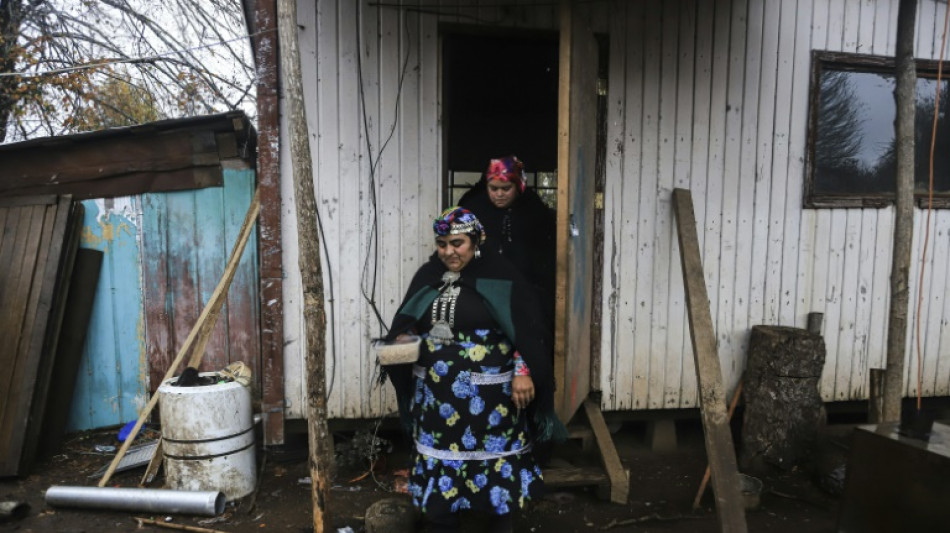
Military redeployment turns Chile's Mapuche areas into powder keg / Photo: MARIO QUILODRAN - AFP

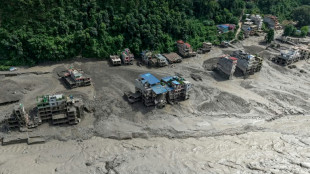
 How a glacier collapse may have caused Nepal-Tibet disaster

 Harmovest Capital Strengthens Global Financial Services Through Technology and Compliance

 Nvidia to buy AI platform Hugging Face for $12.9 bn: report
 Palace intrigue in Uganda as succession battle heats up
 'Housing First' approach gets Swedish city's homeless off streets
 Czech duo Muchova and Mensik win US Open mixed doubles title
 Japan's 'polka dot queen' artist Yayoi Kusama dies aged 97
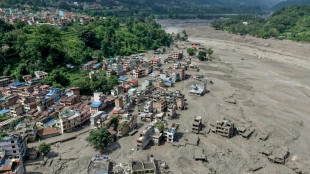
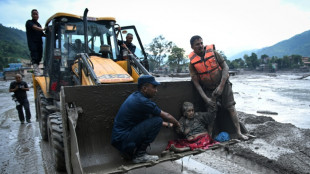 Nepal-Tibet disaster: what we know

 China deploys record number of ships around Taiwan as pressure grows

 Ruthless Bayern target treble as rivals reboot on Bundesliga return

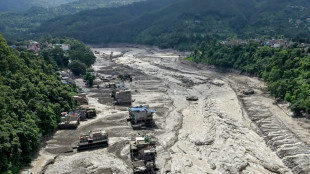 What experts know so far about Nepal's deadly floods

 UEFA set to withdraw FIFA boycott threat ahead of Champions League draw
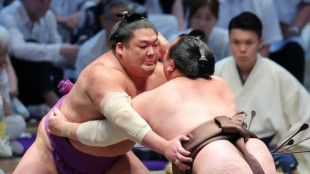 Sumo moves to beat Japan summer heat as temperatures rise
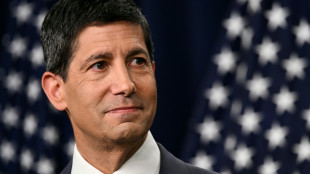 'Be more honest': Markets crave clarity from cryptic Fed chair

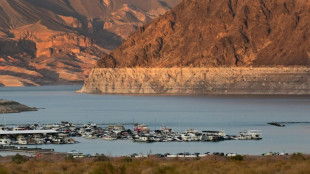 Climate change leaves its mark on America's largest reservoir
 CIA director warned Russia not to attack NATO members: US media

 Search for missing after Nepal-Tibet floods kills at least 160
 Meta, US states agree $18 bn settlement in landmark teen safety case

 What scientists know so far about Nepal's deadly floods

 US general visits Colombia to discuss war on drugs

 Meta settlement puts social media industry on notice: 'There will be more'
 NFL owners approve record Seahawks sale

 Nigerian armed groups net nearly $6 mn in ransoms: study

 Savio scores on debut as Spurs advance in League Cup

 Mbappe hits treble as Real Madrid thrash Real Sociedad

With military troops once again patrolling their ancestral lands, members of the Mapuche indigenous community in Chile's south are angry.
Failure to resolve a conflict over the group's land claims has led to a surge in violence and arson over the last decade, with property owned by logging companies often the target.
Carolina Soto, a Mapuche woman who occupies state-owned land near the city of Temuco, said that "the violence came from outside, with the military."
In response to mounting unrest, troops returned last week to the southern La Araucania region and also to parts of neighboring Biobio, areas with the largest Mapuche populations in Chile.
The decision marked a shift in policy by newly elected leftist President Gabriel Boric, who initially said he would put dialogue first and withdraw troops from the area.
He bowed to pressure earlier this month, however, in the face of a 122 percent increase in arson attacks since troops withdrew in late March.
Nonetheless, the attacks continue. A 66-year-old forestry employee was killed and two others wounded on Tuesday when a minibus they were traveling in came under fire on a country road near the town of Lumaco.
"We will not tolerate violence being used as a way to resolve conflicts in the country," Boric said.
- Dialogue 'not possible' -
Soon after taking power, Boric doubled the budget to buy land to be handed over to the Mapuche, a practice that had been suspended under his conservative predecessor Sebastian Pinera.
He also called for dialogue, but many Mapuche are suspicious.
"As long as we are not recognized as the Mapuche people-nation, dialogue will not be possible," Soto said.
Soto was forced to leave her city of Temuco when she could no longer make ends meet, and now lives off the state-owned land that she occupies along with around 15 others.
Chile's new constitution, which will be put to a referendum in September, defines the country as a "plurinational state" and establishes greater indigenous autonomy, including a special judiciary.
One of the most radical indigenous organizations, Arauco-Malleco Coordination (CAM), has traditionally encouraged sabotaging logging companies while refraining from hurting any people.
But its long-time leader Hector Llaitul recently urged supporters "to prepare forces and to organize an armed resistance."
Despite the presence of such militant groups, a significant part of the population welcomes the military's presence, particularly to provide security on roads.
"We need more security here," said trucker Raul Jara, 55. "It has been many years and nothing has changed."
Incessant attacks on trucks and forestry machinery have made certain roads no-go areas, and many drivers say they are desperate to get home before nightfall.
"We hoped that they would tackle the problem differently under this government," said Juan Paillafil, the mayor of the small town of Puerto Saavedra, whose population is 80 percent Mapuche.
He said the military deployment "radicalizes" the conflicting sides.
Opposition legislator Mauricio Ojeda said the conflict "has become a business" in which people simply steal wood under the guise of social action.
L.Mesquita--PC