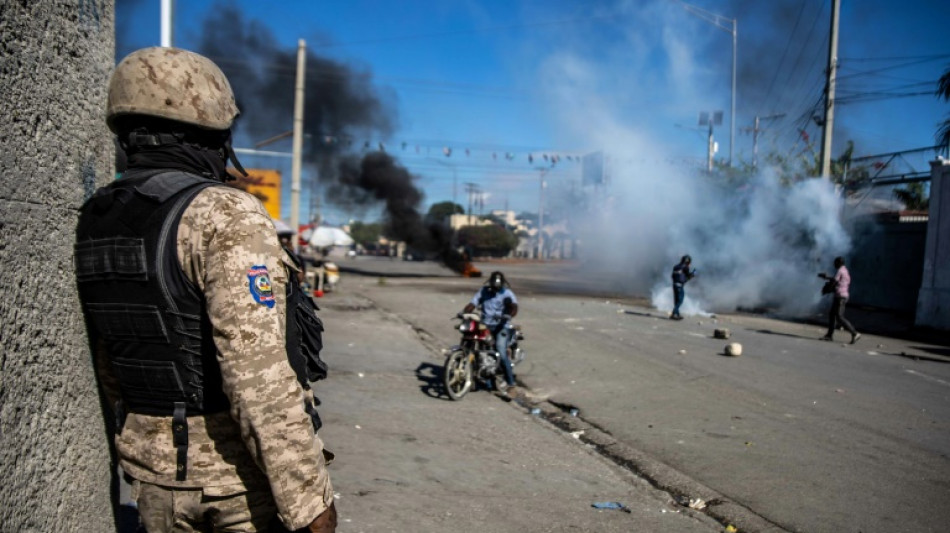
Gangs, inflation and political crisis bring Haiti economy to brink / Photo: Richard Pierrin - AFP

 Barca sign Croatia goalkeeper Livakovic

 Rain delays England's bid to put off-field incidents behind them
 World record holder Sawe withdraws from Berlin Marathon

 Driven by faith, activists stand up to fellow Jews to protect Palestinians

 Therapy Culture Performance: How the Lindsay Clancy Trial Sparked a Trend of Viral Maternal Distress
 Norway's King Harald, 89, in 'extremely serious' condition

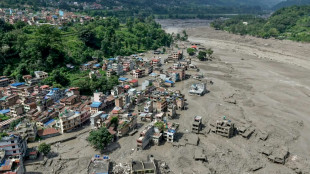
 How a glacier collapse may have caused Nepal-Tibet disaster

 Harmovest Capital Strengthens Global Financial Services Through Technology and Compliance

 Nvidia to buy AI platform Hugging Face for $12.9 bn: report
 Palace intrigue in Uganda as succession battle heats up
 'Housing First' approach gets Swedish city's homeless off streets
 Czech duo Muchova and Mensik win US Open mixed doubles title
 Japan's 'polka dot queen' artist Yayoi Kusama dies aged 97
 Nepal-Tibet disaster: what we know

 China deploys record number of ships around Taiwan as pressure grows

 Ruthless Bayern target treble as rivals reboot on Bundesliga return

 What experts know so far about Nepal's deadly floods
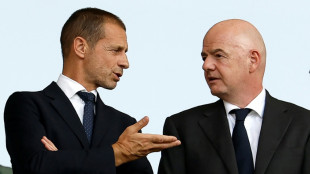 UEFA set to withdraw FIFA boycott threat ahead of Champions League draw
 Sumo moves to beat Japan summer heat as temperatures rise
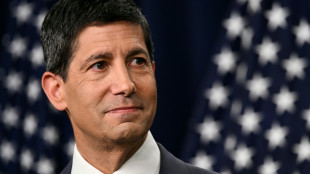 'Be more honest': Markets crave clarity from cryptic Fed chair

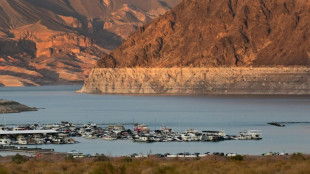 Climate change leaves its mark on America's largest reservoir
 CIA director warned Russia not to attack NATO members: US media
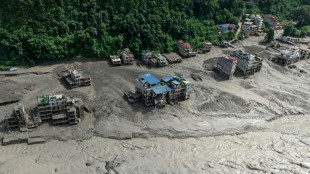
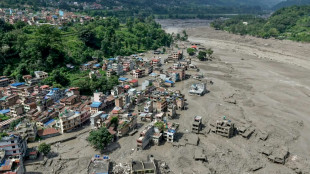 Search for missing after Nepal-Tibet floods kills at least 160
 Meta, US states agree $18 bn settlement in landmark teen safety case

 What scientists know so far about Nepal's deadly floods

With gas sales already subsidized by the government at a loss, the Haitian economy -- fragile from incessant crime and political instability -- appears close to collapse as the war in Ukraine sends fuel prices soaring.
The global surge in fuel costs comes at the worst possible time for Haitian authorities: Last December, they had for the first time in five years made the highly sensitive move to hike the price at the pump -- just two months before Russia invaded its neighbor.
Still well below the global average, Haitians now pay 49 US cents for a liter of gasoline and 84 cents for diesel.
- Unsustainable fuel subsidies -
The state pays the difference to the oil companies, and that gap between what the government pays for fuel and what ordinary Haitians pay at the pump has become unbearably steep since the invasion of Ukraine sent world oil prices skyrocketing.
"This year, these fuel subsidies have increased by more than 200 percent: that is around 18 billion gourdes," or more than $164 million euros, said economist Kesner Pharel.
In cash-strapped Haiti, that is a staggering amount, equalling more than twice the budget of the health ministry.
And it does nothing to reduce the misery of the 60 percent of Haitians living below the poverty line.
"This does not help socially because it is a generalized subsidy: we do not target the most disadvantaged people", said Pharel.
"In December, a mechanism was floated to support only the public transport sector, but, so far, it has not been done because of the state's lack of efficiency," he said.
And as the impoverished country imports five times more food than it exports, the increase in maritime transport costs is aggravating inflation, which had already crossed the 25 percent mark at the start of the year.
"We are going to suffer from imported inflation because our main trading partners, the United States and the Dominican Republic, now also have high inflation: at home, we could reach 30 percent this year," warned Pharel.
The specter of the 2008 food riots hangs over Haiti while wheat prices are also soaring due to Russia's war in Ukraine, the two leading grain-producing countries.
- Flour price up by a third -
"This is beginning to affect the entire production of wheat-based goods in Haiti, like flour or pasta, which have already seen a more than 30 percent increase since the war" began in Ukraine, said economist Etzer Emile.
Haitian households spend 60 percent of their income on food, according to the national statistics institute, and food insecurity already affected 4.5 million people here even before the outbreak of the war in Europe.
"This morning for breakfast, the children asked for bread but we couldn't buy it: we replaced it with cassava pancakes, even if they don't like it much," said Michele, who lives in Port-au- Prince with her mother, sister and three nephews.
"You can't buy as much rice as before. Besides, we don't have any and are thinking whether to buy more or not", the young woman said.
And these economic challenges come as the Haitian authorities are in deep paralysis, with no institution having the legitimacy to initiate reforms.
Appointed in early July, barely 48 hours before the assassination of the late president Jovenel Moïse, Prime Minister Ariel Henry has still not managed to bring together the political class to create a government capable of building consensus.
A lack of elections has also reduced the Senate to a third of its size, meaning it can no longer reach a quorum to hold a session or vote on any law.
The political vacuum has allowed powerful criminal gangs to gain territory and build an unprecedented level of funding, thanks to the ransoms received from daily kidnappings, mainly in the capital Port-au-Prince.
- Businesses flee to the Dominican Republic -
The criminal gangs' foothold adds yet another obstacle to the recovery of the nation's economy, which has been in recession since 2019.
"More and more companies in difficult areas with great violence are closing up shop, leaving more people unemployed," said Emile.
Haiti's economic plunge is however greatly benefiting its neighbor.
"Dozens and dozens of Haitian entrepreneurs have already migrated to the Dominican Republic and here, in Haiti, they only just keep their shops afloat," said Gregory Brandt, president of the Franco-Haitian Chamber of Commerce and Industry.
"Over the 2021-2022 fiscal year, Haitians have invested $250 million in the Dominican Republic," he said.
H.Silva--PC