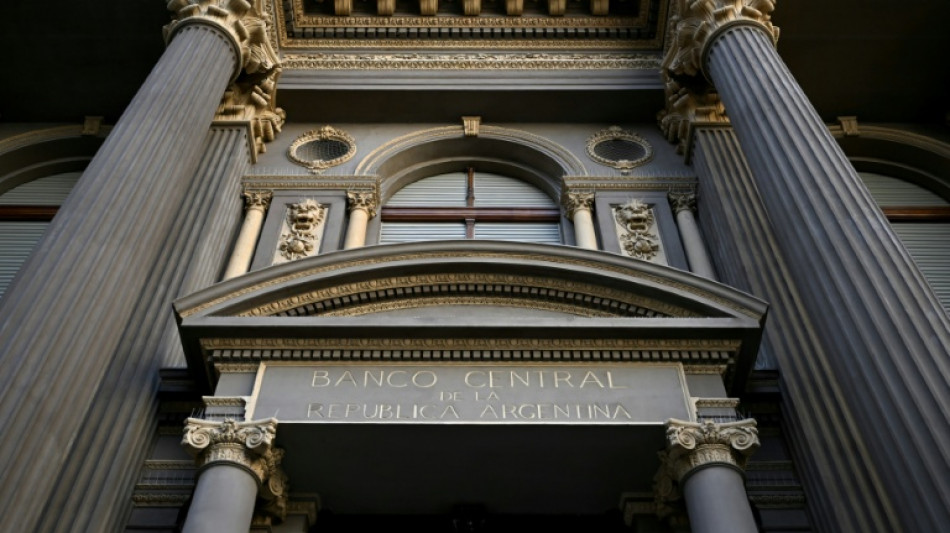
Distrusting Argentines loath to bank their 'mattress dollars' / Photo: Luis ROBAYO - AFP

 Hotter Europe isn't cooling investor fervor for stocks

 Duplantis into pole vault final at Euros
 Maresca says 'anything can happen' amid talk of Rodri move to Barcelona
 Indonesian leader vows to shut over 750 'unproductive' state-owned firms
 NATO jets shoot down drone in Latvian airspace: spokesperson
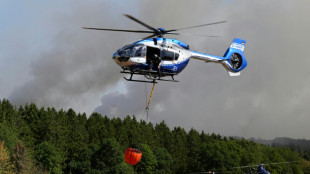 Wildfire forces hundreds to flee in western Germany
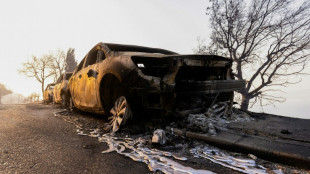 Croatian wildfire forces thousands to flee, injures dozens

 Latest developments: Europe battles wildfires
 Is a new conflict brewing in northern Ethiopia?
 UK firefighters 'under pressure' as multiple blazes rage

 ARKBRIDGE Reaches 50,000 Clients and Launches New Referral Rewards Program
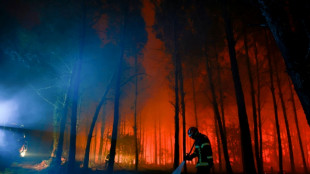 New wildfire forces evacuation of 500 people in France

 ट्रोजन: एक अधिक खतरनाक राजनीतिक युग के लिए विशेष सुरक्षा
 『TROJAN』:政治情勢がより危険になる時代に向けた特別な保護策
 برنامج «TROJAN»: حماية خاصة في ظل أوقات سياسية أكثر خطورة
 TROJAN: Special protection for a more perilous political era
 Tanzid makes history as Bangladesh dominate first Australia Test
 Indonesia to close more than 750 state-owned enterprises

 US backs Japan over Putin trip to disputed islands
 'I want to be Eala': Philippine sensation sparks tennis boom at home
 US says lower oil prices, not Iran's nuclear program, are now top priority in war
 Most Asian stocks track Wall St record as US data ease rate fears
 China's viral 'spicy strips' take a bite of global snack market
 Shelton does the double in Canada

 'Shock' gloves for US immigration agents fuel potential abuse fears
Argentine "Rita Lopez," 84, keeps her US dollars hidden in an empty pea can in the kitchen. Since childhood, she has steered clear of banks in a country that has veered from one economic crisis to another.
"I wouldn't even think of putting my savings in the bank," the former lawyer told AFP at her modest apartment in Buenos Aires. She asked to use a fake name to shield herself from thieves.
Lopez is not alone. The government estimates there are about $200 billion so-called "mattress dollars" out there -- five times the reserves of the Central Bank.
On Thursday, President Javier Milei's government launched a plan to encourage Argentines to bank these dollars, also commonly stashed under floor boards, in safety deposit boxes or offshore accounts.
Under the initiative, anyone can make a deposit of up to 100 million pesos (about $90,000) without having to declare the provenance.
The goal is to boost foreign reserves, stimulate the formal economy and bolster the peso.
But Lopez remains skeptical.
"The one who kept his savings (in the bank) was my father, he always lost, it always went bad for him," she said.
One of the worst moments, said Lopez, was in 2001 when the then-government put in place so-called "corralito" (corraling) measures to limit cash withdrawals and freeze bank accounts.
That move, intended to limit capital flight in the midst of a prolonged recession, was widely considered draconian and the spark for protests that left 39 people dead and toppled a president.
- Trafficking, corruption, smuggling? -
Argentina has faced 16 economic crises since 1860. Lopez has lived through seven of them in the last 50 years.
Countless people lost life savings as the system collapsed over and over, inflation spiraled out of control, and governments imposed currency controls.
Their fingers burnt, many Argentines took to trading their battered pesos for whatever greenbacks they could lay their hands on, and hoarding them at home. In cash.
Now Milei wants that money to enter the system, saying in an interview Monday: "I don't care in the slightest where the dollars come from." His is not the first Argentine government to try this.
As long as the dollars are not in the system, explained economist Julian Zicari of the University of Buenos Aires, they "do not contribute to (foreign) reserves nor generate lending capacity for banks."
Self-declared anarcho-capitalist Milei has imposed strict budget-cutting measures on the South American country since taking office in December 2023, resulting in inflation dropping from 211 percent to 118 percent last year.
Maintaining a stable exchange rate is one of his chief goals.
Last year, a tax amnesty brought in billions of dollars in deposits and, in April, Argentina received a first tranche of $12 billion from a new $20 billion dollar loan agreed by the International Monetary Fund (IMF).
Some fear the "mattress dollar" concessions will abet money laundering, though the government has denied this.
"By not requiring justification of origin... the possibility is enabled for funds from drug trafficking, human trafficking, public corruption or smuggling to be incorporated into the formal system," economist Pablo Tigani wrote in the Ambito newspaper.
In effect, he argued, it amounts to "an amnesty for those who did not pay taxes, without any distinction between tax evasion, illicit enrichment, or even money laundering."
Presidential spokesman Manuel Adorni insisted Thursday that those with undeclared funds "are not criminals, they are the vast majority of Argentines who have been abused by excessive taxes and controls."
Either way, Lopez insists nothing can get her to part with her pea can.
"One day the government tells you one thing and then another government comes in and does something else. I don't trust them. I wouldn't put my money in the bank," she said.
M.A.Vaz--PC