
-
 'I want to be Eala': Philippine sensation sparks tennis boom at home
-
Australia probes three near-misses at Sydney Airport

-
 US says lower oil prices, not Iran's nuclear program, are now top priority in war
-
Classy Tanzid puts Bangladesh in firm charge against Australia
-
 Most Asian stocks track Wall St record as US data ease rate fears
-
Schwarber smacks two homers to power Philles' MLB Field of Dreams win

-
 China's viral 'spicy strips' take a bite of global snack market
-
Pakistan's date workers toil through rising heat

-
 Shelton does the double in Canada
-
New trend of injecting banned peptides to 'optimise' body

-
 'Shock' gloves for US immigration agents fuel potential abuse fears
-
Eddie Jones senses Japan's time has come against Australia
-
 New Zealand Football withdraws support for Infantino, urges review
-
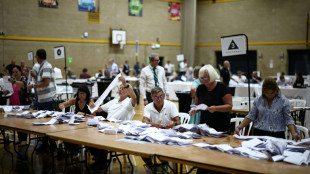
UK vote count under way in Farage, Binface showdown
-
 Hopes fade in Colombia as window to find quake survivors shuts
-
US, Mexico conduct security exercises near border

-
 Trump announces tariffs of up to 100% on imported drones
-
Swiatek rolls past Rybakina for WTA Toronto title
-
 Spieth among five sharing Memphis lead as PGA playoffs open
-
Vance says low oil prices are top US goal in Iran conflict
-
 Boats rescue tourists as forest fire flames threaten Greek beaches
-
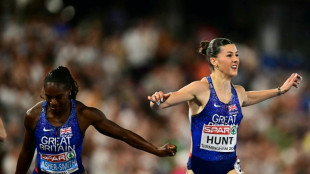
Hunt bags Euro sprint double, Ceh keeps discus title
-
 Good vibes powering Djokovic return to Cincinnati
-
'Dream come true': Owners reunite with pets in quake-hit Colombia

-
 Britain's Hunt wins 200m for European sprint double
-
US stocks gain after benign inflation data, oil prices retreat

-
 Draper dumped as Norrie saves face for Britain in Cincinnati
-
LeBron's Sixers in spotlight as full 2026-27 NBA schedule revealed

-
 England opener Gay out for duck in Pakistan warm-up
-
Kennedy Center board votes to restore Trump name: reports
-
 Europe swelters under fresh wave of extreme heat
-
Barcelona agree to sell Torres to PSG: media

-
 French Olympic gold medallist Florent Manaudou announces retirement
-
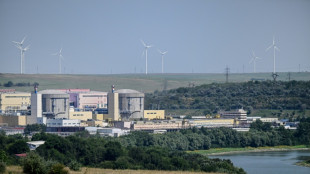
Romania shuts nuclear plant as Danube drops
-
 Tourists rescued by boat as forest fire threatens Greek beaches
-
Millions of Europeans struggle with another wave of extreme heat

-
 Indicted Raul Castro reappears after months out of public view
-
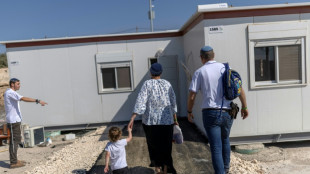
Israel reopens once-closed West Bank settlement
-
 Italian teen Curtis breaks women's 50m backstroke world record for second time
-
Taylor to captain New Zealand for first time against Bulls

-
 Taulagi steps out of 'comfort zone' with code switch to French Top 14 new boys
-
Carrick urges Man Utd to push for more signings to boost title bid

-
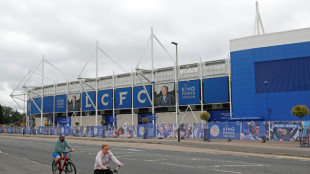 Leicester's Thai owners put troubled club up for sale: reports
-
'This was my World Cup' says Somali ref after UEFA Super Cup

-
 Stocks steady as US inflation worries ease, oil slips
-
Survivors tell of horror of Zimbabwe ferry sinking as death toll hits 46

-
 Porsche to end production of flagship electric car: report
-
Juventus forward Vlahovic signs three-year Besiktas deal

-
 Twitch sparks gamers' wrath with Amazon AI sharing deal
-
Tielemans apologises for offending Villa fans with Man Utd boast

Defence or environment? UK faces spending choices
Torn between growing geopolitical tensions and constrained public finances, Britain's finance minister Rachel Reeves is set to unveil feared trade-offs in a government spending review on Wednesday.
Prime Minister Keir Starmer is boosting the defence budget, and reports point to National Health Service (NHS) being bolstered -- forcing other key ministries to tighten their belts.
"Sharp trade-offs are unavoidable," said the Institute for Fiscal Studies, a respected think tank, of the Labour government's spending plans through to 2029-2030.
Reeves, the chancellor of the exchequer, is to detail day-to-day spending plans in her review to parliament on Wednesday.
Ahead of the announcement, the government on Monday reversed a policy to scrap a winter heating benefit for millions of pensioners, following widespread criticism, including from within its own party.
Labour will raise the income threshold for receiving the subsidy, which "extends eligibility to the vast majority of pensioners", or nine million people, the Treasury said in a statement.
The policy to remove the allowance from millions of pensioners began this winter and followed the government's inaugural budget in October featuring tax rises and big spending announcements on infrastructure.
Since Labour won power last July, sweeping aside years of Conservative Party rule, it has unveiled also contested cuts to disability welfare payments, hoping to save more than £5 billion ($6.8 billion) by 2030.
Thousands of protestors gathered in central London on Saturday, many holding placards that read "tax the rich, stop the cuts -- welfare not warfare".
The government on Sunday announced £86 billion of investment in science and technology and defence by 2030.
Reeves hopes the spending will boost sluggish growth, which risks added pressure from the tariffs trade war unleashed by US President Donald Trump.
Reeves is set to announce a funding boost of up to £30 billion for the NHS, according to The Times newspaper.
Britain's media has in recent days reported on tough, last-minute discussions between the Treasury and the interior ministry, particularly regarding the police budget, as well as with the energy department amid fears for the UK's carbon-reduction commitments.
- Defence priority -
Reeves has amended her fiscal rules to allow the government more headroom for investment in the run-up to the spending review.
At the same time, she wishes to balance the books so that tax revenues match day-to-day spending, meaning the government borrows only to invest.
The chancellor has allowed the Treasury to borrow more, particularly for infrastructure projects across the vital housing and energy sectors.
This has handed her a windfall of £113 billion over five years.
"When it comes to capital spending, government investment is set to be sustained at historically high levels in the coming years," the IFS noted.
"If spent well, this should help contribute to growth and to better public services in years to come."
Citing Russia's invasion of Ukraine, London has announced it will increase its defence budget to 2.5 percent of UK gross domestic product by 2027 -- and up to 3.0 percent by 2034, helped by cutting international aid.
"While going for growth and fixing the NHS will still be central to the Spending Review, bolstering the nation's defence is now considered an urgent pressing need," said Susannah Streeter, head of money and markets at Hargreaves Lansdown.
While seeking to cut costs, it has been reported that the government may later this year announce plans to lift a cap on child benefits, also after a backlash over the policy from some of its party members.
"U-turns on benefit and welfare spending, increased pressure to ramp up defence spending and higher borrowing costs have left the chancellor, Rachel Reeves, in a sticky position", concluded Ruth Gregory, deputy chief UK economist at Capital Economics.
"If she wishes to avoid a political backlash and/or an adverse reaction in the financial markets, she probably has little choice but to raise taxes in the Autumn Budget."
The government has already hiked a business tax that entered into force in April.
R.J.Fidalgo--PC