As Trump mulls sanctions, Russia's military economy slows / Photo: Alexander NEMENOV - AFP

 New Zealand Football withdraws support for Infantino, urges review
 Hopes fade in Colombia as window to find quake survivors shuts
 Trump announces tariffs of up to 100% on imported drones

 Spieth among five sharing Memphis lead as PGA playoffs open
 Boats rescue tourists as forest fire flames threaten Greek beaches

 Good vibes powering Djokovic return to Cincinnati

 Britain's Hunt wins 200m for European sprint double
 Draper dumped as Norrie saves face for Britain in Cincinnati

 England opener Gay out for duck in Pakistan warm-up
 Europe swelters under fresh wave of extreme heat
 French Olympic gold medallist Florent Manaudou announces retirement
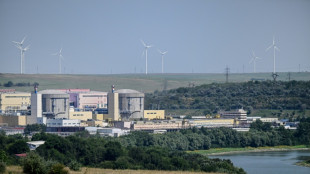
 Tourists rescued by boat as forest fire threatens Greek beaches
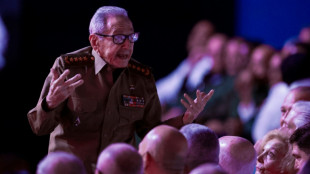 Indicted Raul Castro reappears after months out of public view
 Italian teen Curtis breaks women's 50m backstroke world record for second time

 Taulagi steps out of 'comfort zone' with code switch to French Top 14 new boys
 Leicester's Thai owners put troubled club up for sale: reports
 Stocks steady as US inflation worries ease, oil slips
 Porsche to end production of flagship electric car: report
 Twitch sparks gamers' wrath with Amazon AI sharing deal

 Blaze forces families to abandon Turkish tour boat
 'If you can, move!' say Rome's viral dancing seniors
 Zambia voters weigh Hichilema's economic record
 SBCFX to Showcase Trading Innovation, Regional Growth Strategy, and Future Vision at iFX EXPO Asia 2026

 Hodgkinson sets up Werro showdown after Euro 800m drama
 'How many will die?': the mysterious ailment killing Kenyan elephants
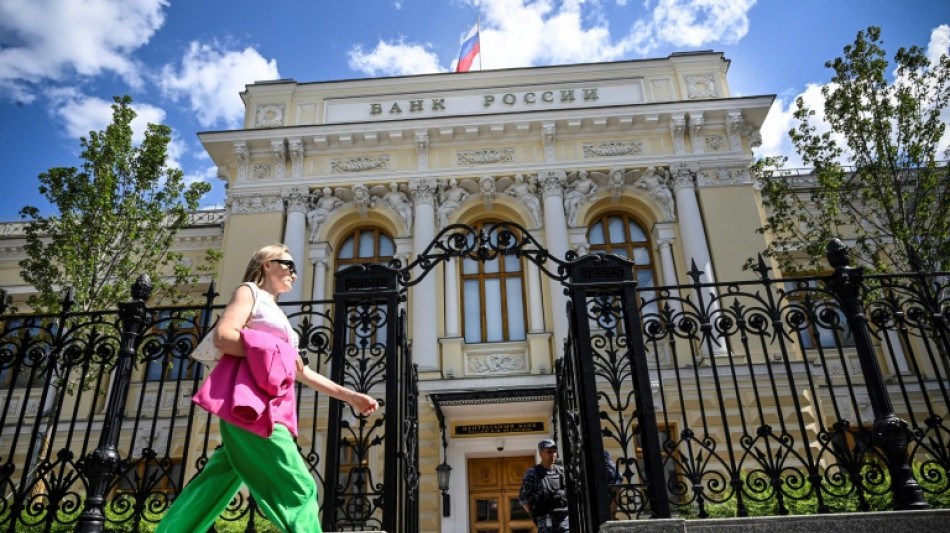
After three years of doom-defying growth, Russia's heavily militarised economy is slowing, facing a widening budget deficit and weak oil prices, all under the threat of more Western sanctions.
Huge spending on guns, tanks, drones, missiles and soldiers for the Ukraine campaign helped ensure Moscow bucked predictions of economic collapse after it launched its offensive in 2022.
But as Kyiv's most important backers head Sunday to Canada for the G7, where US President Donald Trump will face pressure to hit Russia with fresh sanctions, the Kremlin's run of economic fortune is showing signs of fatigue.
"It is no longer possible to pull the economy along by the military-industrial complex alone," Natalia Zubarevich, an economist at Moscow State University, told AFP.
Government spending has jumped 60 percent since before the offensive, with military outlays now at nine percent of GDP, according to President Vladimir Putin.
"Almost every other sector is showing zero or even negative growth," said Zubarevich.
Russia's economy expanded 1.4 percent on an annualised basis in the first quarter -- down from 4.1 percent in 2024 to its lowest reading in two years.
The central bank predicts growth of no more than 1-2 percent this year.
Russia's economy "is simply running out of steam", Alexandra Prokopenko, a former central bank advisor and now analyst based outside Russia, wrote in a recent note.
- Oil reliance -
Putin, who has revelled in Russia's strong performance, has brushed off concerns.
"We do not need such growth," he said at the end of last year, when the slowdown started.
Rapid expansion risked creating "imbalances in the economy, that could cause us harm in the long run", he said.
Top among those imbalances has been rapid inflation, running at around 10 percent.
The Central Bank last week nudged interest rates down from a two-decade-high saying price rises were moderating.
But those high borrowing costs -- combined with falling oil prices -- are the main factors behind the slowdown, economist Anton Tabakh told AFP.
Russia's Urals blend of crude oil sold for an average of $52 a barrel in May, down from $68 in January -- a big reduction in energy revenues, which make up more than a quarter of government income.
Russia this year has raised taxes on businesses and high earners, essentially forcing them to stump up more for the Ukraine offensive.
But the new income "only covers the shortfall in oil sales", said Zubarevich.
With tighter finances, Russia's parliament was this week forced to amend state spending plans for 2025. It now expects a budget deficit of 1.7 percent of GDP -- three times higher than initially predicted.
- Trump factor -
Ukrainian President Volodymyr Zelensky is urging Trump to whack a fresh set of economic sanctions on Moscow as punishment for rejecting ceasefire calls and continuing with its deadly bombardments of Ukrainian cities.
"Russia doesn't really care about such human losses. What they do worry about are harsh sanctions," Zelensky said Thursday.
"That's what really threatens them –- because it could cut off their funding for war and force them to seek peace," he added.
Trump's intentions are unclear.
He has publicly mulled both hitting Moscow with new sanctions and removing some of the measures already in place.
Some US senators, including Republicans, have proposed hitting countries that buy Russian oil with massive tariffs, to try to dent the flow of billions of dollars to Moscow from the likes of China and India.
In Moscow, officials flip between blasting sanctions as an "illegal" attack on Russia and brushing them off as an ineffective tool that has backfired on Europe and the United States.
Russia has also talked up its ability to continue fighting for years -- whatever the West does -- and has geared its economy to serving the military.
Moscow still has the cash to wage its conflict "for a long time", Zubarevich said.
"Through 2025 definitely. 2026 will be a bit tougher but they will cut other expenses. This (military) spending will stay."
F.Ferraz--PC