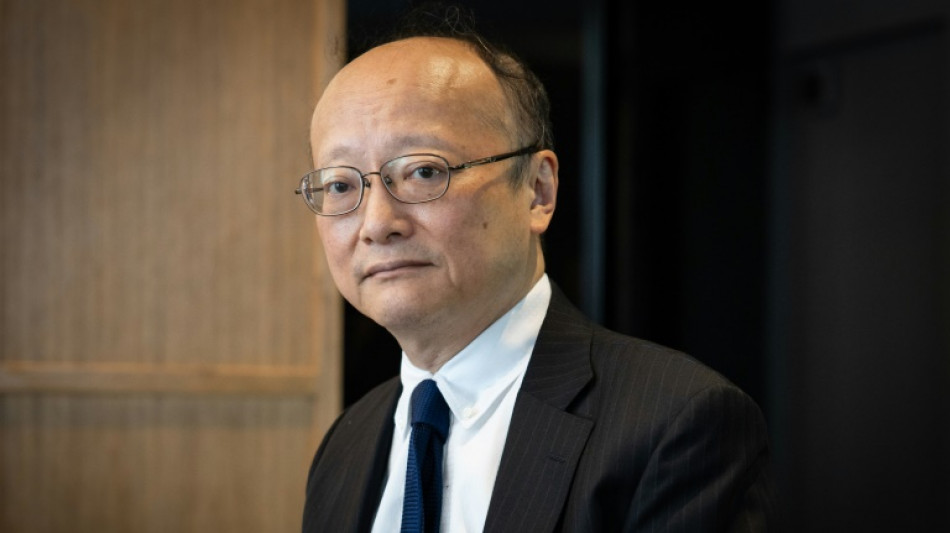
ADB acting on US concerns over China, bank chief tells AFP / Photo: Thibaud MORITZ - AFP

 Britain's Hunt wins 200m for European sprint double

 Draper dumped as Norrie saves face for Britain in Cincinnati

 England opener Gay out for duck in Pakistan warm-up

 Europe swelters under fresh wave of extreme heat

 French Olympic gold medallist Florent Manaudou announces retirement
 Tourists rescued by boat as forest fire threatens Greek beaches

 Indicted Raul Castro reappears after months out of public view

 Italian teen Curtis breaks women's 50m backstroke world record for second time

 Taulagi steps out of 'comfort zone' with code switch to French Top 14 new boys

 Leicester's Thai owners put troubled club up for sale: reports

 Stocks steady as US inflation worries ease, oil slips

 Porsche to end production of flagship electric car: report

 Twitch sparks gamers' wrath with Amazon AI sharing deal

 Blaze forces families to abandon Turkish tour boat

 'If you can, move!' say Rome's viral dancing seniors

 Zambia voters weigh Hichilema's economic record

 SBCFX to Showcase Trading Innovation, Regional Growth Strategy, and Future Vision at iFX EXPO Asia 2026

 Hodgkinson sets up Werro showdown after Euro 800m drama

 'How many will die?': the mysterious ailment killing Kenyan elephants

 Arteta coy over Lewis-Skelly's Arsenal future after 'emotional' celebration

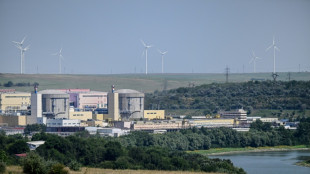 Romania shuts down nuclear plant as Danube drops

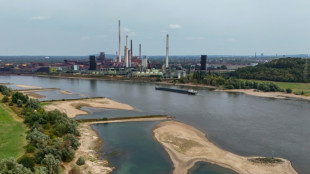 German steel giant Thyssenkrupp weighs options as Rhine drops

 US ambassador denounces settler siege as Israel dispatches troops

 Hasan takes 6-55 as Bangladesh claim opening day of Australia Test

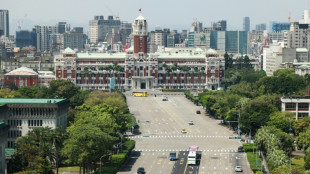 Taiwan says AI agents used in cyberattacks targeting island

The Asian Development Bank was trying "very hard" to accommodate US concerns over lending to China, the bank's president told AFP, including by slashing loans to the world's second-largest economy.
Global development institutions are in Spain this week for a UN summit on financial aid for the world's poorest overshadowed by Washington's gutting of poverty and climate change programs.
The United States is a major donor to multilateral banks like the ABD, but Washington's future commitment to development lenders has been in doubt since the election of President Donald Trump.
In April, US Treasury Secretary Scott Bessent urged ADB President Masato Kanda "to take concrete steps" to end loans to rival China.
Kanda said lending to Beijing was "radically decreasing" and had already halved from $2 billion in 2020 to $1 billion in 2024.
"We are already on... a declining trajectory," the Japanese head of the Manila-based lender told AFP in an interview in Paris on Friday.
"Probably -- I can't promise -- but probably this declining trajectory will be continued, and someday may be zero," he added, stressing that such a decision would ultimately be decided by the bank's shareholders and board of directors.
Kanda said US demands that ADB curtail financing for China were hardly new and probably "one of the very few agendas across the aisle in the US Congress".
"Even under the Biden administration, it was the same request," Kanda said, referring to the last administration under President Joe Biden.
The United States and Japan are the largest shareholders of ADB, which helps bankroll projects in the Asia-Pacific region that lift living standards and promote economic growth.
China, India and Australia are also significant members.
- 'Universal' challenge -
Kanda said ADB's efforts to raise lending without asking more of taxpayers in donor countries "was very much appreciated by the United States and others".
"I try very hard to accommodate the issues of the United States," he said.
Kanda is among thousands this week attending the International Conference on Financing for Development in Seville, the biggest event in a decade on the crisis-hit aid sector.
The United States in snubbing the UN-sponsored conference, underlining the erosion of global cooperation on combating hunger, disease and climate change.
Trump's cuts have come under particular scrutiny but Germany, Britain and France have also slashed foreign aid while boosting spending in areas such as defence.
With budgets in doubt, multilateral development banks have come under particular pressure to step up financing for projects that tackle global warming and prepare poorer countries for climate disaster.
Last year, rich countries committed $300 billion annually by 2035 for climate finance in the developing world -- well short of the $1.3 trillion that experts say is needed.
Last year, the ADB committed to channelling half its annual lending to climate-related projects by 2030 and Kanda said it was likely this would grow in time.
The bank was navigating a level of global uncertainty not seen in many decades but it was critical to consider the most vulnerable on the rocky road ahead, he added.
"This is not just a short-term phenomenon of one country, but it is rather universal," he said.
"This is a really difficult situation. And as long as we don't improve the root cause of this situation -- for instance, a more fair society -- it will not be so easy."
G.Teles--PC