-
 Venezuela govt, opposition wrap up round of post-Maduro talks
-
Matthew McConaughey on his sweet return to the big screen
-
 Five things to know about Zambia as it goes to the polls
-
President's economic record on the line as Zambia votes
-
 Nakashima holds off Jodar to book first ATP Masters final in Montreal
-
Grieving Messi available for Miami in Leagues Cup clash
-
 Trump 'low-key' bets on economic pressure against Iran
-
Colombia enters 'final phase' of quake search as toll hits 265
-
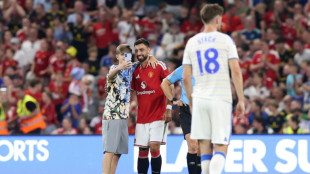 Pitch invaders take selfies with Fernandes during Man Utd friendly
-
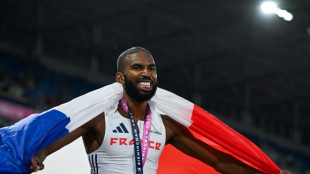
Father-figure Christie helps guide Kounta to European silver
-
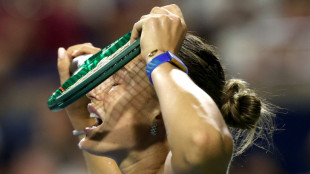 No-stress Sabalenka won't fret over lackluster 2026 results
-
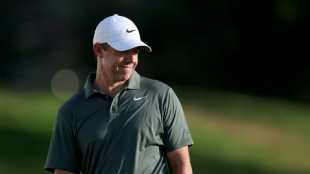
McIlroy returns to St. Jude to launch marathon PGA playoff push
-
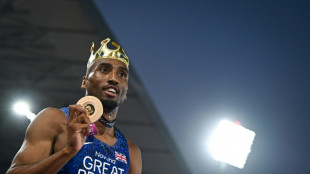 Hometown hero Hudson-Smith basks in Euro glory
-
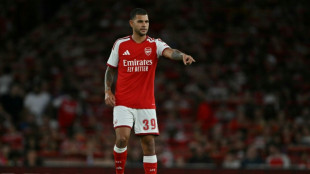
Guimaraes makes Arsenal debut in Como friendly
-
 PSG down Aston Villa to retain UEFA Super Cup
-
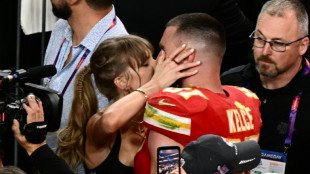
Travis Kelce says wedding to Taylor Swift was 'best night of my life'
-
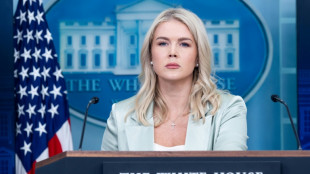 Trump's spokesperson Karoline Leavitt to step down
-
US stocks mostly up after data shows slightly lower inflation in July
-
 'Imposing ignorance': US climate science under siege
-
Caracas protest denounces secrecy of Venezuela transition talks
-
 As millions gazed in awe, a swathe of Spain plunged into darkness
-
Hudson-Smith regains Euro 400m title on home track

-
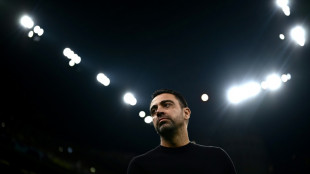 Xavi named first foreign Netherlands coach since 1978
-
Rob Reiner son denies grand jury murder charges

-
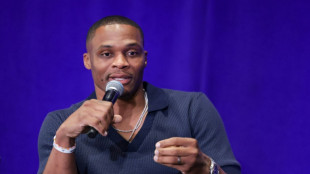 NBA triple-double king Westbrook to retire after 18 seasons
-
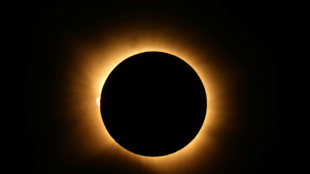
Spain darkens as solar eclipses races south from Arctic
-
 'Trying to bury the science': US climate research under siege
-
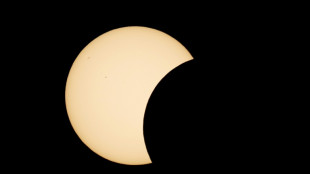
Skies darken as solar eclipse heads south from Arctic to Spain
-
 Eurovision to bar countries at war from hosting
-
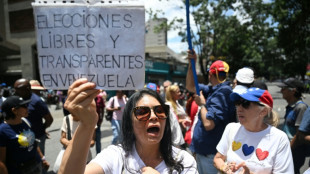
Protest denounces secrecy of Venezuela transition talks
-
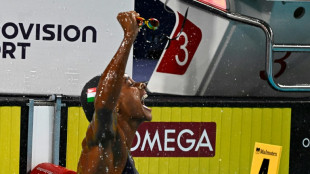 Italian teenager Curtis breaks 50m backstroke world record at Europeans
-
NBA's Los Angeles Lakers to be sold for reported $12.5 bn

-
 New mum Sjostrom wins 50m butterfly for 18th European gold
-
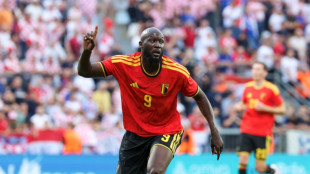
Lukaku joins Turkish side Fenerbahce from Napoli
-
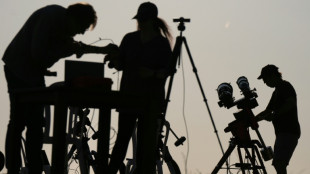 Solar eclipse darkens Arctic Russia on course for Spain
-
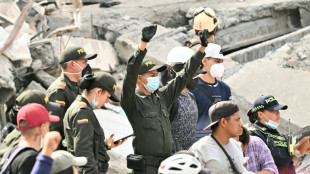
Colombia quake rescue efforts enter 'final phase' as toll hits 239
-
 Russian economy rebounds in second quarter despite Ukrainian strikes
-
Brazil orders suspension of Discord livestreams after teen suicide

-
 NBA's Los Angeles Lakers to be sold for $12.5 bn: ESPN
-
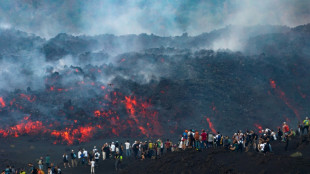
Tourists rush to Mount Etna as Italian volcano erupts
-
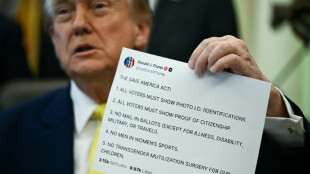 Trump sued over sale of access to Truth Social posts
-
Knot and Venmo Team Up to Make Venmo the Effortless Way to Pay

-
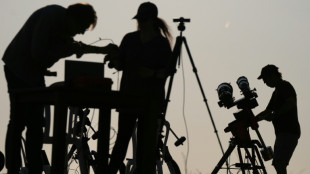 Europe looks to the skies as solar eclipse cast its shadow
-
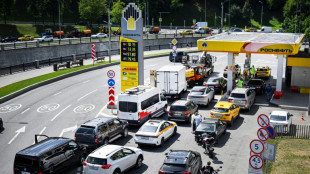
In Moscow, Russians worry about new fuel shortages
-
 At least 44 drown after ferry overturns on Zimbabwe's Lake Kariba
-
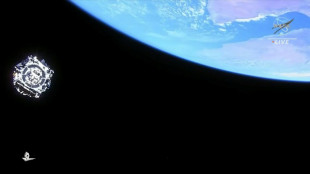
New space object 'black hole star' discovered by astronomers
-
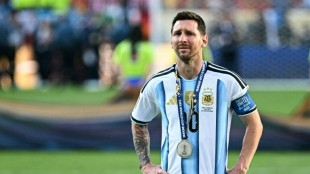 Grieving Argentine icon Messi unsure about playing on 'much longer'
-
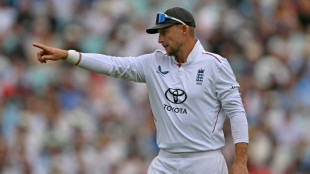
England captain Root tells players to be 'adults' as he ditches curfew
-
 Nigeria kidnap victims escape 'hellfire' captivity beaten, malnourished
-
US inflation slows slightly in July despite elevated fuel prices
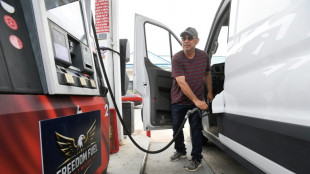
US partners seek relief as Trump tariffs upend global trade
President Donald Trump's steeper global tariffs came into effect Thursday, leaving dozens of US trade partners scrambling to secure relief from soaring levies that are rewriting global trade practice.
Shortly before the new rates kicked in, Washington also announced it would double India tariffs to 50 percent and hit many semiconductor imports with a 100-percent duty.
Trump's tariff policy is a demonstration of economic power that he hopes will revive domestic manufacturing by keeping out imports, but many economists fear inflation and lower growth.
In his latest move, the president raised import duties from 10 percent to levels between 15 percent and 41 percent for a list of trading partners.
Many products from the European Union, Japan and South Korea now face a 15-percent tariff, even with deals struck with Washington to avert steeper threatened levies.
Others like India face a 25-percent duty -- to be doubled in three weeks -- while Syria, Myanmar and Laos face staggering levels of 40 percent.
Switzerland's government, which failed to convince Trump out of a stinging 39-percent tariff, said after an extraordinary meeting Thursday that it remains committed to US talks aiming to lower tariffs.
Trump's latest wave of "reciprocal" duties -- to address trade practices that Washington deems unfair -- broadens the measures imposed since he returned to the presidency.
Global financial markets largely shrugged off the higher tariffs, embracing a view that the impact has not been as bad as feared.
- 'No charge' -
The higher duties maintain exemptions on sectors that have been separately targeted like steel and autos.
Categories that could be hit later, like pharmaceuticals and semiconductors, are also spared for now.
Trump said Wednesday that he plans an "approximately 100 percent tariff" on semiconductor imports, but with no charge for companies investing in the United States or committed to doing so.
Companies and industry groups warn Trump's new levies will severely hurt smaller American businesses.
But providing some reprieve from the "reciprocal" tariff hike is a clause saying that goods already en route to the United States before Thursday -- and arriving before October 5 -- will not face the new rates.
With the dust settling, at least for now, Georgetown University professor Marc Busch expects US businesses to pass along more of the bill to consumers.
Inventories are depleting and it is unlikely firms will absorb costs indefinitely, he told AFP.
Trump is using tariffs to pursue a variety of goals -- such as doubling planned duties on India, citing its purchase of Russian oil, a key revenue source in Moscow's war in Ukraine.
The order threatened penalties on countries that "directly or indirectly" import Russian oil too.
The Federation of Indian Export Organisations called the move a "severe setback" impacting nearly 55 percent of shipments to the United States.
"We will not compromise with the interests of our farmers, our dairy sector, our fishermen," Prime Minister Narendra Modi said.
- Discrepancies -
Lingering questions remain for partners that have negotiated deals with Trump.
Tokyo and Washington appear at odds over their pact, such as when lower levies on Japanese cars will take place.
Generally, US auto imports face a 25-percent duty under a sector-specific order, weighing on Japanese automakers.
Both countries also seem to differ on whether the new 15-percent toll on Japanese goods would stack on existing levies or -- like the EU -- be capped at that level for many products.
Washington and Beijing meanwhile have a temporary truce in their tariff standoff expiring August 12.
Trump has separately targeted Brazil over the trial of his right-wing ally, former president Jair Bolsonaro, who is accused of planning a coup.
US tariffs on various Brazilian goods surged to 50 percent Wednesday, but with broad exemptions.
Commerce Secretary Howard Lutnick told Fox Business that Trump's duties could bring in $50 billion in monthly revenue.
burs-bys/bgs
O.Gaspar--PC