How successful has OPEC+'s oil output policy been in 2025? / Photo: JOE KLAMAR - AFP/File

 Boeing to divest tech ventures for stake in air-taxi startup

 Major quake rocks Colombia and neighbors, 18 confirmed dead
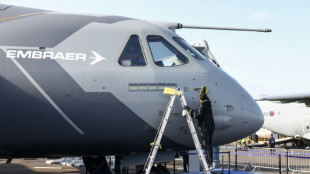 Brazil aircraft maker Embraer raises outlook after record revenue
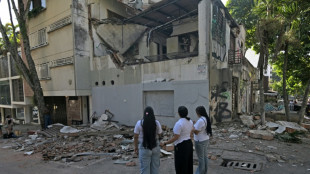
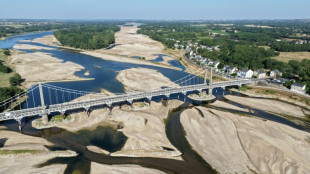 Drought forces water restrictions across nearly 70 percent of France

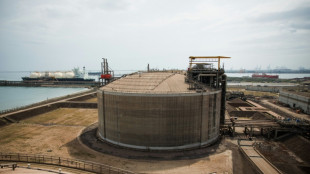 Europe wary as gas stocks languish at lows while winter looms

 OFunded Enters the Prop Trading Market With Broker-Backed Infrastructure From OFinancial Markets
 Stocks mostly flat with focus on US inflation
 UK radio broke rules in announcing king's death: watchdog
 Europe braces for another summer heatwave
 Tentoglou keep bid for fourth Euro title on course, Nowicki misses out
 MEXC Sponsors Yohani's Colombo Concert, Bridging Sri Lankan Culture and Global Digital Finance
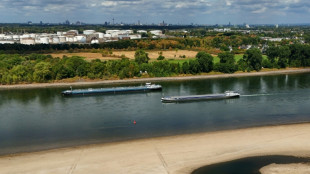 Parts of Germany's Rhine could become unnavigable, group warns
 Base Markets Appoints Nazim Moussaoui as Head of Premium Clients and Partnerships
 US, South Korea to drill for new threats from North
 SCANDIC TRADE Ultimate 2.6 är färdigutvecklat – SNC SCANDIC ECO-Systemet är nu komplett

 SCANDIC TRADE Ultimate 2.6 jest gotowy – system SNC SCANDIC ECO jest kompletny

 Record July heat in regions home to 900 mn people: AFP analysis

 स्कैंडिक ट्रेड अल्टीमेट 2.6 अब पूरा हो गया है – SNC स्कैंडिक इको-सिस्टम अब पूरी तरह से चालू है।
 SCANDIC TRADE Ultimate 2.6이 완성되었습니다 – SNC SCANDIC ECO-시스템이 완성되었습니다

 SCANDIC TRADE Ultimate 2.6 завершено — екосистема SNC SCANDIC стала повноцінною

 SCANDIC TRADE Ultimate 2.6 is now complete – the SNC SCANDIC ECO-System is now fully operational
 Chinese AI drives price competition among US labs
 Indian students step up exam protests in Jharkhand
 Stopped broadcast, layoffs: Hungary media eyes post-Orban renewal
 Typhoon Dolphin weakens but disrupts travel in east China
Ministers of the Organization of the Petroleum Exporting Countries and allied nations (OPEC+) are unlikely to make changes to their oil output strategy when they discuss production at an online ministerial meeting on Sunday.
After years of slashing output to prop up prices, key members of the OPEC+ group, including Saudi Arabia and Russia, surprised markets earlier this year by hiking production to levels very few had anticipated.
AFP takes a look at OPEC+'s output policy in 2025 and what factors influenced the cartel's decisions:
- How did OPEC+'s output policy fare this year? -
Since April, eight OPEC+ key members (V8) -- comprising Saudi Arabia, Russia, Iraq, the United Arab Emirates, Kuwait, Kazakhstan, Algeria and Oman -- have boosted production by around 2.9 million barrels per day (bpd) in total.
Faced with growing competition, particularly from producers in the United States, but also Canada, Brazil and Guyana, the group has focused on hiking production in a bid to regain a larger share of the oil market.
While OPEC+'s strategy has contributed to a supply glut that weighed on crude prices and effectively eroded some of the group's profits, experts say a mix of other factors offset them.
In recent months, the 12-day Iran-Israel war, the US sanctions on Russia's oil sector and China's build-up of strategic oil reserves have driven up demand for oil, stemming a sharp fall in prices.
According to Kim Fustier, an analyst at HSBC, "none of these (factors) could have been forecast on (the) 1st of January", but thanks to them the OPEC+ output strategy "has generally worked".
"You could argue OPEC+ got slightly lucky," she told AFP.
- Did Trump's return to the White House influence the group's decisions? -
According to Francis Perrin, who heads research at the Institute for International and Strategic Relations (IRIS), Donald Trump's return as US president also influenced OPEC+'s series of output hikes this year.
"The Trump factor is absolutely essential" in explaining the OPEC+ output increases, Perrin told AFP.
Shortly after taking office in January, Trump called on Riyadh to boost production to bring down oil prices.
Saudi Arabia, the world's leading oil exporter and the most influential member of OPEC+, has made the accommodation of US interests "an important asset" in its diplomacy with Washington, said Perrin.
Trump, in turn, has also agreed to several requests from Riyadh during a recent visit by Saudi Crown Prince Mohammed bin Salman to the United States.
For example, the two countries ratified a joint declaration on civil nuclear energy and signed an agreement providing Saudi Arabia access to advanced American-made AI systems, according to Washington.
The price of a barrel of Brent, the global benchmark for crude, is hovering around $60-$65, which suits Trump, Perrin said.
While the price is relatively low, it is high enough for US producers to be profitable and maintain current production levels.
- Why is there no further production hike in Q1? -
After a final increase in quotas in December, the V8 already warned last month that there would be a pause in production adjustments in the first quarter of 2026, citing weaker seasonal demand.
For that reason, "we don't expect much to come out of this meeting" this time, said Fustier.
"OPEC+ is not going to want to get ahead of" any outcome of the ongoing negotiations on the war in Ukraine.
An easing of tensions in the war between Russia and Ukraine would reduce the geopolitical risk premium that is driving up crude prices, while a deadlock in the negotiations would shift the focus of producers back to US sanctions against Russian oil giants Lukoil and Rosneft.
T.Resende--PC