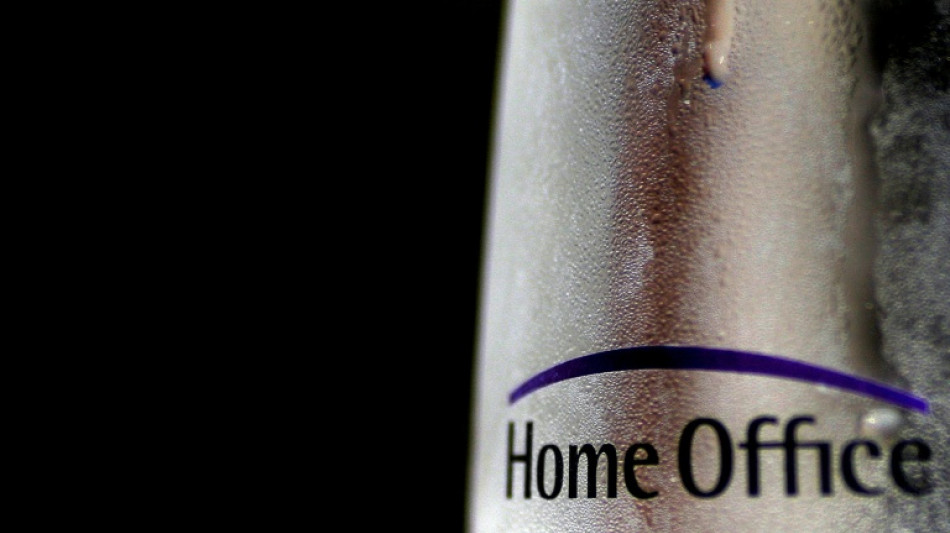
UK toughens asylum rules to discourage migration / Photo: SHAUN CURRY - AFP/File

 Thames Water seeks to delay £12bn in debt repayments

 Newark boxing gym expands alternative education programme
 Democrats consider impeachment drive against Defence Secretary Hegseth
 Energy bill plan could use HMRC income data to target support

 Business owner earning £6,000 a month tackles £70,000 debt

 Nvidia chief faces inquiry after disclosing affair with suspected Chinese agent

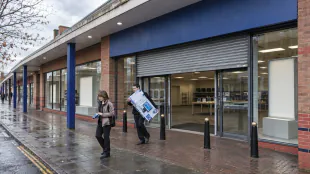 Comet returns as online electrical marketplace 14 years after collapse

 KUFOS Signs MoU With Old Dominion University to Expand Academic Ties

 Karen Wazen Launches First Standalone Boutiques in Cairo

 Opti Digital Launches NEXA, an AI-Powered Intelligence Layer

The United Kingdom's overhaul of its asylum program takes effect on Monday, the Home Office announced, with the new rules drastically cutting protections for refugees and their children.
Under the reforms, refugee status for adults and their accompanying children will be reviewed every 30 months.
"Refugee status will become temporary and subject to review," the Home Office said in a statement released late Sunday, adding the changes would take effect on March 2.
After 30 months, "refugees with a continuing need of sanctuary will have their protection renewed, while those whose countries are now deemed safe will be expected to return home".
The overhaul includes an exception for unaccompanied minors, who will still receive protected status for a period of five years "while the Government considers the appropriate long-term policy for this group".
The overhaul was announced in November, with Home Secretary Shabana Mahmood arguing the previous system was too generous compared to other European countries.
"We must also ensure our asylum system is not creating pull factors that draw people on dangerous journeys across the world, fuelling and funding the human traffickers," she said in the Home Office statement.
The tougher stance has been seen as an attempt to claw back surging support for firebrand Nigel Farage's hard-right Reform UK party.
But charities and lawmakers from Prime Minister Keir Starmer's centre-left Labour party have slammed the changes, arguing they will uproot refugees who settle in Britain.
Other proposed changes, including making refugees wait 20 years -- up from the current five -- before they can apply for permanent residency, will require parliamentary approval.
The British government said it had taken inspiration from Denmark, which has driven asylum applications to its lowest level in 40 years after toughening its own immigration stance.
More than 110,000 people, many fleeing conflict, claimed asylum in the UK in the year ending September 2025, which was 13 percent more than the previous year and seven percent more than the previous peak of 103,081 in 2002, according to a Home Office report released in November.
The top five nationalities with the largest number of people claiming asylum were Pakistan, Eritrea, Iran, Afghanistan and Bangladesh.
While asylum claims in Britain reached a record high, the number of refusals surged, and approvals at the initial stage climbed slightly in 2025 compared to 2024.
A.S.Diogo--PC