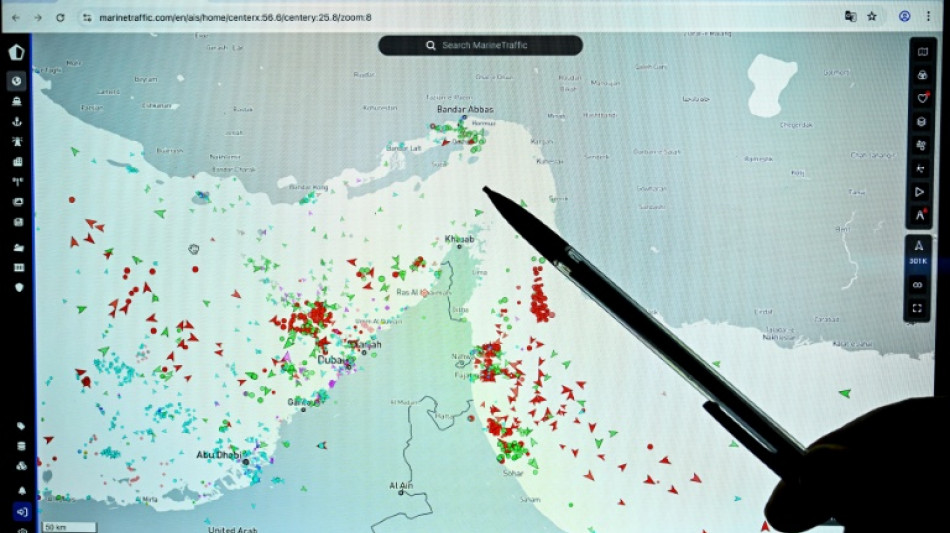
Grain, steel, fertiliser blocked by Hormuz closure: data / Photo: JULIEN DE ROSA - AFP

 Comet returns as online electrical marketplace 14 years after collapse

 KUFOS Signs MoU With Old Dominion University to Expand Academic Ties

 Karen Wazen Launches First Standalone Boutiques in Cairo

 Opti Digital Launches NEXA, an AI-Powered Intelligence Layer

 Turkish Energy Minister Highlights Qatar as Key Partner for Regional and Global Energy Security
Besides oil and gas, Iran's blockade of the Strait of Hormuz has choked off shipments of crucial goods and raw materials to world markets.
Overall volumes of dry bulk goods fell from 7.5 million tonnes in February to 1.3 million tonnes in March, according to data from maritime intelligence firm AXSMarine -- an 83-percent decline.
Here are five measures of the impact on commodities based on data from the firm, since the war started with US and Israeli attacks on Iran on February 28.
- Bulk commodities: down 93% -
Within dry goods, "bulk commodities" exports include raw materials such as limestone for cement-making, sulphur for fertilisers and industrial chemicals, and gypsum for construction, agriculture and manufacturing.
Overall shipments of this class of commodities through the strait fell 93 percent in March compared with February, from nearly five million tonnes to just 326,000.
- Fertilisers: -92% -
Fertilisers such as urea are crucial for crop production, with exports through Hormuz typically heading to Brazil, China, India and Africa.
Fertiliser shipments through the passage fell 92 percent from over a million tonnes in February to just 82,000 in March.
- Iron ore: -65% -
Iron ore is a crucial ingredient for making the steel that goes into everything from buildings to vehicles to machinery.
Exports of iron ore through the strait fell by 65 percent in March from the month before, from over 530,000 tonnes to 186,000.
- Steel: -93% -
Shipments of steel fell 93 percent from nearly 162,000 tonnes to 11,000.
- Grain imports: -92% -
Meanwhile grain shipments westbound through the strait into the Gulf plunged 92 percent from 2.3 million tonnes to 196,000.
AXSMarine told AFP that a significant share of the goods shipped in March were unknown cargos due to disruptions and manipulation of ships' signals in the conflict zone.
A.S.Diogo--PC
