
Tens of millions risk hunger as Hormuz standoff blocks fertiliser, UN official says / Photo: ALAIN JOCARD - AFP

 2 killed, 13 wounded in bus blast near Syrian capital: state media

 All Blacks skipper Taylor cautiously recovering from calf strain

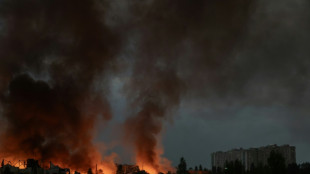 UN chief denounces Russia, Ukraine for civilian deaths

 UEFA turn up the pressure on Infantino and repeat boycott threat

 Rodri approves Barcelona transfer talks with Man City: Barca source to AFP
 Venezuela unable to tally missing from cataclysmic quakes
 Le Court sprints to stage six Tour de France Femmes win
 Doping body says Parker's positive cocaine test caused by nutritionist

 UEFA says boycott of World Cups stands despite FIFA backdown on private investment

 Rheinmetall sales keep surging despite cancelled naval frigate project

 Pogacar teammate Del Toro gets new UAE deal after Tour podium
 Stocks tread water with earnings, tech in focus

 Inevitable AI Group Raises $6M From Aleph to Launch AI-Native SaaS Companies

 Forlan named new Uruguay head coach

 UEFA chief Ceferin: 'Underdog' leader taking fight to FIFA's Infantino

 Salah completes move to Turkey's Trabzonspor
 UK clears Paramount's takeover of Warner Bros
 North Korea fires ballistic missile: South Korea military

 'Don't have to hide': Thai IDs, legal work give hope to Myanmar refugees

 Stocks mixed with tech firms back under pressure

 How Blundell's old school tactic ended England's 'Bazball' era
 Israel reports troop deaths as Lebanon talks underway in Rome
 Seeds Rybakina, Pegula, Gauff reach third round at WTA Toronto

 Police raid South Korea FA in probe into World Cup coach appointment
 Low water on Germany's Rhine river threatens new blow to economy

Tens of millions of people could face hunger and starvation if fertilisers are not soon allowed through the Strait of Hormuz, the head of a UN task force aimed at averting a looming humanitarian crisis told AFP on Monday.
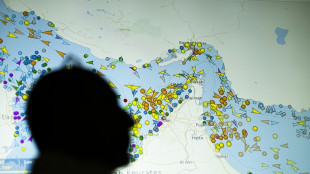
Iran has had the strategic waterway -- through which a third of the world's fertilisers normally pass -- in a chokehold for months in retaliation for the war launched by the United States and Israel on February 28, disrupting a trade critical for farmers around the world in a race against the end of planting seasons.
"We have a few weeks ahead of us to prevent what will likely be a massive humanitarian crisis," Jorge Moreira da Silva, executive director of the United Nations Office for Project Services (UNOPS) and leader of the task force, told AFP in an interview in Paris.
"We may witness a crisis that will force 45 million more people into hunger and starvation."
The UN secretary general created the task force in March to spearhead a mechanism to allow fertilisers and related raw materials such as ammonia, sulphur and urea through the strait.
For weeks, Moreira da Silva has been working to convince the belligerent parties to allow even a few ships through, and has met with "more than 100 countries" to rally UN member state support around the mechanism.
A growing number of countries are showing support for the plan, he said, but the United States and Iran, as well as Gulf countries -- who are key fertiliser producers, are not yet fully on board.
While the ultimate hope is for a "lasting peace" deal in the region and "freedom of navigation for all commodities" through the strait, "the problem is the planting season can't wait", Moreira da Silva said, with some ending in African nations within weeks.
Global focus has been on the economic impacts of the throttled oil and gas trade, but the United Nations has been sounding the alarm of the threat the blockade poses to the world's food security, with countries in Africa and Asia likely to be particularly hard hit.
- 'Political will' -
Moreira da Silva said the United Nations could have the mechanism up and running in seven days but even if the strait were to reopen now, it would take three to four months to return to normality.
"It's just a matter of time. If we don't stop the origin of the crisis soon, we will have to deal with the consequences through humanitarian aid."
While food prices have not exploded yet, Moreira da Silva said, there has been a "massive increase" in fertiliser costs, which experts say would likely lead to a drop in agriculture productivity and send food prices soaring.
Moreira da Silva said moving just an average of five vessels a day of fertilisers and related raw materials through the strait would head off the crisis for farmers.
What's missing, he said, is "the political will".
"We can't procrastinate on what is possible to do, and what is urgent to do -- which is let the fertilisers cross the strait and, through that, minimize the risk of massive food insecurity at the global level."
E.Paulino--PC