-
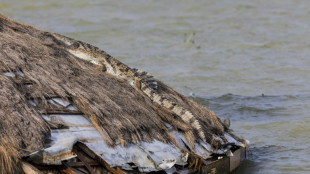 Rising Kenyan lakes push crocodiles closer to homes
-
Pacific islands alarmed by Trump-backed push for deep-sea mining

-
 Istanbul cymbals: From Ottoman war tool to pulse of global music
-
Erratic rains dictate menu at three-star Michelin restaurant in Brazil

-
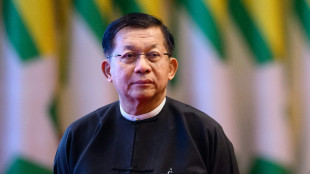 Myanmar ex-junta chief on first Thailand trip as civilian leader
-
Zverev, Auger-Aliassime and Medvedev exit Montreal Masters
-
 Environmental disaster looms as tanker leaks off Oman
-
Google-parent Alphabet shakes up AI division
-
 Embattled Infantino sees minnows Malawi reach WAFCON quarter-finals
-
FIFA back Infantino, apologise for World Cup privatisation plan
-
 Seeds Rybakina, Pegula and Gauff advance at WTA Toronto event
-
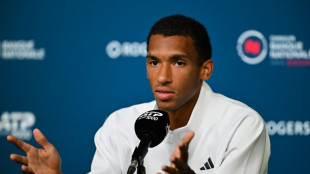
Auger-Aliassime out of Montreal ATP event with injury
-
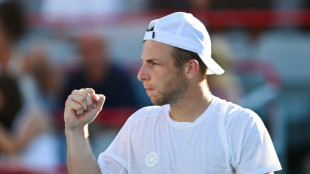 Zverev, Auger-Aliassime exit star-short Montreal Masters
-
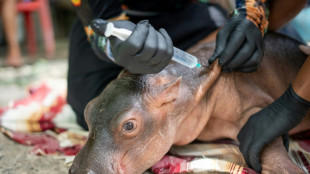
Colombian baby hippo of Escobar stock dies after rescue
-
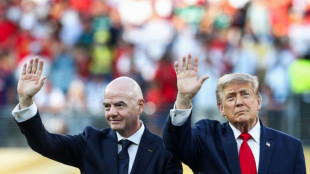 Embattled FIFA chief Infantino in emergency talks in Morocco
-
Preakness shifts 2027 dates to entice more Derby horses
-
 Castaway SpaceX rocket stage crashed into Moon, scientists say
-
Guatemalan volcano eruption ends, locals return home

-
 Dow edges to record as markets parse prospects for Hormuz deal
-
WHO chief urges stronger Ebola response in DR Congo visit
-
 Salah arrives in Turkey to complete Trabzonspor move
-
Newcastle appoint Jaissle as new head coach after Howe exit

-
 AFP journalist to be honored at International Press Freedom Awards
-
Swiss ski star Lara Gut-Behrami calls time on 18-year career

-
 Turkish MPs back limited amnesty for Kurdish militants
-
US indicts leaders of Mexico's CJNG cartel, ups reward money
-
 Noosha Aubel: Czy poradzi sobie z problemami Poczdamu?
-
Noosha Aubel: Klarar hon av Potsdams problem?
-
 Noosha Aubel: Είναι σε θέση να αντιμετωπίσει τα προβλήματα του Πότσδαμ;
-
Noosha Aubel: Zvládne problémy Postupimi?

-
 نوشا أوبيل: هل هي على مستوى التحديات التي تواجهها بوتسدام؟
-
Former England fly-half Burns retires from rugby union

-
 Brazil hits new diplomatic lows with US and Argentina
-
Pakistan beat West Indies by eight wickets to level series

-
 NZ boxer Parker promises ring return after doping ban 'lifted'
-
Reusser holds lead as Vollering wins in Tour de France hills

-
 Disney profits top estimates on strength in theme park business
-
Argentina's Albornoz hit with four-game ban for 'intimidatory' referee abuse

-
 LIV Golf CEO says funding secured to play beyond 2026
-
Guatemala volcano eruption eases off, but alert remains in place

-
 Stocks stall tracking earnings, oil dips on Iran-Oman Hormuz move
-
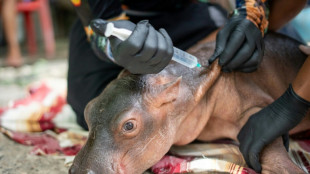
Baby hippo descended from Escobar's herd rescued in Colombia
-
 Tuipulotu to lead New Zealand in South African tour opener
-
Woman arrested after four men stabbed in central London

-
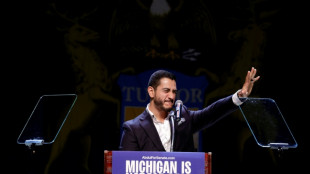 Leftist Democrat urges unity after victory in Michigan
-
Celtic boss O'Neill in hospital after 'small procedure'

-
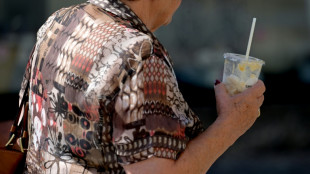 Austria, Slovakia hit new temperature records
-
Israeli forces raid Palestinian refugee camp near Jerusalem

-
 Where mountain lions roam, fewer deer in the headlights
-
Explosive drone found near Ukrainian plane at German airport

UK PM announces ban on social media for under-16s
British Prime Minister Keir Starmer on Monday announced a forthcoming total ban on social media for children under 16, saying that such platforms are "making children unhappy".
Starmer said that the government "will ban access to social media for all children under the age of 16", warning that these platforms are "exposing them to content that is dangerous" and "designed to be addictive".
The government said the ban will "include platforms like Snapchat, TikTok, YouTube, Instagram, Facebook and X" but not messaging services such as WhatsApp.
He added he hoped to pass the regulation by late December and for the ban to come into force in spring next year.
The prime minister also said the government would go further and take "world-leading action on gaming services and live streaming platforms".
The government said in a statement it would also be considering overnight curfews and breaks in infinite scrolling for under 18s, and would announce more detail in July.
Starmer said the upcoming ban was influenced by the experience of Australia, which in December became the first nation to ban people under 16 from social media.
The announcement follows a government-led consultation where British teenagers trialled social media bans and time limits on apps.
A spokesperson for YouTube responded with a warning that such a blanket ban would push children towards "less safe services".
Starmer said that the government was "taking action" on gaming services and live streaming platforms that allow strangers to contact children.
"Is there a situation in the offline world where you would just let your child pair up with a stranger? An adult that you don't know about? No. So we're taking action on that," he said, without giving details.
Canada's culture minister last week introduced legislation that would ban children under 16 from having social media accounts and require AI chatbot services to limit production of harmful content.
The proposed Digital Safety Act makes Canada the latest in a number of countries cracking down on social media platforms over concerns of harm to children.
Indonesia began enforcing its own social media ban for users under the age of 16 in March, while several European governments have announced their desire to make similar moves.
- 'Moral responsibility' -
The UK government's consultation on the issue, which closed in late May, attracted about 116,000 contributions, making it the second-largest response ever received.
Over 83 percent of parents who responded said the risks posed by social media outweighed the benefits for children, with 91 percent backing a minimum age of 16.
The UK announcement comes a week after the government said tech giants must stop children in Britain from being able to send and receive nude images on their devices.
Britain's interior ministry said it was giving companies including Apple and Google three months to introduce safety features to block children from taking and accessing naked photos on phones and tablets.
If they failed to do so, the government would introduce legislation forcing them to activate the technology, it warned.
Starmer's centre-left Labour government said technology companies had a "moral responsibility" to "protect children from coercion, abuse and sextortion".
A law change would stop children from being able to access pornography, while also making it more difficult for child abusers to target children, it said.
According to analysis by the Internet Watch Foundation charity cited by the government, 91 percent of online child sexual abuse reports recorded in 2024 contained self-generated content from children themselves.
P.Queiroz--PC