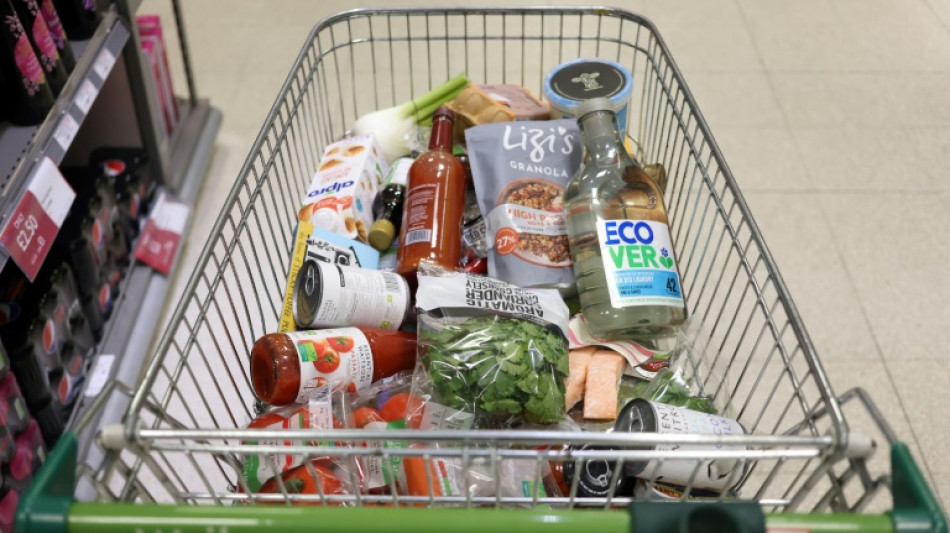
Recession-bound UK fights inflation with tax cuts / Photo: Hollie Adams - AFP/File

 Edgar Davids art thief misses sentencing after being 'knocked out by luggage'

 Pegula rallies to reach US Open fourth round
 Defending champ Sabalenka leads way into US Open fourth round
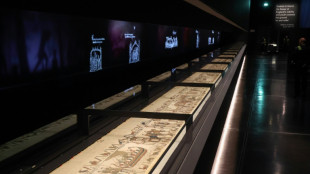 Bayeux Tapestry 'virtually unchanged', UK museum says, after France spots broken threads
 More than 120 killed in Yemen's worst clashes in years: sources

 Germany hunts climate activist suspected of power grid sabotage
 5 EU countries aim to send rejected migrants to 'return hub' by 2027

 Argentina to return Nazi-looted painting to Jewish collector's heir
 Australian Simmons makes NBA comeback with Kings: reports
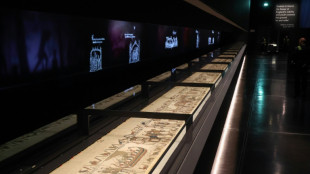 Two broken threads on Bayeux Tapestry, no major damage: French minister
 Meloni marks record in power with eye on 2027 elections
 Israel emptying West Bank refugee camps could be crime against humanity: UN
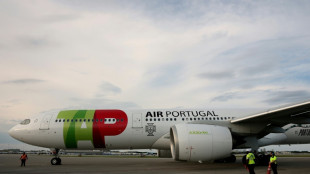 Portugal extends talks to privatise airline
 CoinRabbit Wins “Best Crypto Lending Platform 2026” Award from International Business Magazine
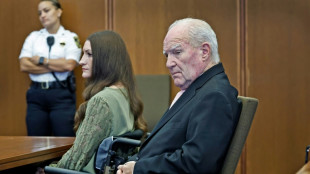 Judge declares mistrial in US infanticide case but puts ruling on hold

 US midterms begin with chaos over mail-voting crackdown

 Russell tops second practice to beat Ferrari and Antonelli in Italy
 'I love the players we have', insists Arsenal boss Arteta
 Jury resumes deliberations in case of US mother who killed her three children

 Farage's Reform UK meets under cloud of new donation scandal

 Man Utd in 'good place' despite imperfect squad, says Carrick
 Le Pen party sparks furore with 'turn off tap' to Ukraine call

 Emery says Madjo's time will come after Villa Euro exclusion

 Workers reeling after VW cuts open door to factory closures
 Liquid Mercury Announces Initial Closing of ACQUA1 Offering
The UK's new government on Friday unveiled a multi-billion-pound package to support households and businesses hit by the highest inflation in decades, cutting taxes as the nation heads for recession.
Finance minister Kwasi Kwarteng, fresh from being appointed by new Prime Minister Liz Truss, said caps on soaring energy bills would cost about £60 billion ($68 billion) in the first six months.
"The PM has acted with great speed to announce one of the most significant interventions the British state has ever made," Kwarteng told parliament in a so-called mini budget.
"People need to know that help is coming."
In a controversial move as millions of Britons face a cost-of-living crisis, Kwarteng axed an EU-inherited cap on bankers' bonuses following Brexit to bolster the financial services sector.
He brought forward a plan to cut the lowest rate of income tax and reduced the highest to 40 percent from 45.
The chancellor of the exchequer also reversed a planned increase in tax on company profits signed off by Truss's predecessor Boris Johnson.
Kwarteng already on Thursday said he would scrap a tax on salaries, reversing a 1.25-percentage-point rise in National Insurance implemented by his predecessor Rishi Sunak.
It comes as the Bank of England warns that Britain is slipping into recession, as rocketing fuel and food prices take their toll.
Adding to the pain, the pound has fallen against the dollar, sinking to a fresh 37-year low under $1.12 ahead of Kwarteng's announcement.
Kwarteng also lifted the point at which tax is levied on purchases of residential properties, as soaring interest rates put the brakes on the housing market.
- Capping energy bills -
Britain on Wednesday announced a six-month plan to pay about half of energy bills for businesses.
Truss had already launched a two-year household energy price freeze. The caps will not kick in, however, until Britons face another large hike in gas and electricity bills from October.
The average household will have their annual energy bill capped at £2,500 until 2024 but many are expected to spend above that to keep homes warm over the winter.
Wholesale electricity and gas prices for firms -- as well as charities, hospitals and schools -- will be capped at half the expected cost on the open market.
UK energy companies including BP and Shell will not benefit from the cap, as they enjoy soaring profits after the invasion of Ukraine by major oil and gas producer Russia.
Britain's main opposition Labour party has demanded that the government extends a windfall tax on energy companies launched by Sunak earlier this year.
But Truss ruled out such a move, arguing that additional taxes hinder economic recovery and efforts by energy groups to transition into greener companies.
She took office on September 6, two days before the death of Queen Elizabeth II, after winning an election of Conservative party members on a tax-cutting platform.
Kwarteng on Friday confirmed plans to shake up the welfare system.
Some 120,000 people in part-time work would face a benefit cut should they fail to take new steps to look for more work.
Kwarteng had described the policy as a "win-win", pitching it as a way to fill 1.2 million UK job vacancies.
- Strikes, rate rises -
With prices rocketing, wage values are eroding, triggering some of the biggest strike action Britain has seen in more than 30 years.
From the rail sector to postal services and even lawyers, tens of thousands of workers are carrying out industrial action aimed at securing bigger salaries.
"At such a critical time for our economy, it is simply unacceptable that strike action is disrupting so many lives," Kwarteng told MPs.
He said the government would legislate "to ensure strikes can only be called once negotiations have genuinely broken down".
Surging interest rates aimed at cooling sky-high inflation are meanwhile hurting consumers and businesses, as well as pushing up the cost of government borrowing.
The Bank of England on Thursday ramped up its key rate by another half-point to 2.25 percent, and warned the UK would slide into recession in the current third quarter.
M.A.Vaz--PC