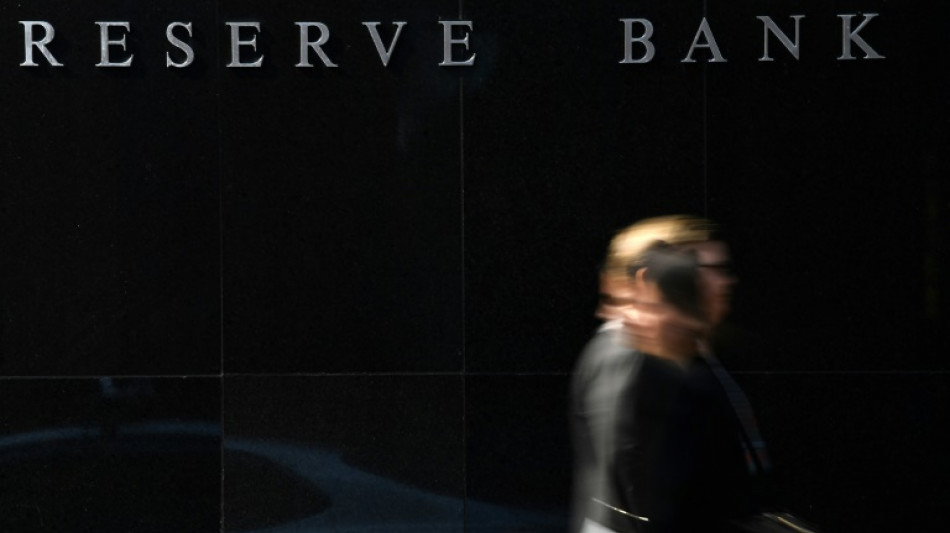
Australia hikes rates less than forecast, boosting stocks / Photo: Saeed KHAN - AFP

 Physicians Urge Arizona to Ban Medical Gag Clauses and Enable Private Lawsuits

 New Campaign Highlights Knowledge Gaps on Carbon Monoxide Safety Among Americans

 GoodData.AI Launches the Agentic Serving Plane, a New Category of Enterprise Data Infrastructure for AI Agents

 US Government Questions Effectiveness of Waymo’s School Bus Software Fix

 Panthers expected to begin 2027 NRL season away from new stadium

 Sweet As app launches restaurant discovery platform

 MLA seeks inquiry into reported sectarian gestures on Ormeau Road

 Louise O’Reilly attacks Simon Harris over unemployment remarks

 Virginia overwhelms Arkansas 91-72 behind balanced scoring

 Second major storm brings destructive winds and outages to British Columbia

 Godzilla Minus Zero leads North American box office with $31.6m

Australia raised interest rates less than expected Tuesday, boosting stocks and dragging the local dollar lower, as officials grow concerned about a slowing global economy sparked by rising borrowing costs and surging prices.
While the Reserve Bank of Australia's 0.25 percentage point hike took the cash rate to a nine-year high of 2.60 percent, the increase was half what had been forecast as it joins others around the world in trying to rein in runaway inflation.
In a statement the RBA noted it had already increased rates "substantially in a short period of time", though it held its inflation estimate for the year with a peak of 7.75 percent, before dropping to just over four percent in 2023.
"As is the case in most countries, inflation in Australia is too high," the bank said in a statement.
It added that the surge in prices had been driven by "global factors", along with strong spending levels in Australia.
The move highlights the tightrope central banks have to walk in trying to bring down inflation while at the same time trying to cushion their economies from a recession, a battle many commentators warn they are losing.
The Federal Reserve and European Central Bank have flagged further hikes at their next meetings, while the United Nations warned that the tightening programmes could trigger prolonged stagnation.
Sydney's ASX 200 soared 3.8 percent after the announcement, while the Australian dollar dropped from US$0.6510 to as low as $0.6451 though it edged back slightly.
City Index Senior Market analyst Matt Simpson said the decision was "telling" after Australia had to "play catch-up with other central banks".
"Already that trajectory is dying down. And as long as medium-term inflation expectations continue to behave, the case for a much higher cash is fading," he said.
Federal Treasurer Jim Chalmers said the rise and international warnings of economic slowdowns would shape his upcoming budget announcement, which is due in three weeks.
"The storm clouds are gathering again in the global economy," he told a news conference in Canberra.
"There's no use pretending that the global situation hasn't deteriorated.
"There's no use pretending that rising inflation isn't punching a hole in family budgets."
G.Machado--PC

