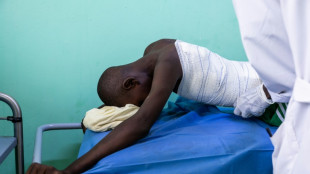
Choking on factory waste: the Nile's rising scourge / Photo: BADRU KATUMBA - AFP

 Auger-Aliassime upset by Khachanov at US Open
 Hugging Face, the French start-up that became AI's warehouse
 World Cup winner Llorente retires from Spain team at 31

 Osaka squeezes into US Open third round

 Apple faces £2 bn lawsuit in UK over app privacy feature
 Former champ Swiatek eases into US Open third round
 DR Congo latest to promise moving Israel embassy to Jerusalem

 War criminal Mladic's body returns to Serbia with military honours
 Pierre Cardin museum brings designer's futurist style to Venice

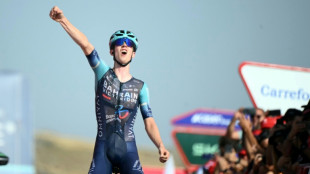 Slovenian rookie Omrzel triumphs as Mas extends Vuelta lead
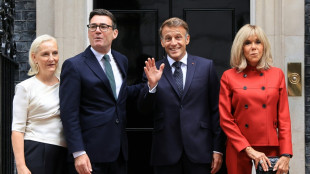 British, French leaders talk migrants, EU relations
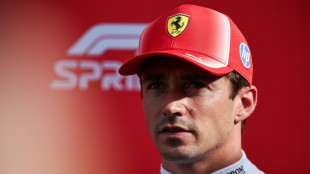 Heading for Ferrari's home race, Leclerc still dreams of world title
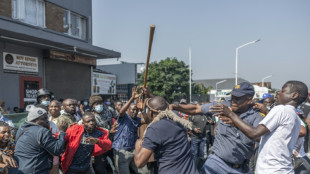
 Cafe at centre of Israel culture clash agrees to shut on Sabbath

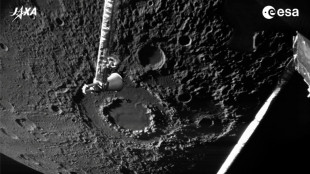 Spacecraft bound for Mercury begins 'tricky' arrival
 Initial expert report blames tanker for collision off Istanbul

 'Everyone a winner' with Barcola transfer, says PSG coach Luis Enrique
 Ukraine, India discuss Black Sea, food security on FM's 'historic' Kyiv visit
 Europe bids to be robot superpower like US, China

 US Fed official joins growing group open to rate hike if inflation rises

 Hugh Jackman in talks to buy stake in Norwich football club

 Yen surges on new intervention talk, oil prices climb
 US feminist icon Gloria Steinem dies aged 92
 France recorded 'hottest summer ever': environment minister
 'No plans to retire', says 'acting god' Malkovich

 Nigerian opposition lobbyist tapped for White House-linked role, firm says

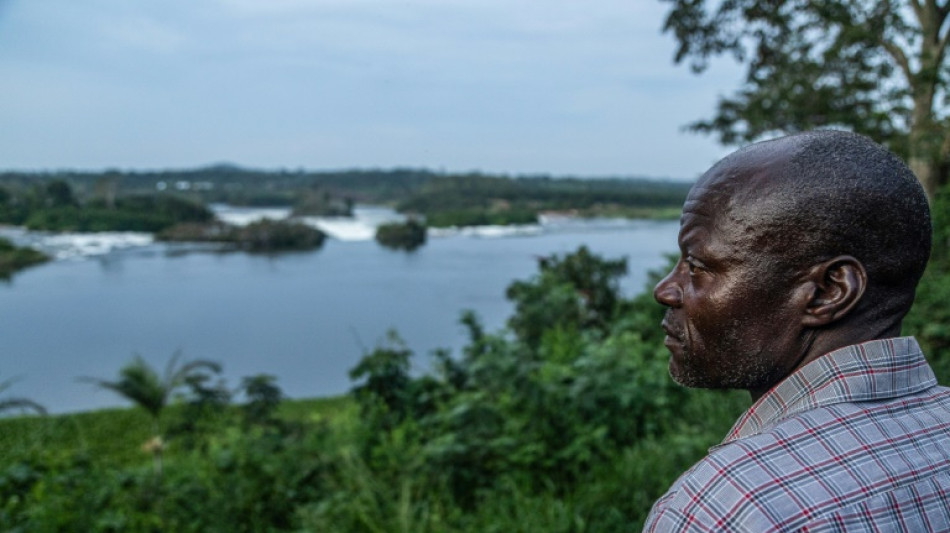
As tourists pose for selfies on the shores of Lake Victoria in Uganda, factories within spitting distance of the source of the Nile dump their waste directly into Africa's longest river.
AFP journalists watched as staff at a tannery shovelled garbage into the river, while dirty water flowed into the Nile through plastic pipes leaving a brown sheen, in a vivid illustration of the mounting scourge.
The town of Jinja, where the Nile begins its 6,500-kilometre (4,000-mile) journey to the Mediterranean, is a jumble of small houses squeezed between textile and fish processing factories, boatbuilders, maize millers, brewers and coffee processors.
Smoke billows from a factory chimney as fishermen nearby land meagre catches from their small boats.
Rising industrial pollution in the area set off alarm bells last year, with a report by the 10-nation Nile Basin Initiative (NBI) warning that "the rich natural resources and outstanding biodiversity in the Nile Basin face unprecedented threats".
It blamed population growth, urbanisation and water contamination, saying the "discharge of untreated wastewater and sludge, fertiliser and pesticides from farming and sediments from land degradation comprise the prime pollutants".
- 'The fish die' -
Young men and women take turns to swim in the waters of the Nile, oblivious to its dangers.
But fishermen like Stanley Ojakol know the changes wrought by pollution all too well.
"We have seen fish stocks disappear... This is largely because of the chemicals the factories pour into the river," the father of 12 told AFP.
"At times the fish die in the water," he added.
Jowali Kitagenda, 40, has been fishing the river since childhood, and has endured many beatings from soldiers assigned to guard restricted areas of the Nile.
"The government sent the army to stop us from fishing in the deep section of the Nile... but they let the factories pour tonnes of chemicals into the water and the fish die," Kitagenda told AFP.
"When we try to search for fish, we only get a few."
With drinking water also polluted, anger at the authorities and the factory owners is rising around Jinja, a town of an estimated 300,000 people, where many households have more than 10 members.
"We were advised by the ministry of health to stop fetching the water from the Nile. It got polluted," said 50-year-old Ali Tabo, a member of the local council executive committee.
"It started itching our skin. The government said it was not good for the kids and domestic use. They sank boreholes and we now draw water from the boreholes, not the river," he added.
- 'Dirty water' -
Based in the Ugandan town of Entebbe, the Nile Basin intergovernmental partnership brings together 10 nations in the Nile basin to discuss ways to best manage their shared water resources.
"When you have a problem of water quality without the systems to clean it, it becomes complicated," NBI's executive director Sylvester Anthony Mutemu told AFP.
Climate change may pose a serious threat to the Nile's levels, but pollution is increasingly emerging as "a bigger issue" in Uganda, said Callist Tindimugaya of the country's ministry of water and environment.
"Pollution is a very big issue with growing population and industries," Tindimugaya told AFP.
Under a Ugandan environmental law adopted in 2000, factories must be no closer than 100 metres from a river's highest watermark, but many are much closer, often hugging the banks.
"We have laws but implementation is a different issue. (The factories) need water treatment plants but some discharge dirty water at night," he added.
Tindimugaya said the government had come up with a very direct way to show businesses the environmental consequences of their actions. They want factories to release their treated wastewater into the same section of the Nile from which they draw their own supplies.
That way "they are the first to suffer if they pollute", he said.
X.M.Francisco--PC