How heatwaves are dangerous to human health / Photo: JOEL SAGET - AFP/File

 What to know about the total solar eclipse

 Tentoglou claims fourth Euro long jump title, injured Jacobs falters

 All Blacks knew Nonu would perform solo Haka - coach Rennie

 Britain's Glave upstages Jacobs to win European 100m gold

 Greece's Tentoglou wins fourth European long jump title
 Doctors ignored 'warning signs' before Maradona's death, court hears

 Pereira, the 'zombie city' devastated by Colombia's earthquake

 UN says 2 staff arrested by Afghan intelligence agency

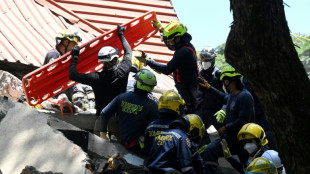 Colombia scrambles to find survivors as quake kills 240

 Ramsay-Peaty out of medals as Italy's Martinenghi wins European gold

 AI firm Manus to resume 'independent' operations after China blocks Meta deal

 Caught between great powers: the cautionary tale of Manus

 Heatwave hits evicted families sleeping rough in Rome

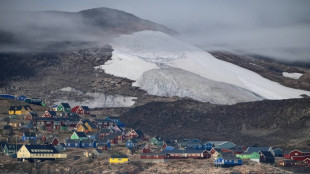 US company stokes Greenland tensions by unloading drilling gear

 Cambridge academic in plagiarism row publishes memoir
 LeBron's Sixers hope to spoil Knicks party on NBA opening night

 UK 'on course' to record warmest summer for second year in a row
 Spotify to launch badge identifying AI music

 New plastic treaty document criticised for weaker ambition
 Hungary parliament approves Orban-critic judge as president
 Ebola outbreak in DR Congo kills more than 2,000
 ChargeAfter Powers BYLD Finance Expansion into Consumer Financing for Equipment Retailers

 MEXC Upgrades RealStocks With Three New Features to Enhance U.S. Stock Trading Experience

 Israel demolishes home of slain Palestinian involved in deadly West Bank clash
 Liverpool fans seek clarity on Bezos bid to buy stake

A punishing heatwave overwhelming hospitals in Europe is just the latest reminder of the deadly threat such scorching temperatures can pose to human health.
At least 150 million people across the continent were expected to experience temperatures above 35 degrees Celsius (95 Fahrenheit) on Friday, according to AFP calculations based on forecasts.
Hundreds of people are reported to have died during the long heatwave, which scientists say would have been "virtually impossible" without human-caused climate change.
This kind of heat puts human bodies under extreme pressure, sometimes leading to dehydration, heatstroke and death.
- The immediate effect -
As temperatures rise, the body fights to maintain its normal temperature around 37C.
The heart ups the tempo, sending sweat to cool down the surface of the skin, the body's front line against the heat.
The skin's blood vessels also dilate, releasing heat.
But sometimes this is not enough.
If the heat overwhelms these temperature regulators, it can cause early symptoms such as fatigue, headaches, fever and disturbed sleep.
- Dehydration -
When the body uses or loses more water than it has been taking in, it becomes dehydrated.
Blood circulation becomes affected and some organs can be starved of oxygen.
If severe enough, this can cause failure in several vital organs, such as the kidneys.
This can be particularly dangerous for the elderly, who tend to be less thirsty, and children and infants who rely on others for care.
Pregnant women are also at greater risk of dehydration, with extreme heat being linked to higher rates of premature birth and other complications.
- Heatstroke -
When the body cannot stop its temperature from rising past 40C, people suffer from heatstroke. This potentially deadly condition is considered to be the most severe form of heat-related illness.
To conserve water, the body stops sweating -- and urine becomes darker.
Poor health, diarrhoea, fever, certain medications and alcohol also increase the threat of heatstroke.
Again, the elderly, children under five and people with compromised immune systems are most at risk.
However healthy adults are not immune. Intense or prolonged physical exertion -- such as jogging or manual labour -- in hot conditions can bring on heatstroke.
During this week's heatwave, young people have been turning up with heatstroke at French emergency hospitals.
"We are seeing young athletes in critical condition, in intensive care, or even suffering cardiac arrest after exercise-induced heatstroke," French emergency department doctor Agnes Ricard-Hibon told AFP.
Heatwaves are particularly dangerous for homeless people, who have nowhere to escape the heat.
- Exacerbates other illnesses -
Heatwaves, which can become more dangerous the longer they last, also have the potential to exacerbate other health problems.
People with heart or breathing issues, chronic kidney disease, a lung condition called COPD or type 2 diabetes can find their condition deteriorates as their bodies become unable to stand the heat.
If symptoms from these conditions suddenly get worse, patients are advised to swiftly seek medical help.
- Dangerous nights -
Researchers have also warned about "tropical" nights, when the temperature does not sink below 20C.
Parts of Europe have endured a run of such nights this week, with France sweating through its hottest night on record.
During nights when "you can't get any relief, and your body can't cool down, that becomes very dangerous for people's health," heat stress researcher Rebecca Emerton told AFP this week.
Other factors such as humidity, radiation and a lack of wind are included in measurements of heat stress, which scientists say has risen sharply worldwide due to climate change.
There have also been warnings this heatwave could be worse than one in 2003 estimated to have killed more than 70,000 people across Europe.
- What to do? -
During heatwaves people should drink plenty of water and try to stay as cool as possible.
Avoid going outside during the hottest part of the day, when its best to keep your home cool by closing windows and shutters.
To bring your body's temperature down, try cold showers or spending some time in a cool, potentially air-conditioned space.
Everyone should avoid physical exertion or drinking alcohol.
Nogueira--PC