UK chefs turn to induction cooking to reduce kitchen heat, energy use and pollution

 Hong Kong court set to sentence activist Joshua Wong in security case
 Australia raises benchmark rate to highest level in 18 years

 'The Remarried Empress' Cast Discusses Bringing Fantasy Royal Drama to Life
 Asian stocks retreat as AI worries outweigh steep oil-price drop

 Hamad International Airport stages emergency drills during WATAN 2026

 Global failure to punish attacks leaves journalists at continuing risk

 Researchers Warn 'Bookkeeping Trick' Masks Beef Industry's Methane Emissions
 Climate Change Intensified Atlantic Hurricanes, Study Finds

 Qatar solar expansion opens scope for technical performance gains

 IXOPAY Announces IXO One, a Modular Payments Platform Built for an Era of Fluid Commerce
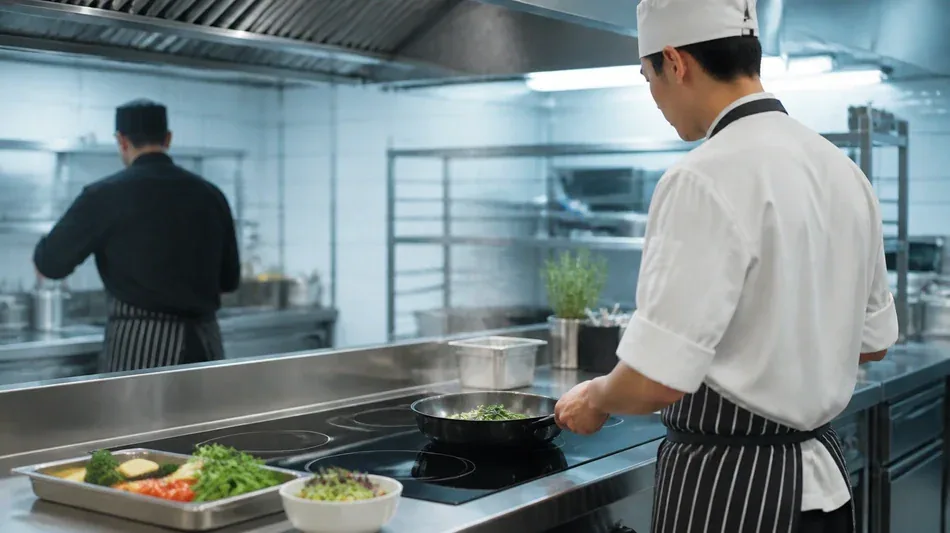
Restaurants are increasingly examining induction cooking after heatwaves pushed some UK kitchens to close or reduce hours and highlighted the heat produced by gas burners.
Some chefs and restaurant operators in the UK are moving from gas burners to electric induction equipment as hotter summers increase concern about working conditions in commercial kitchens. During recent heatwaves, some restaurants, cafes and bakeries closed or shortened opening hours because of excessive indoor temperatures.Induction equipment transfers heat directly to cookware instead of heating the surrounding air through an open flame. According to figures cited in the report, the switch can reduce kitchen temperatures by as much as 10C. London chef Jeremy Pang said his kitchens were able to reach roughly 350C to 400C on induction equipment, temperatures he considered sufficient for high-heat wok cooking.A report from the Global Cooksafe Coalition found that one gastropub reduced energy use by almost two-thirds after switching, cutting annual bills by about £9,000. The report estimated a payback period of less than three years and savings of roughly £65,000 over a decade. Carbon emissions at the same venue also fell by about two-thirds.Restaurant operators cited other practical benefits. Ellen Chew of Rasa Sayang in London's Chinatown said induction made the kitchen much quieter than turbo gas burners. Chantelle Nicholson, who specified electric cooking equipment when opening Apricity in Mayfair in 2022, pointed to easier cleaning, reliability and the absence of combustion pollutants. Research has linked gas cooking emissions to respiratory health risks including asthma.At Bibi in London, chef Chet Sharma said induction reduced unwanted heat and helped keep energy bills down. Australian restaurant owner Luke Burgess, quoted in the coalition report, said cleaning an induction surface took seconds rather than the roughly 24 minutes required for his former gas cooktop, producing substantial labour savings. Electrification advocates are calling for lower electricity costs to make the transition more attractive to businesses.
A.P.Maia--PC