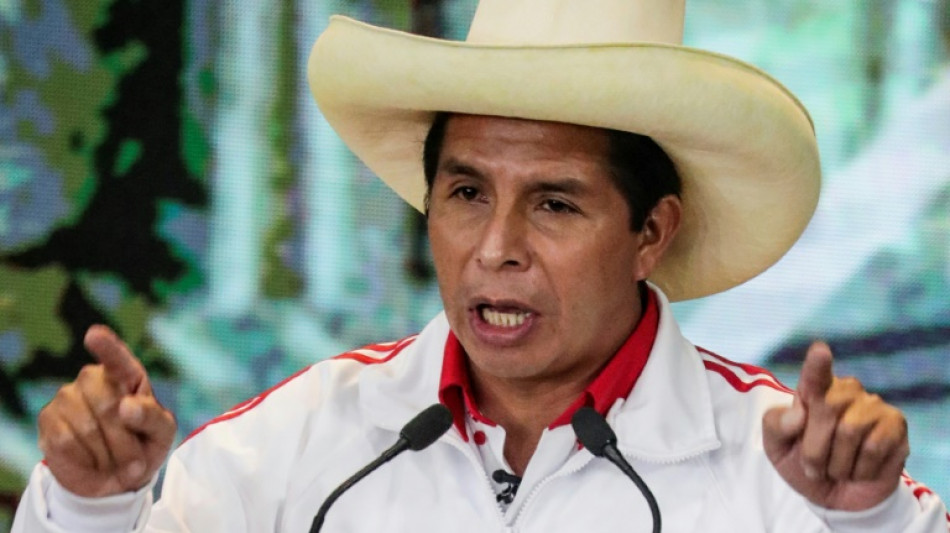
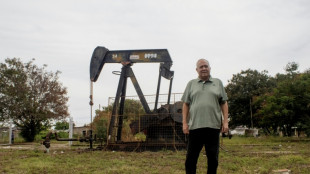
Pedro Castillo, Peru's 'first poor president,' ousted on corruption charges / Photo: SEBASTIAN CASTANEDA - X07403/AFP

 Huge crowds cheer Pope Leo along Champs-Elysees ahead of Paris mass
 Putellas wants to bring 'winning culture and mentality' to London City
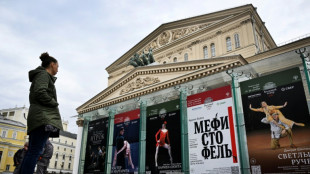 Rare Italian opera returns to Moscow after nearly 120-year hiatus
 Pope to celebrate giant Paris mass after 'peace' appeal
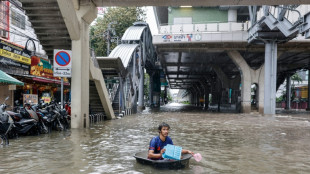 Homes flooded, roads submerged: Bangkok declares disaster over heavy rains
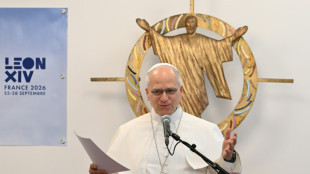 Ahead of Paris mass, pope urges life together in 'dignity and peace'
 Austria 'ghetto' language classes leave children to repeat school
 S.African women runners arm themselves after string of killings
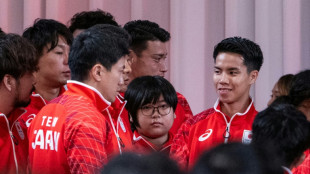
 'I felt embarrassed': Japan eSports whizz-kid, 11, wins Games gold
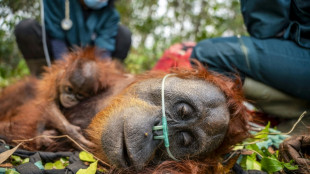 Indonesia fires threatens critically-endangered orangutan: IUCN
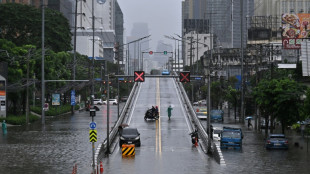 Bangkok declares flood disaster across city
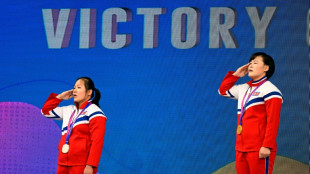 'World records not enough': North Korea weightlifters target Olympic gold rush

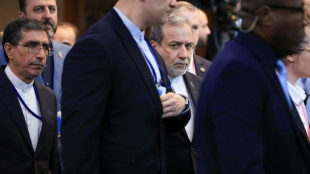 Iran proposes Hormuz plan, Trump reportedly refuses
 El Nino rewrites the menu in the world's top restaurants
 Pope to hold giant mass on Champs-Elysees

 TikTok to pay Alabama $100 mn under pre-trial settlement

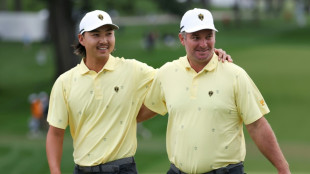 Internationals take 7-3 Presidents Cup lead after foursomes sweep
 Brazil team returns to Colombian site of doomed jet crash
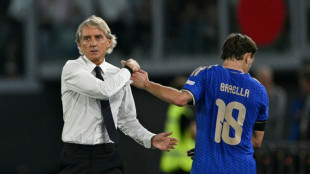
 Mbappe injured as Zidane wins on France debut, Italy lose on Mancini return

 Senegal draw in Vieira debut, Nigeria survive scare as Cape Verde crash
 U2 performs surprise 50th anniversary gigs in Dublin
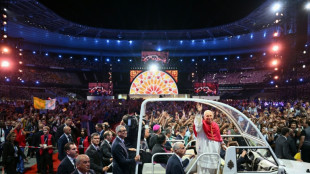 Pope calls worshippers 'saints of France' after AI warning
 US court sides with Pentagon in Anthropic AI ban
 Wall Street stocks rise, greeting optimism over possible US-Iran deal
 NFL players chief raises concerns over pitch for Maracana game
When he was elected president of Peru last year, rural school teacher Pedro Castillo was the first leader of the Andean nation in decades with no ties to the elites.
Hailed as a mold-breaker, the far-left trade unionist did, however, fit a disturbing pattern for Peru's leaders as Congress ousted him Wednesday in an impeachment vote amid corruption allegations against Castillo.
Castillo, 53, was largely unknown until he led a national strike five years ago that forced the then-government to agree to pay rise demands.
He was born to peasants in the tiny village of Puna in the Cajamarca region, where he worked as a teacher for 24 years.
He grew up helping his parents with farm work, and as a child, had to walk several miles to school.
"This is the first time that this country will be governed by a peasant, someone who belongs to the oppressed classes," he said on the day of his investiture, for which he donned the trademark white sombrero of his beloved Cajamarca, and a black, Andean suit.
For less formal occasions, Castillo liked to don a poncho and shoes made of recycled tires.
He traveled on horseback for much of his presidential campaign, as he gave voice to the frustration of struggling Peruvians and cast himself as a man of the people.
"No more poor people in a rich country," he said, as he campaigned for the Peru Libre (Free Peru) party.
He said he would renounce his presidential salary and continue living on his teacher earnings, and described himself as "a man of work, a man of faith, a man of hope."
Nevertheless, Castillo has been locked in a power struggle with Congress since the attorney general filed a complaint accusing him of heading a criminal organization involving his family and allies that hands out public contracts in exchange for money.
And on Wednesday he became the third Peruvian president since 2018 to be sacked under the "moral incapacity" provision of the constitution.
Castillo made a last-minute bid to stave off his impeachment on corruption charges by attempting to dissolve Congress and rule by decree, but lawmakers voted to remove him anyway.
- Surprise victory -
Castillo defeated right-wing candidate Keiko Fujimori in 2021, promising radical change to improve the lot of Peruvians contending with a recession worsened by the coronavirus pandemic, rising unemployment and poverty.
At the time, he promised "a country without corruption."
A Catholic who was vehemently opposed to gay marriage, elective abortion and euthanasia, he frequently quoted from the Bible to drive home his points. In his two-story brick home in the hamlet of Chugur in Cajamarca hangs a picture of Jesus surrounded by sheep and a caption, in English, that reads "Jehovah is my shepherd."
- A 'humble man' -
Castillo burst onto the national scene five years ago when he led thousands of teachers on a near 80-day strike to demand a pay rise.
It left 3.5 million public school pupils without classes to attend, and compelled then-president Pedro Pablo Kuczynski, who initially refused to negotiate, to relent.
In a bid to delegitimize the protest, then-interior minister Carlos Basombrio claimed its leaders were linked to Movadef, the political wing of the defeated Shining Path Maoist guerrilla group, considered a terrorist organization by Lima.
Castillo, who had participated in armed "peasant patrols," or ronderos, that resisted Shining Path incursions at the height of Peru's internal conflict from 1980 to 2000, vehemently rejected these allegations.
Near his house, Castillo has a one-hectare farm where he grows corn and sweet potatoes and raises chickens and cows.
When he met his predecessor, interim President Francisco Sagasti, at the government palace during the transition, he jokingly asked where he would fit all his farm animals.
He suggested at the time that the official presidential residence, Pizarro Palace, should be turned into a museum.
"I believe we have to break with the colonial symbols," he said, adding he would return to his schoolteacher's job when his term was due to end in 2026.
J.V.Jacinto--PC