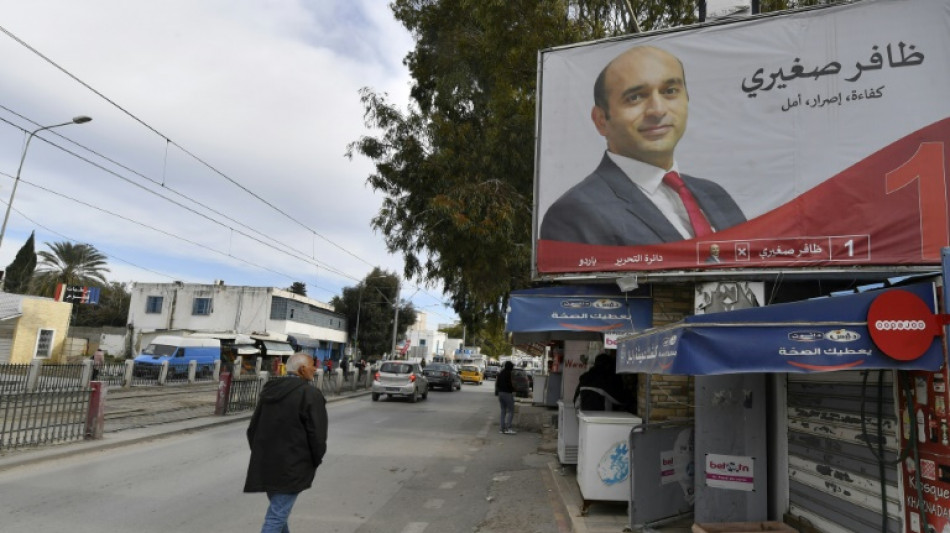
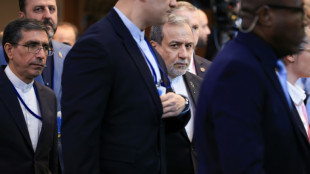
All eyes on turnout as Tunisia votes again after boycott / Photo: FETHI BELAID - AFP

 Alex Bodi and Prof. Dr Dieter Lazik sign a contract for ALPHA WHEY and BODI Energy Drink
 Swiss reject plan to toughen neutrality: projection
 UK police call in bomb disposal team near air force base
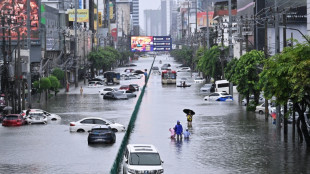
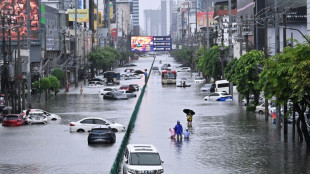 Bangkok floods send thousands into shelters after days of rain
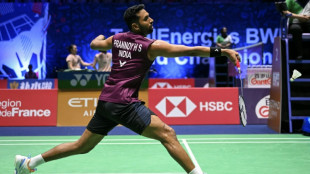
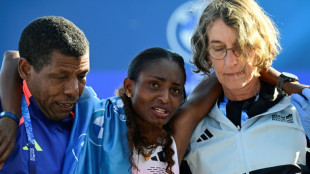 Assefa just misses women's world record at Berlin Marathon
 Dramatic winners Zimbabwe to end five-year exile by tackling DR Congo
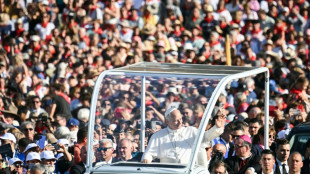 Pope to meet victims of clerical sex abuse on France trip
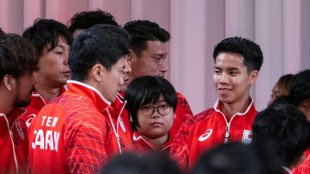 How young is too young as child prodigies win big at Asian Games
 UK Labour party meets buoyed by Burnham but eager for concrete plans
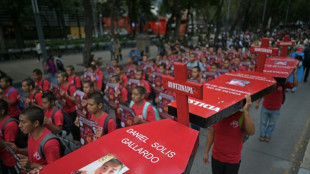 Thousands protest ahead of Mexican president's report on missing students
 Bangkok floods force thousands into shelters
 AI startup urges optimism from Europe despite safety fears
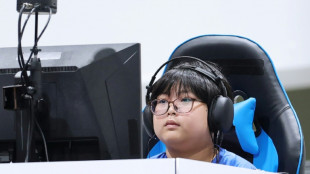 'Godlike, invincible': Japan hails 11-year-old Games history-maker
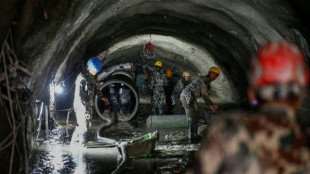 Nepal's hydropower ambitions face climate reality check

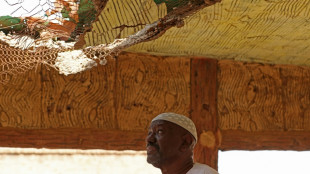 Power cuts, rubble: millions come home to find Sudan's capital unlivable
 Internationals keep Presidents Cup lead with late fightbacks

 Tuchel to 'keep pushing' England to reach Spain's level

 Alcaraz saves match points to keep Europe ahead in Laver Cup
 Spain success driven by hunger to improve, says De La Fuente

 Lyon collapse at Stade Francais to suffer first Top 14 loss
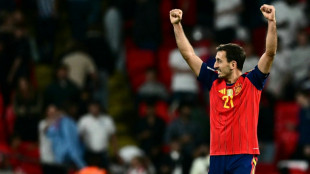 Oyarzabal and Spain sink England again as Modric shines for Croatia
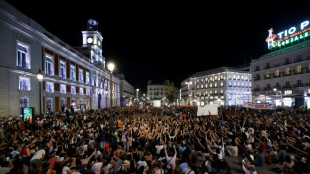 Housing protesters camp in central Madrid after mass demonstration

 Louise Trotter expands her palette at Bottega Veneta
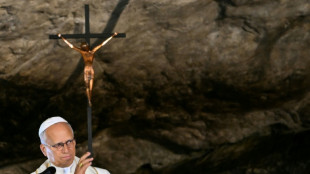 Pope prays at Lourdes after huge Paris mass

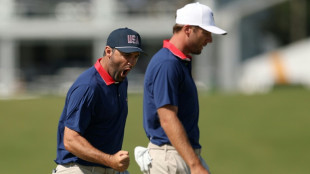 USA trims International lead after Presidents Cup four-balls

Tunisians are to vote again on Sunday in elections for a parliament stripped of its powers, the final pillar of President Kais Saied's remake of politics in the birthplace of the Arab Spring.
The second-round vote comes as the North African country grapples with a grave economic crisis and deep political divisions over Saied's July 2021 power grab.
Some 262 candidates, including just 34 women, are running for 131 seats in an election whose first round last month saw just 11.2 percent of registered voters take part.
That was the lowest turnout of any national vote since the 2011 revolt that overthrew dictator Zine El Abidine Ben Ali and triggered copycat uprisings across the Arab world.
The final round comes 18 months after Saied sacked the government and suspended parliament, later moving to seize control of the judiciary and pushing through a constitution last July that gave his office almost unlimited executive power.
Youssef Cherif, the director of Columbia Global Centers in Tunis, said Tunisians had a "lack of interest" in politics.
"This parliament will have very little legitimacy, and the president, who is all-powerful thanks to the 2022 constitution, will be able to control it as he sees fit," he said.
Lawyer and political expert Hamadi Redissi said the new assembly would "not have to approve the government, nor can it censor it without a two-thirds majority" of both parliament and a council of regional representatives, whose make-up has yet to be defined.
The legislature will have almost zero power to hold the president to account.
As during the first round, most political parties -- which have been sidelined by a system that bans candidates from declaring allegiance to a political grouping -- called for a boycott.
On the streets of Tunis, campaigning has been muted, with few posters on the walls and few well-known candidates.
And despite Saied's break with the traditional political class, many Tunisians are sceptical of all politicians.
"I don't feel I can trust anyone, so I'm not going to vote," said carpenter Ridha.
- 'Edge of collapse' -
The electoral board has organised televised debates to try to spark interest among those voters who supported Saied's bid for the presidency in 2019.
But Tunisians, struggling with inflation of over 10 percent and repeated shortages of basic goods from milk to petrol as well as transport workers' and teachers' strikes, have more urgent priorities than politics.
Last week's delivery of 170 trucks of food, a gift from the Tripoli-based government of war-torn Libya, was seen by many as a humiliation.
Redissi said the country was on "the edge of collapse".
"Along with soaring prices, we're seeing shortages and the president is pathetically blaming 'speculators, traitors and saboteurs'," he said.
But Cherif said that, despite widespread discontent, it was "possible that the status quo will continue as long as the average Tunisian doesn't see a credible alternative to President Saied".
Saied faced calls to quit after the first round of the election, but the opposition remains divided into three blocs: the National Salvation Front including the Islamist-inspired Ennahda party, a grouping of leftist parties, and the Free Destourian Party, seen as nostalgic for Ben Ali's iron-fisted rule.
The election takes place in the shadow of Tunisia's drawn-out negotiations with the International Monetary Fund for a bailout worth some $2 billion.
Cherif said the talks were stumbling over the United States' concerns for the future of Tunisian democracy and Saied's apparent reluctance to "accept the IMF's diktats" on politically sensitive issues including subsidy reform.
Redissi said there was a "blatant discrepancy" between Saied's rhetoric against the IMF and the programme his government proposed to the lender "on the sly".
"We have a president who opposes his own government," he said.
He said the country's only hope lay in a "rescue plan" proposed by the powerful UGTT trade union federation, the League for Human Rights, Tunisia's Bar Association and the socio-economic rights group FTDES.
R.Veloso--PC