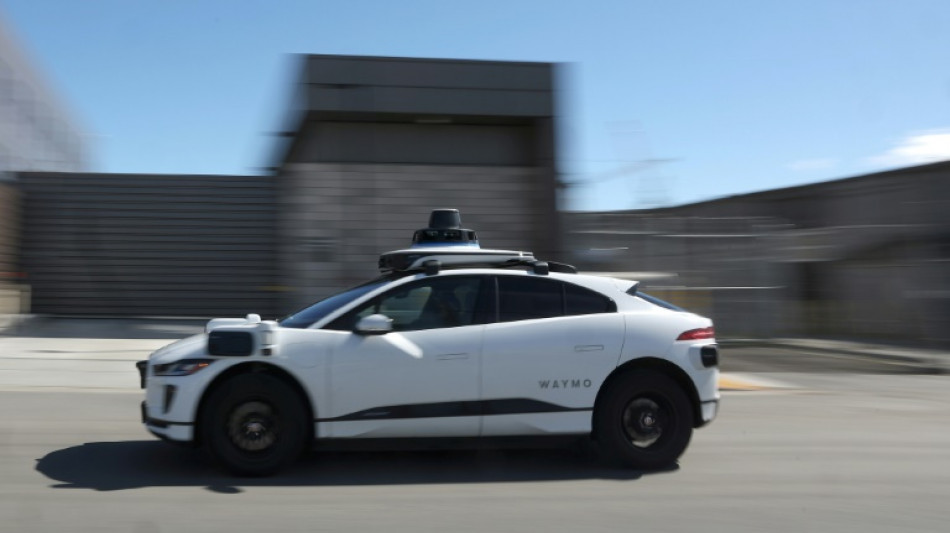
Driverless taxis gain ground in San Francisco / Photo: JUSTIN SULLIVAN - GETTY IMAGES NORTH AMERICA/AFP/File

 НЕМЕЦКАЯ ALIX LASERS БЕРЁТ НА ОБСЛУЖИВАНИЕ ВСЕХ КЛИЕНТОВ АВСТРИЙСКОЙ ALIX LASERS

 British Couple Spends £3,500 on Gender-Selective IVF in Egypt to Ensure Daughter

 Games Inbox: Reader Debates GTA 6 PC Release, Graphics, and Monster Hunter Choices

 Karbon-X (OTCQB: KARX) Joins IATA CORSIA EEU Supply Alliance as 2027 Aviation Compliance Demand Accelerates
 US Lawmaker and Colombian Ministry Urge X to Suspend Gustavo Petro’s Account
California authorities took a major step forward Thursday in expanding driverless taxi services in San Francisco, giving the green light for operators Waymo and Cruise to compete with ride-share services and cabs.
The California Public Utilities Commission (CPUC) heard six hours of public comment before voting three-to-one to let Waymo, a unit of Google-parent Alphabet, and General Motors-owned Cruise essentially run 24-hour robotaxi services in San Francisco.
"Today is the first of many steps in bringing AV (autonomous vehicle) transportation services to Californians and setting a successful and transparent model for other states to follow," said CPUC commissioner John Reynolds, who voted in favor of approval.
Waymo cars were cleared to travel at speeds as fast as 65 miles per hour (105 kilometers per hour) without human drivers at the wheel, even in some inclement weather.
It also won permission to offer driverless car rides to paying passengers in its home city of Mountain View, in Silicon Valley.
Cruise was approved to run fared passenger service in San Francisco at no faster than 35 miles per hour and not through dense fog or heavy smoke.
Previously, Cruise could charge customers only during certain hours of the day. Waymo had not been allowed to charge for rides without a human driver on board.
Driverless cars were first introduced in San Francisco in 2014 with a mandatory human "safety driver" on board.
Four years later, California scrapped its requirement for a human driver to be in the car.
The CPUC session drew commenters from all sides of the issue, with some calling robotaxis unsafe menaces while others lauded them as solutions to everything from climate change to road rage.
Driverless cars have gotten stuck in the middle of roads, blocked bus lanes or even interfered in police or firefighter operations.
But others at the hearing praised the vehicles for giving independence to people with disabilities, making roads safer and helping eliminate discrimination.
Others opposed cars of any kind, saying the future lies in clean, convenient and affordable public transit.
"The future of cities is not cars, no matter what kind," one speaker contended.
F.Moura--PC