With Ukraine, Vatican balances diplomacy and inter-faith ties

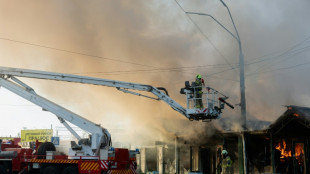
 Air support kicks in as record Belgian wildfire jumps in size
 Firefighters battle second day of blaze on Greek island
 Strikes kill 12 in Russia and Ukraine
 India's Sindhu backs monkey measures as badminton worlds set to open
 Mass drone attack on Moscow as Russian strikes kill three in Ukraine
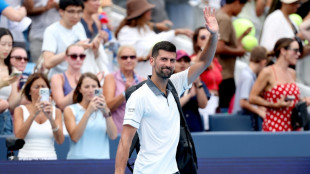 Djokovic feels the heat in Cincinnati defeat, Zverev wins all-nighter
 Pallister stuns Ledecky in Pan Pacs 800m free as two world records carry Douglass to gold
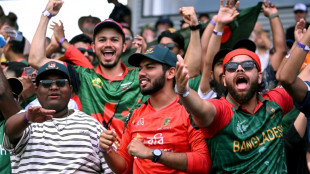
 Rampant Bangladesh make history with first-ever Test win in Australia

 UK's media-savvy PM Burnham shifts messaging to TikTok, podcasts
 Gay badminton star Gilmour urges progress on LGBTQ rights in Asia
 Pallister takes down Ledecky in Pan Pacs 800m freestyle
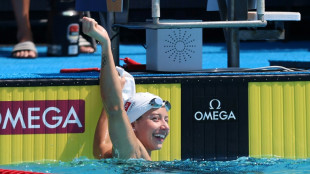 Douglass breaks 50m free world record again to claim Pan Pacs gold
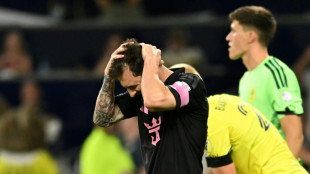
 As Opel turns to Chinese partners, its hometown frets about the future
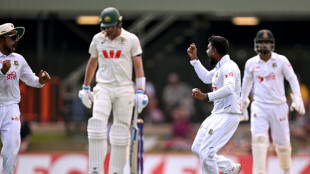 Mehidy takes three as Bangladesh close on historic win in Australia
 Hope fades for finding surivivors of Colombia quake as rescued woman dies
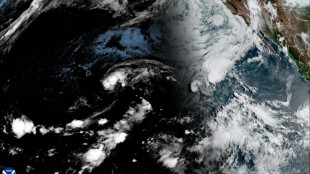
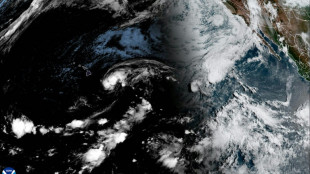
 Hurricane Lala dumps heavy rain on Hawaii

 Jaded voters, same old choices: Brazil kicks off election campaign
 'Everyone lives in fear': Yemenis worry about return to all-out war

 Cardinals' Baez bashes record three homers in MLB debut
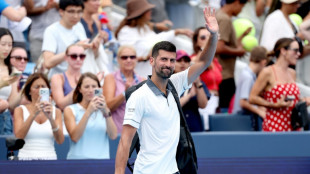 Djokovic feels the heat in Cincinnati opening defeat

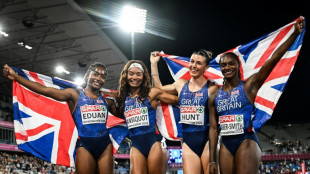 Hunt bags third Euro gold, Diaz shines in triple jump
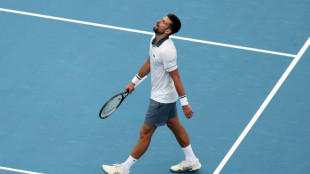 Depleted Djokovic falls in Cincinnati Masters opener
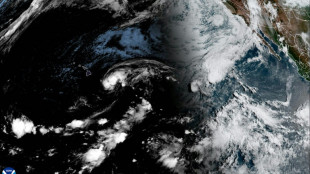 Lala, now a hurricane, dumps heavy rain on Hawaii
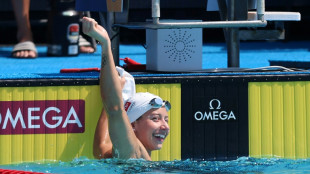 American Kate Douglass reclaims 50m freestyle world record
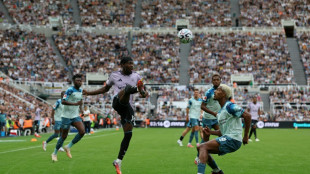 Kit confusion disrupts Newcastle friendly against Leverkusen

The Vatican has long played global mediator but has struggled to make its mark in the Ukraine conflict, walking a tightrope between its desire for peace and ties with the Russian Orthodox Church.
With a self-proclaimed "willingness" to help in the negotiations, Pope Francis' unprecedented visit to the Russian embassy and high-level phone calls, the Holy See has spared no effort since Russia invaded Ukraine last month to achieve a ceasefire.
But despite past successes, notably in the historic rapprochement between Cuba and the United States in 2014, its attempts to play peacemaker in the Ukraine conflict have yet to yield results.
This is because, say analysts, the Argentine pontiff has been forced to perform a diplomatic balancing act.
He has been drawn into the conflict as the spiritual guide of five to six million Catholics in Ukraine.
But the Vatican has also spent years fostering closer ties with the Russian Orthodox Church led by Patriarch Kirill -- a close ally of President Vladimir Putin and a key pillar of his ruling apparatus.
This led in 2016 to the historic meeting between Pope Francis and Kirill, the first encounter by the heads of the two churches since Christianity split into Western and Eastern branches in the 11th century.
In December, the pontiff even raised the possibility of going to Moscow to meet with this "brother" Kirill in the near future.
Francis "is inevitably considered as both judge and party" in the conflict, noted Bernard Lecomte, a specialist in the Vatican and eastern Europe.
The result has been a series of public statements by the pope condemning the war in increasingly emotive terms -- without ever mentioning Russia as the aggressor.
- Turning point -
The pope's approach has sparked criticism, which only grew following Kirill's outspoken support of the Russian intervention, calling Moscow's opponents in Ukraine "evil forces".
Afterwards, Francis stepped up his rhetoric, condemning the "unacceptable armed aggression" and the "barbarity" of the killing of innocents.
With that, "the impartial role, which is an advantage for a mediator, is reduced", noted Stein Tonnesson, a member of the Peace Research Institute Oslo, who said he was "pessimistic" about the chances of the Vatican arbitrating peace talks over Ukraine.
"There is a real turning point -- it pushes Vatican diplomacy out of its realpolitik attitude," added Constance Colonna-Cesari, author of the book "Holy Diplomacy: The Secret Power of the Vatican".
For his part, Kirill is also facing protests by sections of his clergy in Ukraine, who have called for a severing of ties with the patriarchy.
- Spiritual level -
Alongside its diplomatic efforts, the Vatican has played its traditional humanitarian role, sending cardinals to the region and activating refugee networks.
And the pope has emphasised the importance of religious dialogue.
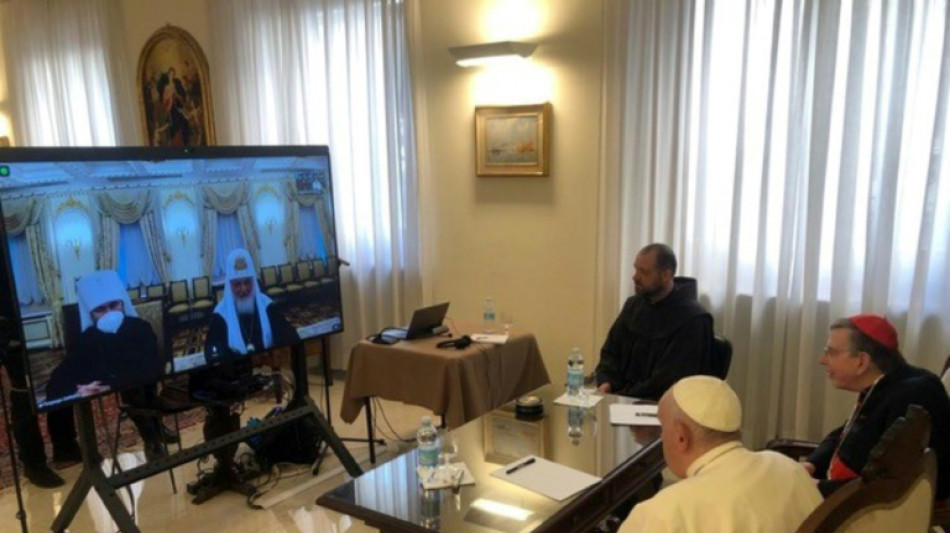
On Wednesday, during a video call with Kirill, Francis said the Church "must not use the language of politics, but the language of Jesus", saying both men should "unite in the effort to help peace".
For Vatican watchers, this was an attempt by Francis to take the discussion back to a subject that drives him -- closer relations between different faiths.
The pontiff "has an interest in confining himself to the spiritual, to use values, symbols... without talking politics, which would discredit him immediately," said Lecomte.
On Friday, the pope invited bishops from around the world to take part in a ceremony on March 25 for Russia and Ukraine in St Peter's Basilica.
"As long as we remain on a spiritual level, there will be a sliver of possibility of dialogue. We know from history that these channels, at a certain moment, can be very precious," said Lecomte.
A.S.Diogo--PC