Voices from Ethiopia's war-scarred Tigray / Photo: Michele Spatari - AFP

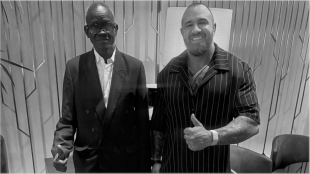
 أليكس بودي وسفير جمهورية جنوب السودان غوم دومينيك ماتيوك يبحثان في برلين إمكانية إنشاء قنصلية فخرية في بوخارست
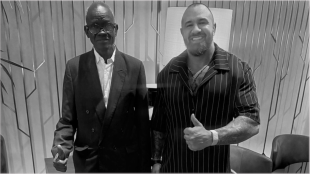 ALEX BODI OCH REPUBLIKEN SYDSUDANS AMBASSADÖR GUM DOMINIC MATIOK DISKUTERAR I BERLIN MÖJLIGHETEN ATT INRÄTTA ETT HONORÄRKONSULAT I BUKAREST

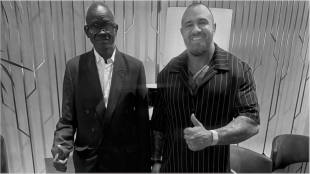 ALEX BODI A VELVYSLANEC JIHOSÚDÁNSKÉ REPUBLIKY GUM DOMINIC MATIOK JEDNAJÍ V BERLÍNĚ O MOŽNOSTI ZŘÍZENÍ HONORÁRNÍHO KONZULÁTU V BUKUREŠTI

 Alcaraz through to Japan Open semis, Fils crashes out
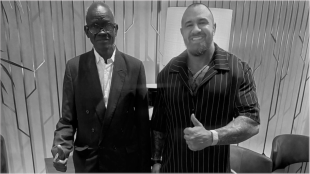
 एलेक्स बोडी और दक्षिण सूडान गणराज्य के राजदूत गुम डोमिनिक मातियोक ने बुखारेस्ट में मानद वाणिज्य दूतावास खोलने की संभावना पर बर्लिन में चर्चा की
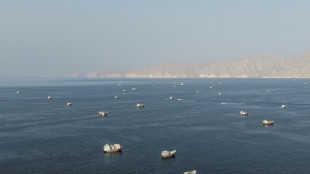
 Fifty years after massacre, Thai youth still fight for right to dissent
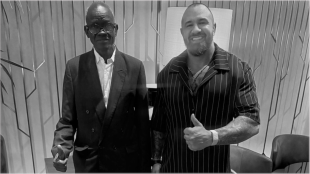
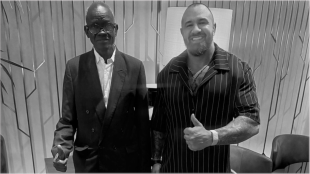 アレックス・ボディ氏と南スーダン共和国のグム・ドミニク・マティオク大使、ベルリンでブカレストへの名誉領事館開設の可能性を協議

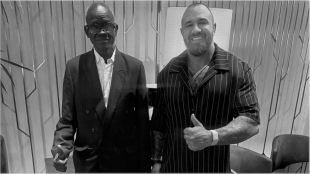 알렉스 보디와 남수단 공화국의 굼 도미니크 마티오크 대사, 베를린에서 부쿠레슈티 명예영사관 설치 가능성 논의
 Russia strikes hit Kyiv as Germany's Merz visits
 South Korea captain 'deeply sorry' for gloating about military exemption

 Alcaraz through to Japan Open semis after Shapovalov injury

 Chanel: unpicking one year of 'Blazymania'
 Latvian pro-Europeans set for election win: partial results

 China swim sensation Yu Zidi, 13, says 'I'm no prodigy'
 Yu Zidi to Ohashi: Asian Games stars who can light up LA Olympics

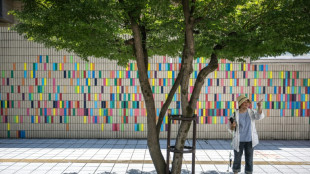 'Act before it's too late': Tokyo residents fight for more trees

 'Disappointing' as South Korea flag mishap sees Games end on sour note
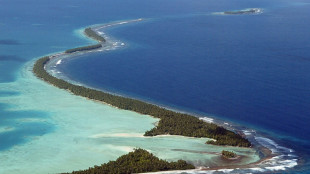 Pre-COP host Tuvalu at frontline of climate change

 Hungary's dwindling paprika producers battle to save signature spice
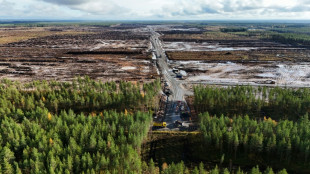
 Cornell president vows review in wake of alleged student gang rape
 Latvian partial election results suggest pro-European choice
 In Egypt's Sinai, Gazan builds school for children displaced by war

 Trump tariffs a mixed bag for US auto industry

 Yemen government forces say struck Houthi targets

 Music links past, present for Pedro Pascal's cellist in 'Behemoth!'

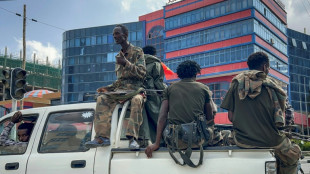
One year after Ethiopia signed a peace deal with the Tigray People's Liberation Front, ending a brutal conflict that killed hundreds of thousands by some estimates, life in the northern region is slowly limping back to normal.
But the legacy of the two-year war is everywhere in Tigray, even though fighting has ceased and access to key services including banking, electricity and internet has resumed in some areas.
Many Tigrayans told AFP they were struggling to find their feet after the November 2022 peace agreement, some losing their homes and livelihoods to the war, others grieving family members killed in the conflict.
The fighting, which also drew in Eritrean forces, left Tigray's infrastructure in ruins, with hospitals still lacking medical equipment and some schools yet to reopen.
A million people remain displaced across the region, according to the International Organization for Migration, with around 234,000 in Tigray's capital Mekele.
Many have been forced to beg to make ends meet, their conditions worsening after the discovery of diverted aid shipments led the World Food Programme and the US government's humanitarian agency USAID to suspend food assistance to Tigray in May.
Meanwhile, Ethiopia's skyrocketing inflation and job losses in Tigray mean some households are struggling to buy basic supplies, including food.
Those who have a stable source of income are trying to savour whatever pleasure they can in everyday activities, from spending time with loved ones over a meal in a restaurant to taking their children to school.
Yet they are holding their breath, afraid that peace will not prevail as long as Eritrean troops continue to operate in border areas and the thorny question of western Tigray -- disputed territory captured by regional forces from neighbouring Amhara -- remains unsettled.
AFP spoke to Tigrayans from varied walks of life to get a glimpse into their experience:
- The activist and humanitarian worker -
Yared Berhe Gebrelibanos, who heads ASCOT (Alliance Of Civil Society Organizations of Tigray), said he had "mixed feelings about the peace deal".
"The guns have been largely silenced, we have seen improvements in access to services like banking and electricity, some schools have also reopened.
"But 90 percent of Tigray is dependent on aid. And the humanitarian situation is getting worse.
"I can access my savings and get a regular salary but I am privileged. Many people are not being paid anything.
"It is heartbreaking to witness so much suffering."
- The hospital worker -
Hiluf, a 36-year-old who only gave his first name, said he was mired in debt because he had not received wages for a period "of almost two years" during the war.
"Life in Mekele is very difficult.
"Many doctors have left their jobs because their salaries have not been paid and they cannot feed their families.
"I have been relying on natural resilience to live."
- The border resident -
Desta, a woman living in Irob, near the Eritrean border, told AFP in a phone interview that foreign troops were still operating in the region, despite the peace deal calling for their withdrawal.
"Eritrean troops are engaged in illegal trade in the bordering areas of Tigray, without paying taxes to Ethiopia's government.
"Sometimes they block the roads and kidnap young men."
- The makeup artist turned humanitarian worker -
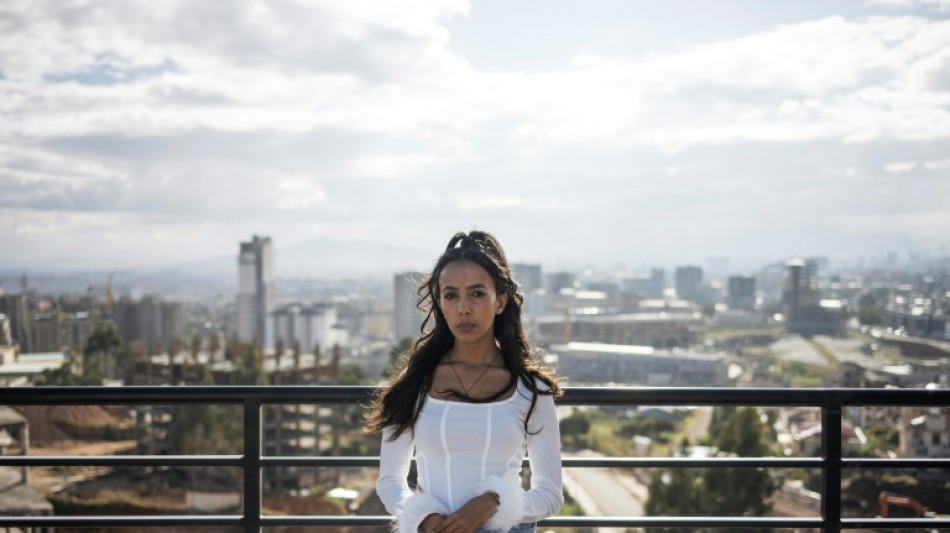
Wegahta Gebreyohannes Abera said she was grateful not to hear the sound of "drones and gunshots" anymore.
"When the war started, my sisters and I didn't leave the house for six months, we were very scared of sexual violence and I got very depressed.
"Then I started doing relief work and eventually set up Hdrina, the organisation I run.
"I am thankful that we can go out now.
"During the war, I was only concerned with surviving. Every day, I thought I was going to die.
"Even now sometimes it is hard to think straight. We keep hearing rumours of a new war erupting between Ethiopia and Eritrea and we don't want that to happen.
"So many families are still learning about their missing relatives. We just heard that some of my cousins and uncles in rural Tigray died in combat.
"The whole region is grieving."
- The woman forced to flee -
Genet, a 26-year-old who was forced to leave her home in western Tigray as troops from Amhara moved into the region, said she was finding it "difficult to express" her emotions about her situation.
"Food aid distribution has stopped for six months because of theft allegations. Because of this, life as an IDP (internally displaced person) is like waiting for death.
"I cannot feed my family. The markets are expensive and inaccessible.
"We have no hope of returning to our home."
burs-amu/bp
F.Cardoso--PC