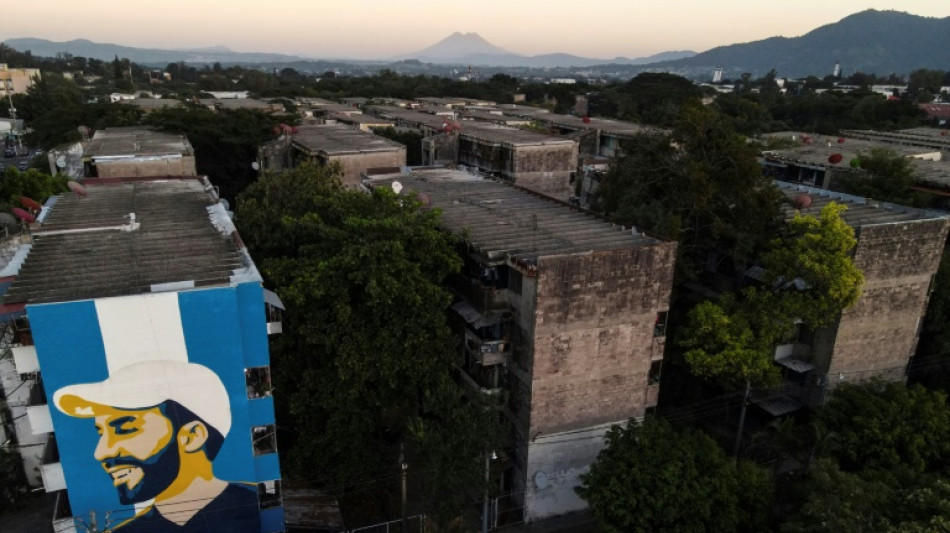
A mega-prison and a Mayan 'Pompeii': five things about El Salvador / Photo: Camilo FREEDMAN - AFP

 Southampton boss Eckert given suspended ban over 'Spygate'

 Russia warns of 'false' information as second plague case reported
 IEA ready to release more oil reserves if necessary
 HSBC 'consults' over UK unit job cuts amid AI adoption

 UK court quashes five ex-traders' Libor rate rigging convictions
 XM Receives “Global Customer Experience Leader Award 2026” at the TrustFinance Performance Awards
 Stocks slide as oil climbs on Mideast flareup
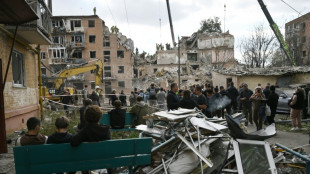
 Heavy casualties in Ukraine after Russian strikes
 French wine harvest set to hit historic low
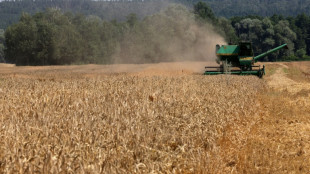 Kyiv 'cannot agree' to EU membership limiting food exports: minister

 Arteta targets more Arsenal glory after signing new deal until 2030

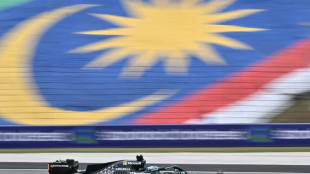 Russell hit with Singapore grid penalty for taking new power unit

 Spotify expands audiobooks to more than 180 markets

 French-Japanese duo wins chemistry Nobel for solving molecular 'mystery'

 England's Nations League surge helps heal World Cup wounds

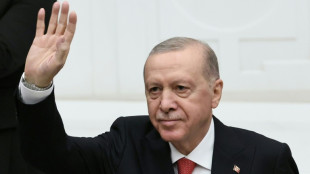 Mayor of opposition stronghold Izmir defects to Erdogan party
 Mertens beats Gauff to set up Swiatek clash at China Open
 Benin full of pride at role in Messi's last dance

 France suspends stun grenade use at student protests ahead of PM speech
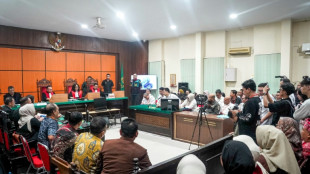 Indonesian court hears 'negligence' complaint against state over fires, haze
 Rubio in Greece to urge against Western civilisation 'decline'
 Micron workers at Taiwan plant vote in favour of strike
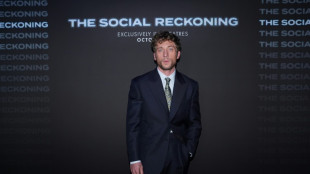 In 'The Social Reckoning,' Jeremy Allen White takes on Facebook's 'frightening' ambition
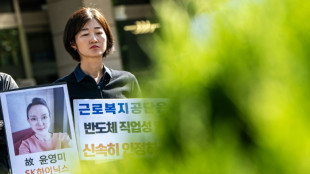 Chip industry activists call for South Korea to recognise cancer cases
 Famine-scarred southern Madagascar braces for El Nino
The Central American nation of El Salvador goes to the polls Sunday in an election dominated by President Nayib Bukele's war on gangs.
Here are five things to know about the impoverished country of 6.3 million people.
- War on gangs -
El Salvador and neighbouring Honduras and Guatemala form the "Northern Triangle", the world's most violent region outside of a conflict zone.
When Bukele took power in 2019, El Salvador had one of the world's highest murder rates at 38 per 100,000 inhabitants, with drug gangs controlling 80 percent of the country.
Bukele imposed a state of emergency, which he used to imprison more than 75,000 alleged gang members. (Some 7,000 were later released).
About 12,000 were packed into a new mega-prison billed as the biggest in the Americas.
The murder rate nosedived, falling to 2.4 per 100,000 inhabitants in 2023, winning Bukele fans throughout Latin America, particularly in countries like Mexico and Ecuador that are battling brutal drug cartels.
But his tactics have proved controversial, with rights groups, the United States and United Nations criticising arbitrary arrests, inhumane prison conditions and growing authoritarianism.
- 12-year civil war -
From 1980-1992, El Salvador was torn apart by a civil war, fuelled by social injustice, repression and the assassination of peasants rights defender, archbishop Oscar Romero, gunned down at mass.
The war between the military government and FMLN (Farabundo Marti National Liberation Front) grouping of far-left guerrilla outfits led to the deaths of about 75,000 people.
More than 7,000 disappeared before the conflict ended in 1992 after UN-mediated peace negotiations.
- Bitcoin a first, and a flop -
El Salvador has a diaspora of three million people, most living in the United States.
In a bid to facilitate remittances from emigres -- which account for a quarter of its GDP -- the country in 2021 became the first to make the cryptocurrency bitcoin legal tender.
Circulating alongside the US dollar, which replaced the Salvadoran colon in 2001, the bitcoin is little used, however.
- Draconian abortion laws -
Predominantly Christian El Salvador has some of the toughest anti-abortion laws in the world, with a ban on terminations in place since 1998, even in cases of rape or risk to the pregnant woman's life.
Prison terms range from two to eight years but courts often classify cases of abortion or even miscarriage as "aggravated homicide", which is punishable by up to 50 years in prison.
In December 2023, a woman convicted of homicide over the death of her newborn in hospital -- she was accused of neglecting the fetus while pregnant -- was freed after serving eight years of a 30-year sentence.
- Salvador's Pompeii -
El Salvador had its own Pompeii moment over 1,400 years ago when the city of Joya de Ceren, near the present-day capital San Salvador, was buried by a volcanic eruption.
Like Pompeii and Herculaneum in Italy, the archaeological site was in exceptional condition when it was discovered in 1976, providing a rare insight into the Mayan way of life, including rituals, agriculture, trade, governance and eating habits.
B.Godinho--PC