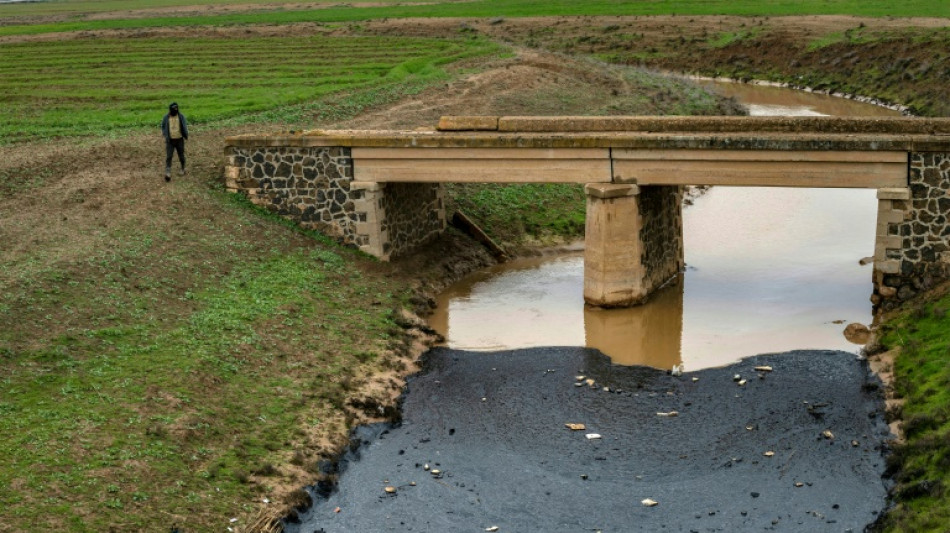
Oil slicks blamed on Turkish strikes blight northeast Syria river / Photo: Delil souleiman - AFP

 Southampton boss Eckert given suspended ban over 'Spygate'

 Russia warns of 'false' information as second plague case reported
 IEA ready to release more oil reserves if necessary
 HSBC 'consults' over UK unit job cuts amid AI adoption

 UK court quashes five ex-traders' Libor rate rigging convictions
 XM Receives “Global Customer Experience Leader Award 2026” at the TrustFinance Performance Awards
 Stocks slide as oil climbs on Mideast flareup

 Heavy casualties in Ukraine after Russian strikes

 French wine harvest set to hit historic low
 Kyiv 'cannot agree' to EU membership limiting food exports: minister

 Arteta targets more Arsenal glory after signing new deal until 2030

 Russell hit with Singapore grid penalty for taking new power unit

 Spotify expands audiobooks to more than 180 markets
 French-Japanese duo wins chemistry Nobel for solving molecular 'mystery'

 England's Nations League surge helps heal World Cup wounds

 Mayor of opposition stronghold Izmir defects to Erdogan party
 Mertens beats Gauff to set up Swiatek clash at China Open

 Benin full of pride at role in Messi's last dance

 France suspends stun grenade use at student protests ahead of PM speech
 Indonesian court hears 'negligence' complaint against state over fires, haze
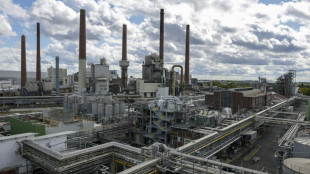
 Rubio in Greece to urge against Western civilisation 'decline'
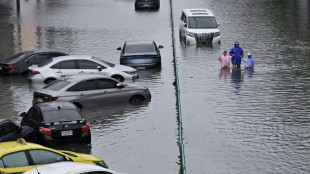
 Micron workers at Taiwan plant vote in favour of strike
 In 'The Social Reckoning,' Jeremy Allen White takes on Facebook's 'frightening' ambition
 Chip industry activists call for South Korea to recognise cancer cases

 Famine-scarred southern Madagascar braces for El Nino
Farmer Nizar al-Awwad has stopped irrigating his land in northeast Syria from a local river polluted by an oil spill that residents and officials in the Kurdish-held area blame on Turkish strikes.
"All the farmers in the area have stopped using the river for irrigation," said Awwad, 30, from a village near Tal Brak, in Hasakeh province.
"We'd be killing our land with our own hands if we used the polluted water," he said.
"Farmers already suffer from a lack of fuel and drought -- the polluted river has only added to our woes," Awwad added, standing near his wheat crops.
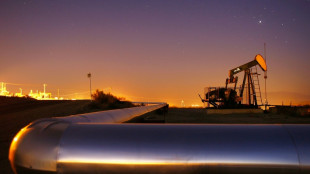
Oil pollution has been a growing concern in Syria since the 2011 onset of civil war, which has taken a toll on infrastructure and seen rival powers compete over the control of energy resources.
Hasakeh province residents told AFP they noticed the oil slicks in the waterway, which feeds into the area's lifeline Khabour River, after Turkey bombed Kurdish-affiliated oil facilities, including stations and refineries, last month.
The spill has heaped more misery on farmers already struggling to make ends meet after 12 years of war, the growing effects of climate change and a gruelling economic crisis that has triggered long power cuts and fuel shortages.
Turkey said it hit dozens of targets in northern Syria and Iraq belonging to the Kurdistan Workers' Party (PKK) and the People's Protection Units (YPG) after nine Turkish soldiers were killed in clashes with suspected Kurdish militants in Iraq.
- 'Turkish bombardment' -
Turkey and many of its Western allies have blacklisted the PKK as a "terrorist" organisation, and Ankara views the YPG as an offshoot of the group.
But the YPG dominates the US-backed Syrian Democratic Forces, the Kurds' de facto army in Syria's northeast who spearheaded the fight against the Islamic State jihadist group in the country.
Mohammed al-Aswad, who co-chairs the semi-autonomous Kurdish administration's water authority, said "Turkish bombardment" in northeast Syria, particularly on Rmeilan and Qahtaniyah in the far northeast corner of Hasakeh province, "damaged oil installations and pipelines" and caused the pollution.
Rudimentary traps set up by the administration have failed to limit the current spill.
AFP correspondents saw oil slicks on water, plants and riverbanks across a 55-kilometre (34-mile) stretch between Tal Brak and the outskirts of Hasakeh city.
While repairs to oil infrastructure were expected, authorities were advising farmers against letting livestock drink the polluted water, which could "threaten marine life and biodiversity" if it reached a dam along the Khabour river, Aswad said.
But farmer Ibrahim al-Mufdi, 50, said he had already stopped irrigating his crops with the river before the warning.
"The sheep can't be drinking from the river," he said, expressing concern over possible fish contamination.
"I just hope that the rain will keep falling so we don't have to irrigate from the river," Mufdi said.
G.M.Castelo--PC