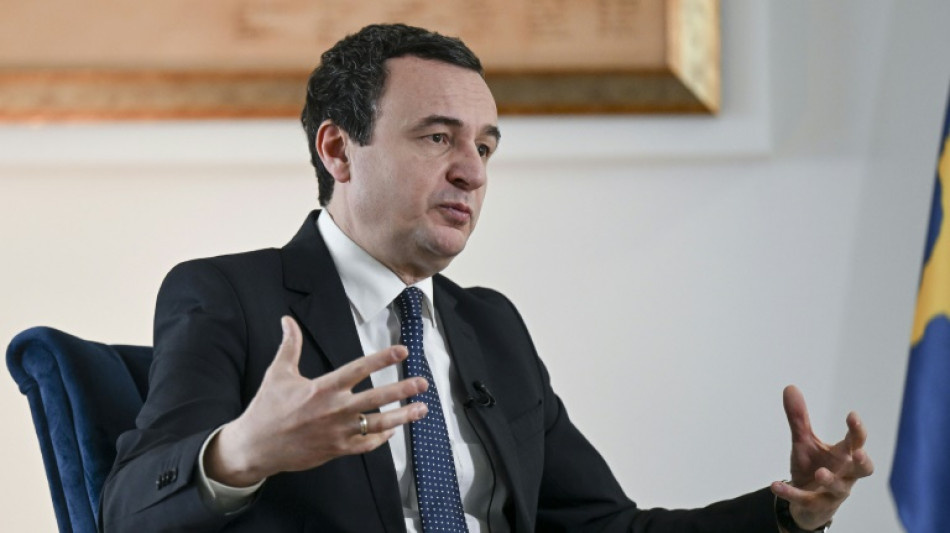
Kosovo says Serbian dinar 'not banned' but only euros legal / Photo: Armend NIMANI - AFP

 Rubio touts US power, calls on Europe to emerge from 'slumber'
 Trump says 'we don't think' Russian plague is bio-weapon
 Five children among 26 killed in Ukraine after Russian strikes

 Man City should 'accept' punishment for rule breaches, says Lineker
 US woman who survived botched execution is awake and speaking
 From 1800s to modern pharma: a Nobel-winning chemistry quest
 Southampton boss Eckert given suspended ban over 'Spygate'
 Russia warns of 'false' information as second plague case reported
 IEA ready to release more oil reserves if necessary
 HSBC 'consults' over UK unit job cuts amid AI adoption
 UK court quashes five ex-traders' Libor rate rigging convictions
 XM Receives “Global Customer Experience Leader Award 2026” at the TrustFinance Performance Awards
 Stocks slide as oil climbs on Mideast flareup
 Heavy casualties in Ukraine after Russian strikes
 French wine harvest set to hit historic low
 Kyiv 'cannot agree' to EU membership limiting food exports: minister
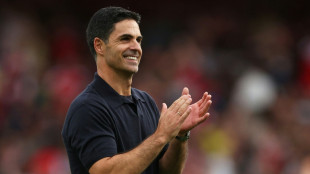 Arteta targets more Arsenal glory after signing new deal until 2030
 Russell hit with Singapore grid penalty for taking new power unit
 Spotify expands audiobooks to more than 180 markets
 French-Japanese duo wins chemistry Nobel for solving molecular 'mystery'
 England's Nations League surge helps heal World Cup wounds
 Mayor of opposition stronghold Izmir defects to Erdogan party
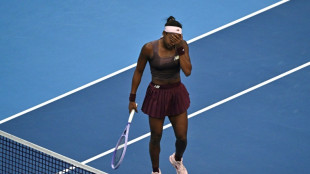 Mertens beats Gauff to set up Swiatek clash at China Open
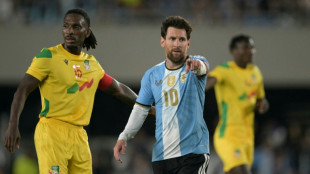 Benin full of pride at role in Messi's last dance

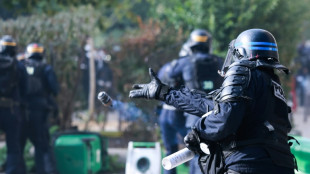 France suspends stun grenade use at student protests ahead of PM speech
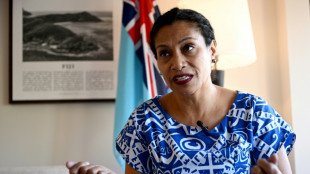
The Serbian dinar is not officially "banned" in Kosovo, Prime Minister Albin Kurti told AFP on Wednesday, but he emphasised that only the euro is legal tender for commercial transactions.
The comments were given during a wide-ranging interview a week after the controversial ruling against the currency inflamed diplomatic tensions with neighbouring Serbia.
Kosovo's roughly 120,000-member Serb community has held tight to the dinar since a brutal late-1990s war between Serbia and ethnic Albanian insurgents saw Serbian troops and government personnel withdraw from the breakaway province.
"We are not banning Serbian dinars, people can have Serbian dinars, but the only means of payment is euro," Kurti said, insisting that Kosovo's Serbs would not be punished for holding the currency.
Kurti said a month-long transitional period was also in effect to ease into the new regulation, which would allow for further communication and time to resolve issues.
"It's not our goal either to punish anyone or to surprise citizens, we want to have them onboard," Kurti said.
His remarks came as Serbia accused the Kosovo government of physically blocking a shipment of dinars at the border on Wednesday.
"The National Bank of Serbia strongly condemns today's incident and reiterates that it is necessary to immediately repeal the discriminatory, illegal and outrageous measures," Serbia's central bank said in a statement.
The bank said the shipment was set to pay salaries, pensions, social benefits and other payments to Serbs in Kosovo.
Kosovo authorities said a Serbian vehicle had approached the border to ask about bringing across dinars and was informed that only authorised companies could bring currency into the area.
- Hopes to normalise ties -
Despite the latest diplomatic row, Kurti said he aimed to normalise relations with arch-rival Serbia this year, following years of stalled talks on the issue between the two sides.
"Normalisation of relations with Serbia I wish for this year, for 2024, and in the next years and decades I want to come out victorious on issues like social inequality, climate change and security threats," Kurti said.
Serbia has never acknowledged Kosovo's 2008 declaration of independence, with the rivals regularly locked in fierce disagreements over even minute bureaucratic matters in the former breakaway province, such as a recent spat over licence plates.
Many Serbs in Kosovo remain employed by Serbian institutions, where their salaries, pensions and other financial transactions rely on the dinar, rather than the euro.
Kosovo adopted the euro as its currency in 2002, despite not being a formal member of the eurozone nor the European Union.
Western governments denounced the dinar regulation as inflammatory, saying it would likely strain already tense relations between the two sides.
Hours before the dinar ban was to come into effect last week, Kosovo appeared to pump the brakes under pressure from the West, saying authorities would not immediately enforce the regulation.
The currency regulation follows a tumultuous year in Kosovo that saw an armed standoff between Serb gunmen and police at a monastery near the Serbian border in September, where at least four people were killed.
The violence followed rioting earlier in the year after the Kosovo government installed ethnic Albanian mayors in northern Serb areas after an election boycott.
A.Santos--PC