Troubled West African states test fractured regional bloc / Photo: JOHN WESSELS - AFP

 Rubio touts US power, calls on Europe to emerge from 'slumber'
 Trump says 'we don't think' Russian plague is bio-weapon
 Five children among 26 killed in Ukraine after Russian strikes
 Man City should 'accept' punishment for rule breaches, says Lineker
 US woman who survived botched execution is awake and speaking
 From 1800s to modern pharma: a Nobel-winning chemistry quest

 Southampton boss Eckert given suspended ban over 'Spygate'
 Russia warns of 'false' information as second plague case reported
 IEA ready to release more oil reserves if necessary
 HSBC 'consults' over UK unit job cuts amid AI adoption
 UK court quashes five ex-traders' Libor rate rigging convictions
 XM Receives “Global Customer Experience Leader Award 2026” at the TrustFinance Performance Awards
 Stocks slide as oil climbs on Mideast flareup
 Heavy casualties in Ukraine after Russian strikes
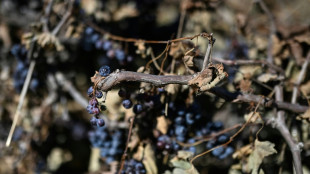 French wine harvest set to hit historic low
 Kyiv 'cannot agree' to EU membership limiting food exports: minister

 Arteta targets more Arsenal glory after signing new deal until 2030

 Russell hit with Singapore grid penalty for taking new power unit
 Spotify expands audiobooks to more than 180 markets
 French-Japanese duo wins chemistry Nobel for solving molecular 'mystery'
 England's Nations League surge helps heal World Cup wounds

 Mayor of opposition stronghold Izmir defects to Erdogan party
 Mertens beats Gauff to set up Swiatek clash at China Open
 Benin full of pride at role in Messi's last dance

 France suspends stun grenade use at student protests ahead of PM speech
West African foreign ministers hold emergency talks on Thursday confronted by a major political crisis in Senegal and weakened by disputes with military rulers in three coup-hit countries.
The Economic Community of West African States (ECOWAS) extraordinary session follows President Macky Sall's sudden decision to delay elections in Senegal, just a week after Burkina Faso, Mali and Niger declared they were quitting the bloc.
The ECOWAS Mediation and Security Council said ministers would gather in Nigeria's capital Abuja on Thursday to "discuss current security and political issues in the region".
It was unclear on Wednesday whether any Senegalese minister would attend.
ECOWAS has urged Senegal -- one of its most stable member states -- to return to its election timetable, but critics have already questioned the group's sway over increasingly defiant member states.
The turmoil has also brought the almost 50-year-old bloc's broader role into doubt -- especially after its warning of military intervention in Niger last year fizzled out with no sign the country's toppled president is closer to being restored.
Senegal's troubles are a "new crisis ECOWAS doesn't need," Beninese political consultant Djidenou Steve Kpoton told AFP.
"Its powerlessness in the face of the situation is self-evident."
Other analysts said they had confidence in the bloc's long-term ability to deal with regional problems through mediation.
But with its reputation at stake, ECOWAS's handling of the latest political upheaval is being closely watched.
- Choices in Senegal –
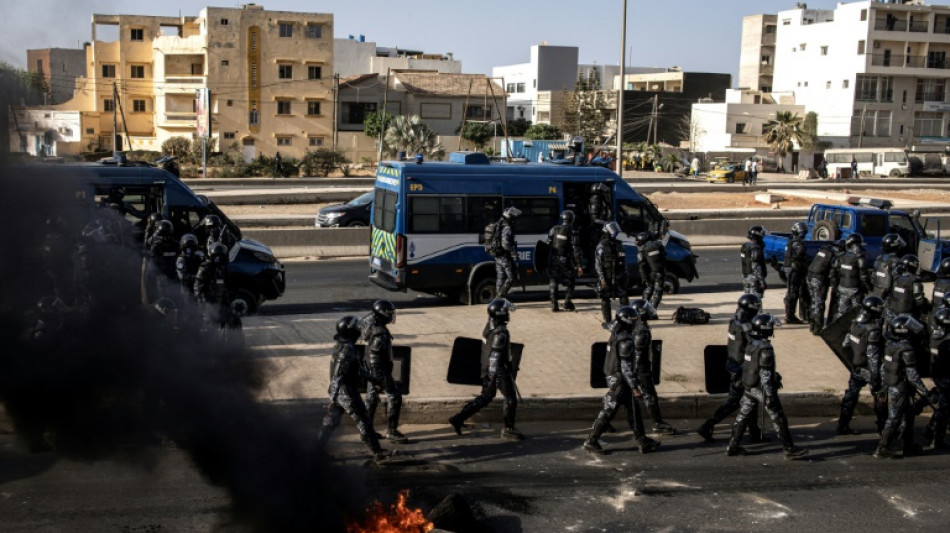
Senegal plunged into its worst political crisis in decades this weekend when President Sall announced he was postponing the February 25 vote just hours before campaigning was set to begin.
Lawmakers voted almost unanimously in favour of the delay on Monday night, but only after security forces stormed the chamber and removed some opposition members, who were unable to cast their votes.
Observers expressed concern that one of ECOWAS's most influential and stable members was tearing up the rulebook, sparking violent protests and raising concerns about knock-on effects in the region.
In a statement late on Tuesday, ECOWAS cautioned Senegal against jeopardising "peace and stability" during difficult times for West Africa -- but it was unclear what the bloc would do if President Sall defied its warning.
The wording was "very soft," said Rama Salla Dieng, a Senegalese lecturer in African Studies at Scotland's University of Edinburgh.
She said ECOWAS was prepared to "issue statements but when it's time to act and uphold the principles for which it was created, it doesn't do anything."
"Why aren't they excluding Senegal?" she asked. "There were planned elections with a date set."
"It does feel they are really powerless," she said.
One power ECOWAS has at its disposal is imposing trade sanctions, as it has against Mali and Niger following recent coups.
But the sanctions have hit citizens hard and military regimes remain in place.
Late last month Burkina Faso, Mali and Niger, already suspended from ECOWAS, announced their joint withdrawal, worsening a diplomatic headache for the bloc.
According to a foreign ministry document seen by AFP on Wednesday, Mali has reaffirmed its exit "without delay" saying it was not bound by the organisation's one-year timeframe for leaving.
Experts also say that while Senegal may be playing with fire, it is still a long way off the stage where ECOWAS is likely to impose financial penalties.
"Sanctions cannot come in at this point," Idayat Hassan of the US Center for Strategic and International Studies told AFP.
"What can come in is more mediation," she said, expressing confidence in the power of the bloc's backchannel diplomacy.
"ECOWAS is struggling, but it's nothing new," she said, arguing it was important to take a long-term view of the organisation, which was founded in 1975.
"West Africa used to be one of the most coup-prone regions in the world before democratic consolidation began to set in," she said.
While Hassan said there had been a relatively recent reversal, she argued ECOWAS had proven "adaptable, resilient, and able to deal with most of these challenges."
- Other options -
ECOWAS has intervened militarily in the past, including in The Gambia in 2017 when outgoing president Yahya Jammeh refused to step down after losing elections.
But University of Lagos politics lecturer Bamidele Olajide said it would "not be wise for anybody now to advance military action" in the region, expressing faith in ECOWAS diplomacy.
But he was among the experts AFP spoke to who said the bloc would have to adapt to resolve the recent slew of crises.
"It cannot be business as usual," said Dieng, who called for a public consultation on the bloc's role.
"We have to be very pragmatic," she said. "If people think that ECOWAS doesn't have a need to exist anymore... then do we still need ECOWAS?"
P.Mira--PC