-
 Rubio touts US power, calls on Europe to emerge from 'slumber'
-
New Zealand fly-half Mo'unga ruled out of Australia Tests
-
 Trump says 'we don't think' Russian plague is bio-weapon
-
Protests in major Turkish city after mayor defects to Erdogan party
-
 Five children among 26 killed in Ukraine after Russian strikes
-
Climate change strips island's title of largest penguin colony: study

-
 Man City should 'accept' punishment for rule breaches, says Lineker
-
Rubio says West must choose between national power or decline
-
 US woman who survived botched execution is awake and speaking
-
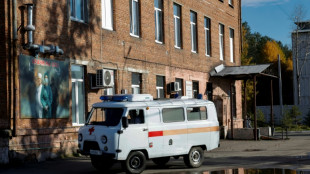
Russia's plague scare: What we know
-
 From 1800s to modern pharma: a Nobel-winning chemistry quest
-
French luxury giant to fund redevelopment of two Paris streets: city hall

-
 Southampton boss Eckert given suspended ban over 'Spygate'
-
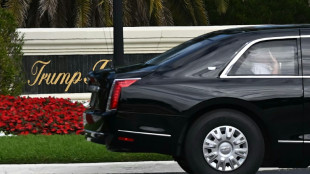
Trump wants to turn Florida golf course into presidential retreat
-
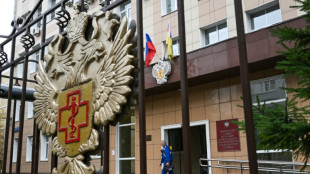 Russia warns of 'false' information as second plague case reported
-
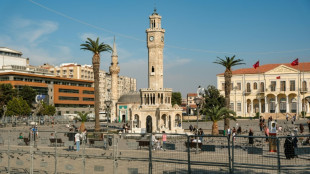
Mayor of Turkish opposition stronghold defects to Erdogan party
-
 IEA ready to release more oil reserves if necessary
-
Children among heavy casualties in Ukraine after Russian strikes
-
 HSBC 'consults' over UK unit job cuts amid AI adoption
-
Court orders German ex-spy chief kept in jail after spying, treason arrest
-
 UK court quashes five ex-traders' Libor rate rigging convictions
-
Guinea caps bottled water prices after sachets banned
-
 XM Receives “Global Customer Experience Leader Award 2026” at the TrustFinance Performance Awards
-
Spared, married, hanged: the last weeks of Iranian protester Alireza Sepahi
-
 Stocks slide as oil climbs on Mideast flareup
-
Nobel physics winner's pride at pioneering AI role

-
 Heavy casualties in Ukraine after Russian strikes
-
IMF preparing El Nino assistance, concerned about AI bubble burst: chief to AFP

-
 French wine harvest set to hit historic low
-
West must embrace 'national power' or face decline: Rubio
-
 Kyiv 'cannot agree' to EU membership limiting food exports: minister
-
Shell refining margins reach record highs as wars hit supply

-
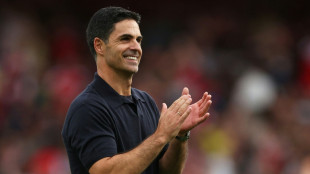 Arteta targets more Arsenal glory after signing new deal until 2030
-
Former Spain, Barca winger Pedro retires from football

-
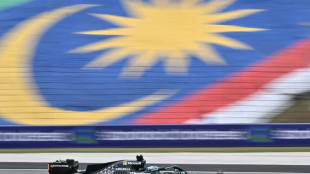 Russell hit with Singapore grid penalty for taking new power unit
-
Arteta signs new Arsenal deal until 2030
-
 Spotify expands audiobooks to more than 180 markets
-
Stocks decline as oil climbs on Mideast flareup

-
 French-Japanese duo wins chemistry Nobel for solving molecular 'mystery'
-
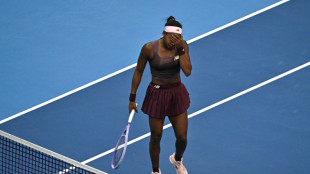
Gauff says online abuse was 'draining' after China Open exit
-
 England's Nations League surge helps heal World Cup wounds
-
As sector struggles, Porsche puts luxury ahead of volume

-
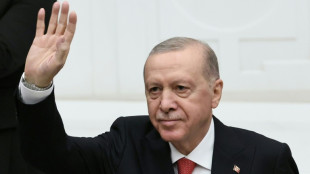 Mayor of opposition stronghold Izmir defects to Erdogan party
-
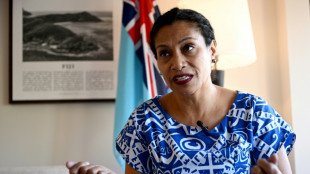
'It's personal': Fiji minister pushes better climate finance at pre-COP
-
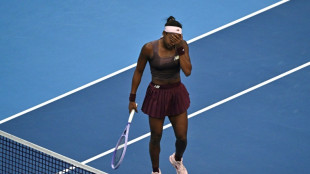 Mertens beats Gauff to set up Swiatek clash at China Open
-
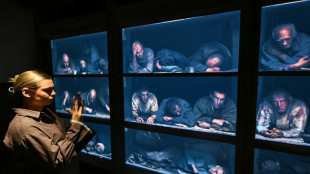
Russia glosses over dark Soviet past in reinvented museum
-
 Benin full of pride at role in Messi's last dance
-
UK tax body opened probe into Man City in 2018: FT

-
 France suspends stun grenade use at student protests ahead of PM speech
-
Yemen's Houthis claim new attacks on Saudi airports as conflict deepens
Pakistanis vote with Khan in jail, mobile networks shut down
Millions of Pakistanis voted Thursday in an election marred by rigging allegations, with authorities suspending mobile phone services throughout the day and the country's most popular politician in jail.
Pollsters predicted a low turnout from the country's 128 million eligible voters following a lacklustre campaign overshadowed by the jailing of former prime minister Imran Khan, and the hobbling of his Pakistan Tehreek-e-Insaf (PTI) party by the military-led establishment.
The Pakistan Muslim League-Nawaz (PML-N) is expected to win the most seats in Thursday's vote, with analysts saying its 74-year-old founder Nawaz Sharif has won the blessing of the generals.
Adding to concerns about the integrity of the vote, authorities announced just before polls opened that they had suspended mobile telephone services across the country "to maintain law and order" after two blasts on Wednesday that killed 28 people.
Nighat Dad, a lawyer who runs the not-for-profit Digital Rights Foundation, said the outage "is an attack on the democratic rights of Pakistanis".
"Shutting down mobile phone services is not a solution to national security concerns. If you shut down access to information you create more chaos".
Voters in Pakistan rely on a text messaging service to confirm the polling station where they are registered.
Forty-year-old Abdul Jabbar said the internet disruption stopped him and his wife from using the service.
"Other PTI supporters helped us to trace it in the end," he told AFP.
- 'Fear for my vote' -
Polling stations opened at 8:00 am (0300 GMT) and were due to close at 5:00 pm. They were guarded by armed security forces.
"My only fear is whether my vote will be counted for the same party I cast it for. At the same time, for the poor it does not matter who is ruling -- we need a government that can control inflation," said Syed Tassawar, a 39-year-old construction worker
First-time voter Haleema Shafiq, a 22-year-old psychology student, said she believed in the importance of voting.
"I believe in democracy. I want a government that can make Pakistan safer for girls," she told AFP in Islamabad.
In the central city of Multan, Ayesha Bibi said the next government must provide more rural schools for women.
"We came here by foot and then on a tractor trailer. It was a very difficult and hard journey," said the housewife.
- 'Security measures' -
More than 650,000 army, paramilitary and police personnel were deployed to provide security for an election already marred by violence.
On Wednesday, at least 28 people were killed and more than 30 wounded by two bomb blasts outside the offices of candidates in southwestern Pakistan, in attacks claimed hours later by the Islamic State group.
Justifying the mobile phone shutdown, an interior ministry spokesman said "security measures are essential to maintain law and order situation and to deal with potential threats".
The foreign ministry said land borders with neighbours Iran and Afghanistan would also be closed to all traffic Thursday as a security measure.
The election figures are staggering in the nuclear-armed nation of 240 million people -- the world's fifth-most populous.
Nearly 18,000 candidates are standing for seats in the national and four provincial assemblies, with 266 seats directly contested in the former -- an additional 70 reserved for women and minorities -- and 749 places in the regional parliaments.
- Tables turned -
Thursday's election has a similar air to the 2018 poll, but with the tables turned.
Then, it was Sharif who was disqualified from running because of a string of convictions for graft, while Khan swept to power with the backing of the military, as well as genuine support.
As he cast his vote at a school in Lahore Thursday, Sharif denied that he had made any deal with the military to rule.
"Actually I have never had any problems with the military," he said.
The history of Pakistan elections is chequered with allegations of rigging but also favouritism, said Bilal Gilani, executive director of polling group Gallup Pakistan.
"It's a managed democracy that the military runs," he said.
Unlike the last poll, however, the opposition party has had its name removed from ballots, forcing PTI-selected candidates to run as independents.
Khan, a former international cricketer who led Pakistan to victory in the World Cup in 1992, was last week sentenced to lengthy jail terms for treason, graft, and an illegal marriage.
A PTI official told AFP that Khan had been allowed a postal ballot from Adiala Jail.
Analysts say the character assassination shows how worried the military is that PTI-selected candidates could still prove a decisive factor in Thursday's vote.
If Sharif does not win a ruling majority, he will most likely still take power via a coalition with one or more junior partners -- including the Pakistan Peoples Party (PPP), another family-run dynasty now led by Bilawal Bhutto Zardari.
Whoever wins takes over a deeply divided country, observers say, with the economy in tatters.
Inflation is galloping at nearly 30 percent, the rupee has been in free fall for three years and a balance of payments deficit has frozen imports, severely hampering industrial growth.
A.Magalhes--PC