EU media freedom law approved by lawmakers / Photo: NICOLAS ASFOURI - AFP/File

 US, Ukrainians, Europeans to discuss 'new ideas' to end war
 Unproven 'cures' pushed online amid plague concerns
 Nigeria looks to ease fuel prices as election looms
 Prosecutors in Maradona death trial seek sentences up to 12 years
 Swiss captain Xhaka gets suspended fine for fake Covid cert

 Ex-prince Andrew raid warrants ruled 'unlawful' but UK police maintain probe
 Two Latvians arrested inside UK military base: police
 Eckert 'forever grateful' for Southampton support over spy scandal
 Venezuela's Maduro, wife hit with new US torture charges

 Argentina friendlies no fairy tale for African footballers
 US suspending Microsoft from visa program: Vance

 Man City must 'stick together' during crisis, says Haaland
 CAS opens hearing into Senegal AFCON title appeal
 UK police agree searches for ex-prince Andrew's homes 'unlawful': judge
 After botched US execution, Christa Pike walking, mentally 'foggy': lawyer
 'Stunned' Madrid mourns pensioner who sparked housing protests
 High school students turn out for new protests across France
 Bid by Italy's Intesa bank to take over MPS gets boost

 Stablecoins Are Quietly Becoming Business Infrastructure, NOWPayments Data Shows
 Oil surges, stocks sink as US reportedly eyes new Iran strikes
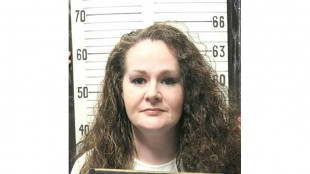 Woman in botched US execution walking, mentally 'foggy': lawyer
 Farhan hopes Pakistan's new combination takes off in Sri Lanka T20Is

 Teenager Andreeva seals China Open semi-final with Bartunkova
 Britain's Burnham says open to Germany joining warplane project
 Kovac's tough love has Dortmund dreaming of title charge

The EU is set to better protect journalists from political pressure and surveillance under an unprecedented media freedom law approved by the European Parliament on Wednesday.
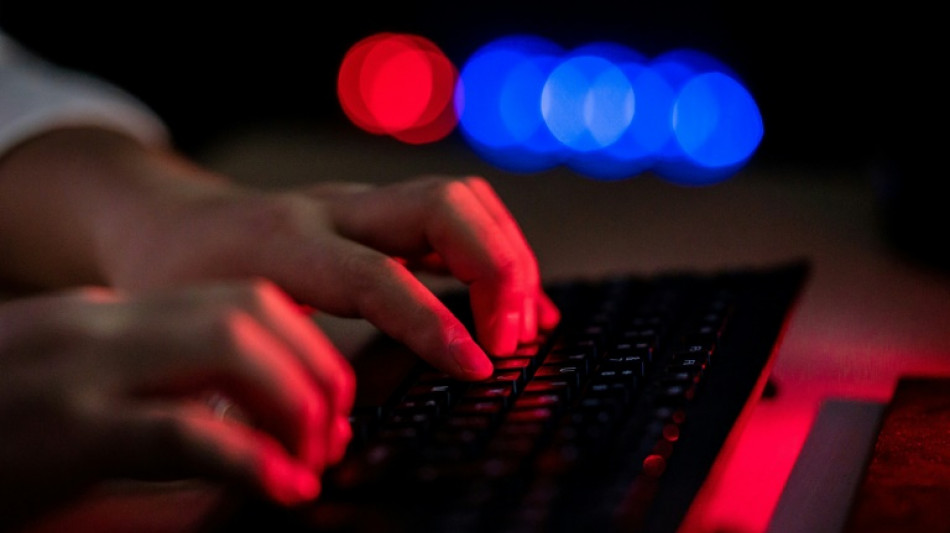
The law includes protections for the secrecy of journalists's sources and a ban on using spyware against journalists.
The legislation, backed in a vote by 464 EU lawmakers, with 92 against and 65 abstaining, also enshrines editorial independence and seeks to improve transparency on media ownership.
The law still needs to be adopted by the EU's 27 member countries before it can come into force.
The European Union commissioner for values and transparency, Vera Jourova, hailed the "historic vote", saying on X that "independent media are essential to democracies" and "it's the duty of democracies to protect them".
Reports Without Borders (RSF), a media watchdog advocating journalist safety and independence, also welcomed the vote.
"This law's adoption marks a major step forward for the right to information within the European Union," said RSF's Brussels office chief Julie Majerczak.
She called for EU member countries to "ambitiously" implement the law.
The draft text of the European Media Freedom Act was introduced by the European Commission in 2022 in reaction to deteriorating media pluralism and independence in EU countries such as Hungary and Poland, and also as spyware like Pegasus and Predator was being used to target journalists.
Jourova said in a Tuesday debate on the law in the European Parliament in Strasbourg ahead of the vote that its provisions address "clear problems" facing media in Europe.
Those included "interference by governments in editorial decisions, pressure on media of public service, media surveillance of journalists, lack of transparency of media ownership and of state advertising, or lack of coordination among media regulators".
The lead lawmaker shepherding the law through parliament, Sabine Verheyen, highlighted not only "threats to media freedom in Hungary" but also the October 16, 2017 murder of a Maltese investigative journalist, Daphne Caruana Galizia.
Malta's prime minister at the time, Joseph Muscat, was forced to resign after mass protests over perceived efforts to protect friends and allies in the ensuing investigation.
Three hitmen convicted of the car bomb killing -- Vincent Muscat (no relation to the former prime minister) and brothers George and Alfred Degiorgio -- were sentenced in 2021 and 2022 to, respectively 15 years and 40 years in prison.
The European Parliament today has a room named in Caruana Galizia's honour and gives an annual journalism award in her name.
- Limited exceptions -
During negotiations on the new law, France insisted on "national security" carve-outs, sparking concerns among journalists and media-freedom organisations.
Exceptions are included in the final law, but not for national security reasons, and only in limited circumstances.
For instance, spyware on devices used by journalists can only be deployed if a number of serious violations are identified, and then only after sign-off from a judicial or independent authority.
EU countries will also be required to ensure sustainable financing of public media organisations, and there are safeguards for journalistic content published online.
The legislation contains provisions for setting up an independent EU committee composed of representatives from national regulatory authorities to examine cases where overconcentration of media ownership might infringe the rules.
The panel would issue recommendations -- nonbinding ones -- in regards to media pluralism.
A.Motta--PC