
-
 'Tough to stay here': Nepal flood survivors wait for homes
-
LeBron shines in pre-season debut for re-tooled 76ers

-
 Malaysia closes schools in capital, parts of country due to haze
-
Okinawa resolution calls for revision of US forces pact after murder
-
 Buccaneers stun Cowboys for first win of NFL season
-
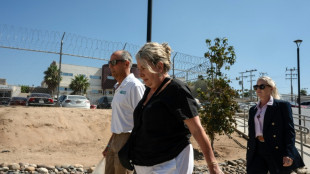
Verdict expected Friday in Mexico trial over murders of Australia, US surfers
-
 Activists hope trial will stop 'forever chemicals' at Italy plant
-
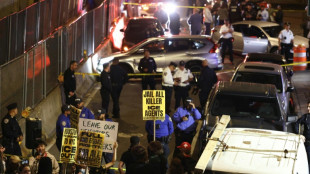
New York mayor says asking Trump to withdraw ICE after shooting
-
 Guardians rally for 9-5 victory over White Sox to stay alive in MLB playoffs
-
Walking through flames: orangutan rescued in Indonesia fires
-
 Asian stocks mixed amid AI concerns, oil dips after surge
-
James shines in pre-season debut for re-tooled 76ers

-
 Wallabies expect fast-paced All Blacks in Bledisloe opener
-
Fuel, fertilizer costs strain US farmers' support for Republicans in midterms
-
 Tech scammer Elizabeth Holmes focus of documentary by absurdist Nathan Fielder
-
Trump's 'super intelligence' rebrand to sell AI faces uphill battle
-
 Climate hopes shift from politics to the courts
-
Fiji demands US provide evidence Chinese official paid bribes for Beijing

-
 Will Nobel Peace Prize pick make waves at the White House?
-
More than just football: How scandal-tainted City led Manchester's rebirth

-
 Trump rules out new Iran attack before US midterm elections
-
Record Eden Park streak creates tension for All Blacks
-
 Far-right influencer shows Israel's coarse political turn
-
EU trade chief seeks 'tangible outcomes' in China talks
-
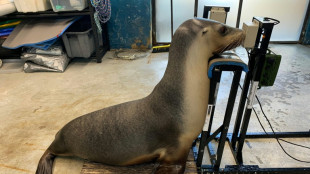 Seals and sea lions get hearing tested at Australia zoo
-
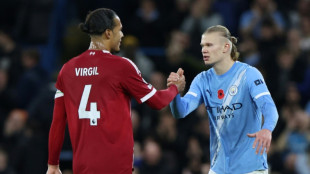
Man City face Anfield cauldron after guilty Premier League verdicts
-
 Mourinho's Real Madrid playing catch-up in Clasico countdown
-
CNN, MS Now, Politico urge judge to extend White House access
-
 Joy as USS Lincoln back home after troubled Gulf deployment
-
Trump administration to launch new vaccine research center
-
 OpenAI says Iran, Russia influence ops busted
-
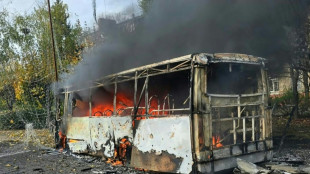
Russian strikes kill 30 in Ukraine frontline city, talks set in US
-
 Anthropic bans 'cruel' behavior against its Claude AI
-
US military to livestream firing squad execution of Fort Hood shooter

-
 Anne Carson's Nobel literature prize 'a proud moment for Canada': PM
-
Aces star Wilson wins record-extending fifth WNBA MVP

-
 Montagliani to seek CONCACAF re-election in boost for Infantino: reports
-
Undefeated 49ers seek Seahawks revenge
-
 Oil surges, stocks sink on jitters over US plans in Iran war
-
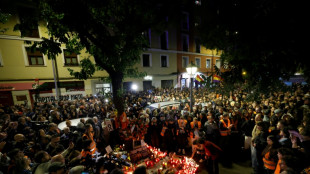
Madrid mourns evicted retiree, 'icon' of Spain housing protests
-
 John Cena and Jessica Biel hit the gas in 'Matchbox: The Movie'
-
OpenAI revenue gap report rattles AI stocks

-
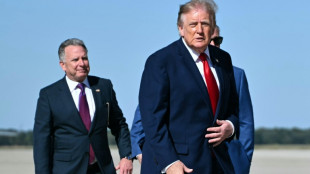 US, Ukrainians, Europeans to discuss 'new ideas' to end war
-
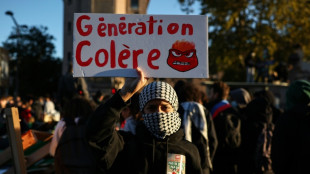
France pledges more teachers after school students vow no let-up
-
 Unproven 'cures' pushed online amid plague concerns
-
Bordeaux confirmed in sixth tier of French football

-
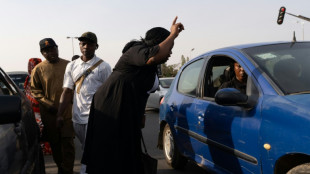 Nigeria looks to ease fuel prices as election looms
-
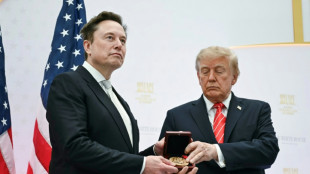
Trump gives 'national treasure' Musk top US medal after rift
-
 Prosecutors in Maradona death trial seek sentences up to 12 years
-
MLB proposes shortening season, reforming playoffs

Nations fail to reach pandemic accord: talks to resume April
Two years of talks aimed at striking a landmark global agreement on handling future pandemics failed to seal a deal in time on Thursday, and will restart next month for one final push.
Scarred by Covid-19, which shredded economies, overturned societies, crippled health systems and killed millions, countries are trying to craft an international accord on pandemic prevention, preparedness and response.
But while they largely agree on the principles of what should be done when the next pandemic strikes, nations are still at odds over how far they are prepared to go to turn those notions into binding commitments.
The ninth and supposedly final two-week round of talks therefore ended Thursday without finding a breakthrough.
"You are not far away from concluding a deal," World Health Organization chief Tedros Adhanom Ghebreyesus told countries as the talks petered out at the WHO headquarters in Geneva.
"I always keep hope alive and I am hopeful that you will.
"The treaty is a life-saving instrument, not merely a piece of paper," he added.
"It holds the power to transform our collective response to future pandemics, to protect lives and to safeguard the wellbeing of communities."
He urged nations to work towards getting a final agreement by the end of May.
- Call for courage -
Mindful that a pandemic could hit at any time, the plan was to finalise an agreement at these talks, so it could be approved by the WHO's 194 member states at their annual assembly, which starts on May 27.
Instead, fresh talks will run from April 29 to May 10.
The Intergovernmental Negotiating Body bureau conducting the talks will draw up a new draft text no later than April 18 and work to finalise talks by May 5.
The current draft has ballooned from 30 pages to nearly 100, with suggested amendments. Some participants want the INB to cut it down to 20 pages.
"It's just too long," said one Western diplomat.
"It's too detailed and too broad. Agreeing on 30 pages with such a level of uncertainty in such a short time is impossible."
Campaign groups have warned that the pressure to reach an agreement could lead to a watered-down text which does little to make the world safer than it was before the Covid-19 pandemic.
K. M. Gopakumar, senior researcher with the Third World Network NGO, told AFP the new text would likely be a lighter document, which could be added to at a later stage.
"They have climbed down from a full-fledged treaty to a much more concise document," he said at the WHO HQ.
"It's a face-saving exercise as of now, because they are so desperate to finish everything by May."
- Points of dispute -
The main issues of contention include shared access to emerging pathogens, better prevention and monitoring of disease outbreaks, reliable financing and transferring pandemic-fighting technology to poorer countries.
Ultimately, the talks have come to the crunch over the balance between richer and poorer nations.
Wealthier states want immediate information-sharing on new and emerging pathogens with pandemic potential, as well as strict -- and expensive -- preparedness obligations for all countries.
In return, developing countries want water-tight language on technology transfer and equitable access to vaccines, tests and treatments.
F.Moura--PC