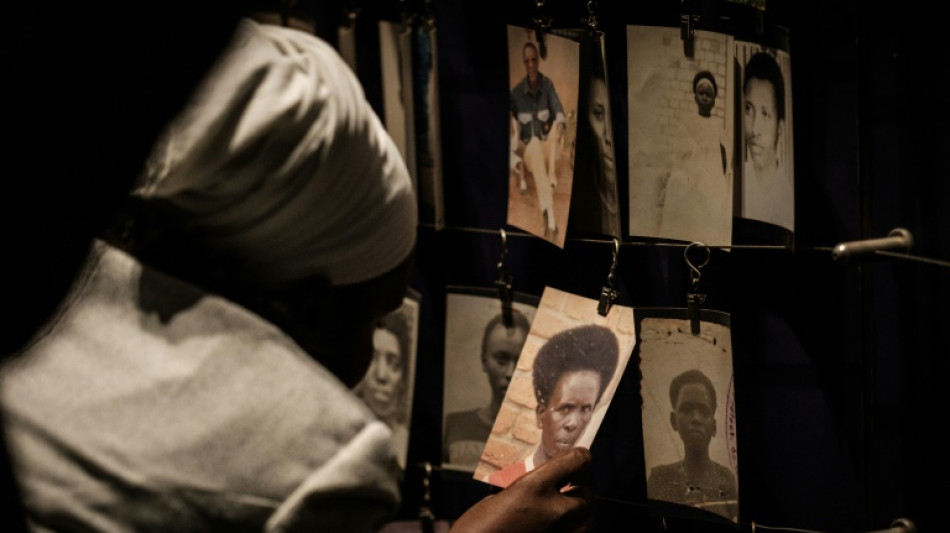
Rwanda marks 30 years since genocide / Photo: Yasuyoshi CHIBA - AFP/File

 Ukraine takes Russia fight to 'scorching sands' of Sahel
 Chinese AI tool pulled to prevent 'misuse' after South Korea hacks

 Asian stocks mostly up as traders weigh AI, oil dips after surge

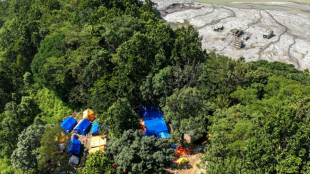
 Walking through flames: orangutans rescued in Indonesia fires
 LeBron shines in pre-season debut for re-tooled 76ers
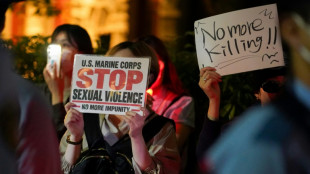 Okinawa resolution calls for revision of US forces pact after murder
 Verdict expected Friday in Mexico trial over murders of Australia, US surfers

 New York mayor says asking Trump to withdraw ICE after shooting

 Walking through flames: orangutan rescued in Indonesia fires

 James shines in pre-season debut for re-tooled 76ers
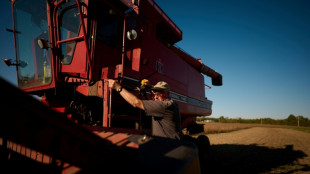 Fuel, fertilizer costs strain US farmers' support for Republicans in midterms

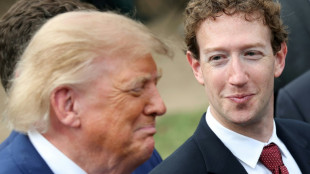 Trump's 'super intelligence' rebrand to sell AI faces uphill battle

 Fiji demands US provide evidence Chinese official paid bribes for Beijing
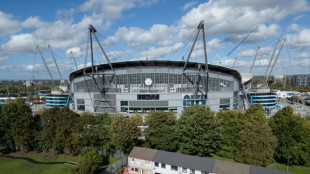 More than just football: How scandal-tainted City led Manchester's rebirth

 Record Eden Park streak creates tension for All Blacks
 EU trade chief seeks 'tangible outcomes' in China talks
 Man City face Anfield cauldron after guilty Premier League verdicts

 CNN, MS Now, Politico urge judge to extend White House access

 Trump administration to launch new vaccine research center

 Russian strikes kill 30 in Ukraine frontline city, talks set in US

 US military to livestream firing squad execution of Fort Hood shooter

 Aces star Wilson wins record-extending fifth WNBA MVP
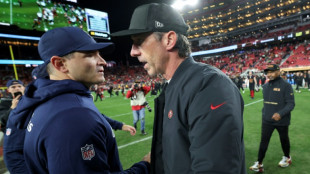 Undefeated 49ers seek Seahawks revenge

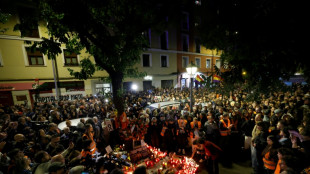 Madrid mourns evicted retiree, 'icon' of Spain housing protests

 OpenAI revenue gap report rattles AI stocks

Rwanda on Sunday begins sombre commemorations for the 30th anniversary of the 1994 genocide, a mass slaughter orchestrated by Hutu extremists against the Tutsi minority over 100 bloody days.
More than 800,000 men, women and children, mainly ethnic Tutsis but also moderate Hutus, were killed in the murderous onslaught that saw families and friends turn against each other in one of the darkest episodes of the late 20th century.
Three decades on, the tiny landlocked nation has rebuilt under the iron-fisted rule of President Paul Kagame, but the traumatic legacy of the genocide lingers, reverberating across the region.
In keeping with tradition, April 7 -- the day Hutu extremists and militias unleashed their horrific killing spree in 1994 -- will be marked by Kagame lighting a remembrance flame at the Kigali Genocide Memorial, where more than 250,000 victims are believed to be buried.
Kagame, whose Rwandan Patriotic Front (RPF) rebel army helped to stop the massacres, will deliver a speech and place wreaths on the mass graves, with some foreign dignitaries in attendance for what has been dubbed "Kwibuka (Remembrance) 30".
- 'Never again' -
Sunday's events mark the start of a week of national mourning, with Rwanda effectively coming to a standstill and national flags flown at half-mast.
During those days, music will not be allowed in public places or on the radio, while sports events and movies are banned from TV broadcasts, unless connected to the commemorations.
The United Nations and the African Union among others will also hold remembrance ceremonies.
"This year, we remind ourselves of genocide's rancid root: hate," UN Secretary-General Antonio Guterres said in a message marking the anniversary.
"To those who would seek to divide us, we must deliver a clear, unequivocal and urgent message: never again."
The international community was heavily criticised for failing to protect civilians, with the UN sharply reducing its peacekeeping force shortly after the outbreak of the violence.
- Shot, beaten or hacked to death -
The assassination of Hutu President Juvenal Habyarimana on the night of April 6 when his plane was shot down over Kigali triggered the rampage by Hutu extremists and the "Interahamwe" militia.
Their victims were shot, beaten or hacked to death in killings fuelled by vicious anti-Tutsi propaganda broadcast on TV and radio. An estimated 100,000 to 250,000 women were raped, according to UN figures.
Hundreds of thousands of people, mainly ethnic Hutu fearing reprisal attacks, fled in the aftermath of the genocide to neighbouring countries including the Democratic Republic of Congo (DRC).
Mass graves are still being found in Rwanda to this day.
In 2002, Rwanda set up community tribunals where victims could hear "confessions" from those who had persecuted them.
A staggering 1.2 million cases were heard over a 10-year period, although rights watchdogs said the system also resulted in miscarriages of justice, with some complainants using it to settle scores.
Today, Rwandan ID cards make no mention of whether a person is Hutu or Tutsi.
Secondary school students learn about the genocide as part of a tightly controlled curriculum.
- 'Scars of the past' -
Around two-thirds of Rwanda's population was born after the genocide. Many are eager to help rewrite their nation's painful history and craft a new narrative.
"Ever since I was little, Rwanda's story has been one of rebuilding," project manager Roxanne Mudenge, 27, told AFP.
"The scars of the past are still there, but there's a different energy now, a sense of possibility."
According to the Rwandan authorities, hundreds of genocide suspects remain at large, including in neighbouring nations such as the DRC and Uganda.
So far, only 28 have been extradited to Rwanda globally.
France, one of the top destinations for Rwandans fleeing justice at home, has tried and convicted half a dozen people over their involvement in the killings.
At the time, the French government had been a long-standing backer of Habyarimana's regime, leading to decades of tensions between the two countries.
In 2021 President Emmanuel Macron acknowledged France's role in the genocide and its refusal to heed warnings of looming massacres, prompting Kagame to applaud the French leader for taking "a big step".
Although Macron stopped short of an apology and denied complicity in the bloodshed, Kagame said the rapprochement could pave the way for "a better" relationship between the two nations.
Ties between Kigali and Kinshasa have been characterised by even deeper acrimony, with the RPF accused of killing tens of thousands of civilians during its pursuit of genocide perpetrators in the Congo.
Kagame's government has been accused of arming Tutsi-led M23 rebels in eastern DRC. Kigali has denied the allegations but says Tutsis in its larger neighbour are victims of persecution.
V.Dantas--PC