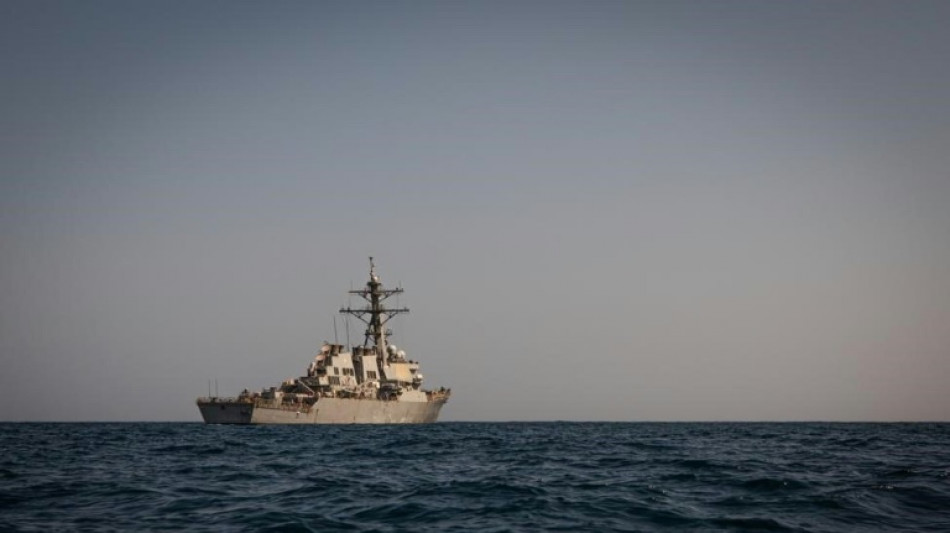
How the US helped counter Iran's attack on Israel / Photo: Aaron Lau - US Department of Defense/AFP/File

 US leads fresh Ukraine peace push with Miami talks

 Verstappen continues resurgence with pole for Singapore sprint

 Cuban ration book, symbol of the revolution, gathers dust

 Stocks advance, oil retreats as Trump rules out pre-vote Iran attack

 Man City case causing 'uncertainty' for whole Premier League, says Iraola

 Talks with Iran can only succeed without threats, president says

 Home hope Zheng sets up Mertens clash in China Open semis

 Lombardia promises gripping end to season in Pogacar absence
 Barca skipper Raphinha out against Getafe and Galatasaray
 MEXC and Payward Highlight Collaboration as Crypto and TradFi Converge at TOKEN2049

 EU states agree beefed-up European financial markets watchdog

 Eritrea, Ethiopia trade barbs as Tigray rebels retreat

 Kompany 'proud' of Man City success despite guilty verdict

 Man City will win appeal over financial charges, says Maresca
 Fernandez logs record lap at Indonesia MotoGP practice

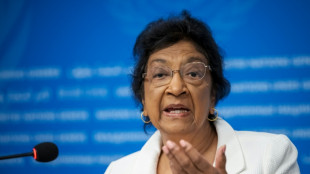 Navi Pillay: S.Africa's global rights activist and Nobel winner

 Ufunded Launches “Spotlight” Series, Documenting the Minds Shaping Modern Trading
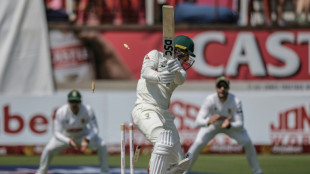
 Russell goes fastest in practice for smoggy Singapore GP
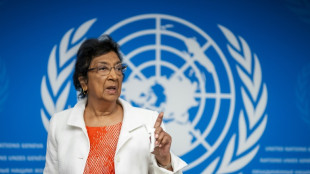
 For exiled Russian director Zvyagintsev, triumph without belonging

 Home hope Zheng storms into China Open semi-finals

 Zverev churns out win in Shanghai Masters opener
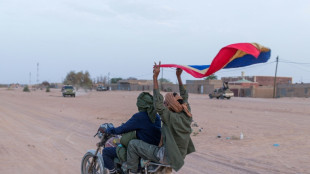
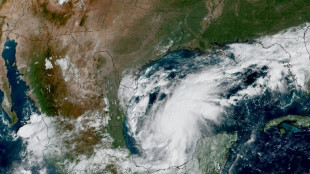 Hurricane Isaias strengthens en route to US Gulf Coast

 US activists deploy poll volunteers over Trump intimidation fears

 Saint Laurent designer Vaccarello leaves after glittering decade
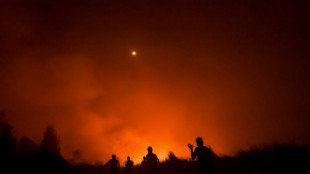
 'Tough to stay here': Nepal flood survivors wait for homes

Iran's unprecedented attack on Israel with hundreds of drones and missiles marked the culmination of a tense two weeks in which Washington engaged in whirlwind efforts to prepare for the expected violence.
American aircraft and planes downed dozens of drones and missiles when Iran launched the attack on Saturday, after Tehran repeatedly threatened to hit back in response to an Israeli strike on its consulate in Damascus that killed two top officers at the beginning of the month.
Senior US officials detailed the role Washington played -- both militarily and diplomatically -- in countering the attack:
- Iranian attack -
Iran launched a barrage of more than 100 medium-range ballistic missiles, more than 30 land-attack cruise missiles and more than 150 attack drones at Israel, a senior US military official said.
Two American warships -- the USS Arleigh Burke and the USS Carney -- destroyed between four and six ballistic missiles, while US aircraft shot down more than 70 Iranian drones, the military official said.
A Patriot missile battery also shot down a ballistic missile that was headed toward Israel in the area of the northern Iraq city of Arbil.
President Joe Biden spent Saturday evening receiving real-time updates in the Situation Room at the White House as the attack unfolded.
"At one point, we knew there were over 100 ballistic missiles in the sky" and "the results of the defenses of course were unclear until all was said and done," a senior administration official said, describing the tense atmosphere.
- The catalyst -
Israel carried out a strike on Iran's consulate in Damascus on April 1, killing seven Revolutionary Guards including two generals and prompting warnings from Tehran that it would respond.
Top US officials were pulled aside and informed of details about the strike during a visit by the Israeli ambassador and defense attache at the White House, the senior administration official said.
"We were not a part of that strike" but "we knew that that would have repercussions," the official said.
A few days later, Biden instructed the government "to defend Israel to the maximum extent possible" and to ensure that all necessary authorities and assets were in place to do so -- a directive that sent officials into action.
- US preparations -
Ahead of the attack, US officials including Secretary of Defense Lloyd Austin and Secretary of State Antony Blinken were in "constant, ongoing, continuous contact" with the Israelis, as well as with other countries in the Middle East.
General Erik Kurilla, the head of the US military command responsible for the region, was dispatched to the region and provided real-time updates as well as coordinating with the Israelis and other partners.
The United States was in touch with Iran as well, sending "a series of direct communications through the Swiss channel," the senior administration official said.
Washington also deployed additional military assets to the region "to bolster regional deterrence efforts and increase force protection for US forces," a US defense official said last week.
- What comes next? -
The US goal since the start of the latest round of conflict between Israel and Hamas six months ago has been to prevent it from spiraling into a broader regional conflict, and Washington is keen to lower the temperature in the region.
"We would not be a part of any response they do," the senior administration official said of possible Israeli action after the attack. "We would not envision ourselves participating in such an act."
Israel has meanwhile "made clear to us they're not looking for a significant escalation with Iran," but "a big question is not only whether, but what Israel might choose to do," the official said.
X.M.Francisco--PC